This blog has been written by The Flood Hub People.
When flooding occurs, picking up the phone or going online to report it may be the last thing on your mind. However, reporting every flood event to the correct Risk Management Authority (RMA) is vital. Accurate reporting ensures a prompt response, helps plan future flood resilience measures, and protects communities.
Flood events often go unreported for many reasons:
Accurate flood reports are essential for both immediate response and long-term planning. When flooding is reported promptly, agencies can deploy staff to close roads, unblock gullies, coordinate recovery efforts and document affected areas. This ensures a faster and more effective response, helping to protect people, property and infrastructure.
Reporting flooding also supports financial relief and resilience measures. Local authorities can use flood records to provide council tax relief, business rates rebates, or grant schemes, such as flood resilience grants. Accurate reporting ensures that those affected can access the support they need, especially following severe events.
Early and precise reports are also critical for Lead Local Flood Authorities (LLFAs) when producing Section 19 investigations. These reports help authorities understand the flooding mechanisms at play and guide practical and financially feasible solutions. Without detailed input from residents, LLFAs may struggle to identify patterns or determine the severity of events.
Long-term planning and infrastructure improvements rely heavily on accurate flood reporting. Flood schemes and drainage projects can cost millions to design and build, and the level of economic damage recorded often influences government funding decisions. Similarly, reporting blocked drains and localised flooding helps authorities prioritise maintenance, target hotspot areas and justify future investments in drainage and flood defences.
Each individual report contributes to building a detailed local history of flooding. This allows risk management authorities to monitor trends, identify critical areas, and improve overall flood resilience for communities. Every report really does make a difference.
Reporting floods isn’t just about immediate assistance, it also has a long-term impact on flood resilience planning. For communities affected by river or coastal flooding, designing and constructing flood schemes can cost millions of pounds. The level of government funding often correlates directly to the economic damage recorded from flood events. The more accurate the data, the stronger the case for funding new defences or upgrading existing schemes.
In areas prone to sewer backflow into homes or gardens, the number of reports received can influence the water company’s response. When many properties are affected, it becomes easier to justify improvements or mitigation works.
At a more local level, ageing drainage infrastructure and funding constraints place pressure on highways departments. Reporting blocked drains and surface water flooding helps prioritise hotspots, trigger maintenance and even influence future investment. Where watercourses run beneath highways, reports can help authorities plan long-term alleviation works to reduce the risk of future flooding.
Flood risk is not static; it evolves over time. Building a detailed local history of flooding helps Lead Local Flood Authorities and other RMAs monitor trends, spot emerging hotspots, and allocate resources effectively. Each report contributes to a stronger, safer and more flood-resilient community.
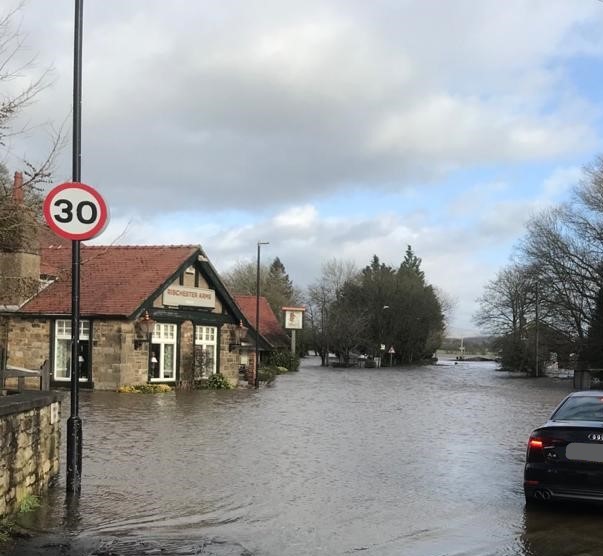
The correct authority depends on the source of the flood
This is either your unitary authority or county council and they are responsible for managing flood risk from ordinary watercourses, groundwater and surface water, including highway drainage. The maintenance of ordinary watercourses located on, beneath, or adjacent to private land, such as streams, ditches, dykes and most brooks, is actually the responsibility of the respective landowner under riparian landowner responsibilities. However, if you are experiencing flooding from a watercourse on privately owned land, or feel that a landowner has contributed to increased flood risk, you can report this to your LLFA. They have investigatory powers and can take action where required.
Flooding from these sources should be reported directly to the EA. This ensures timely intervention, helps inform flood risk management strategies, and supports flood warning systems. If you are unsure whether a watercourse is a main river, you can check online and find out here.
EA incident hotline (24 hour service): 0800 80 70 60
Your water company is responsible for managing flood risk from the sewer network. Their surface water, foul or combined sewer infrastructure can become overwhelmed and surcharge through manhole covers, highway gullies and even back flow into properties. If you experience sewer flooding, either within your garden or internal to your home or business, report it to your water company as soon as possible, they may be able to provide a preliminary clean and additional support.
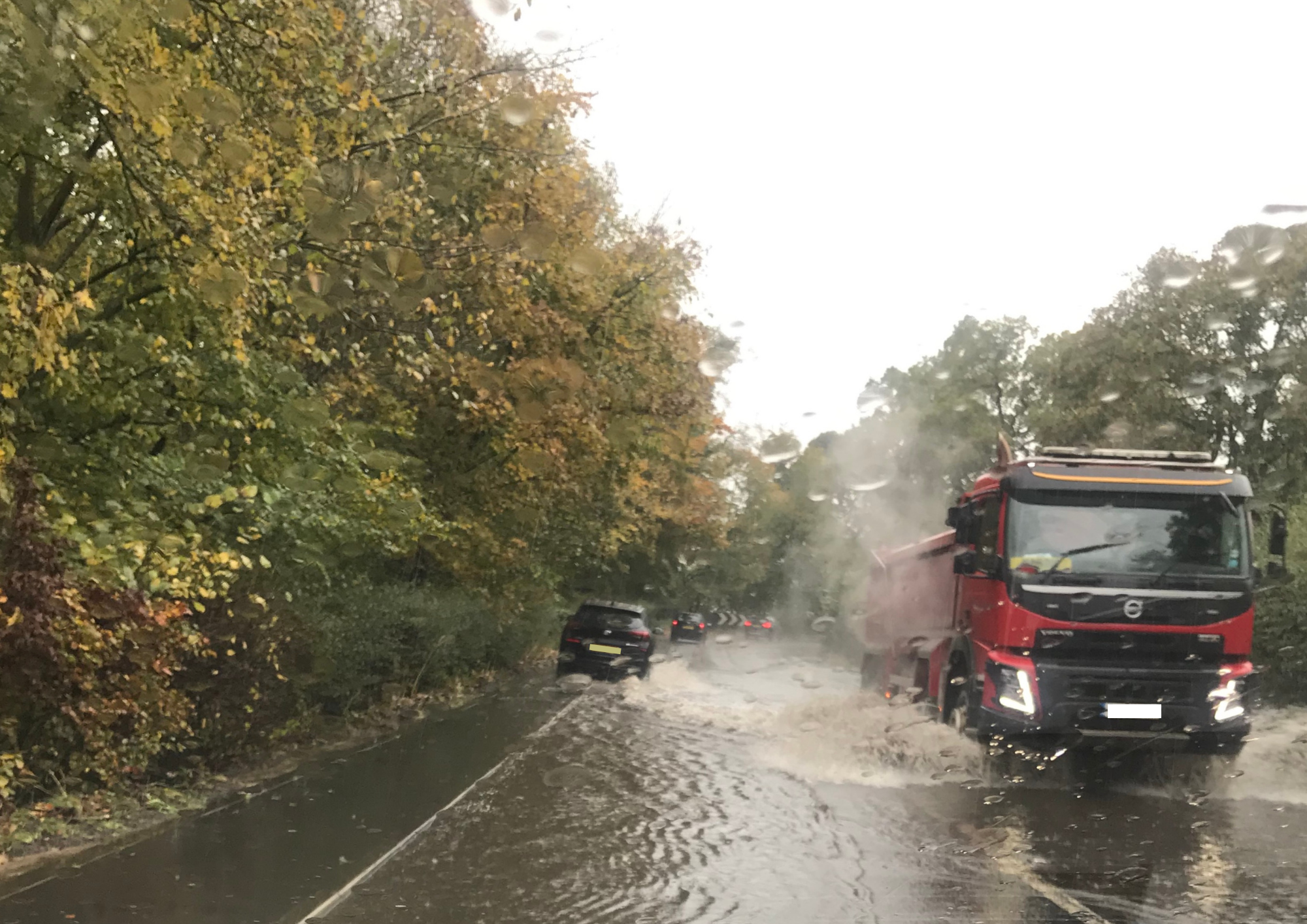
The local highways department manage flood risk from surface water on the roads. Surface water flooding occurs when surface runoff from rainfall events exceeds the capacity of gullies and the highways drainage system to remove it. Incidents of surface water flooding should always be reported for safety reasons, as in some cases manhole covers can lift and roads may need to be closed. Reporting incidents can also help to ensure that any blocked gullies or collapsed drains can be dealt with accordingly. If you are unsure as to the agency responsible for your local highway infrastructure, you can check online and find out here.
So if your area is ever unfortunate enough to experience a flood, please encourage each and every person affected to report their flooded property, street, drain etc. to the correct RMA, and via the correct channel.
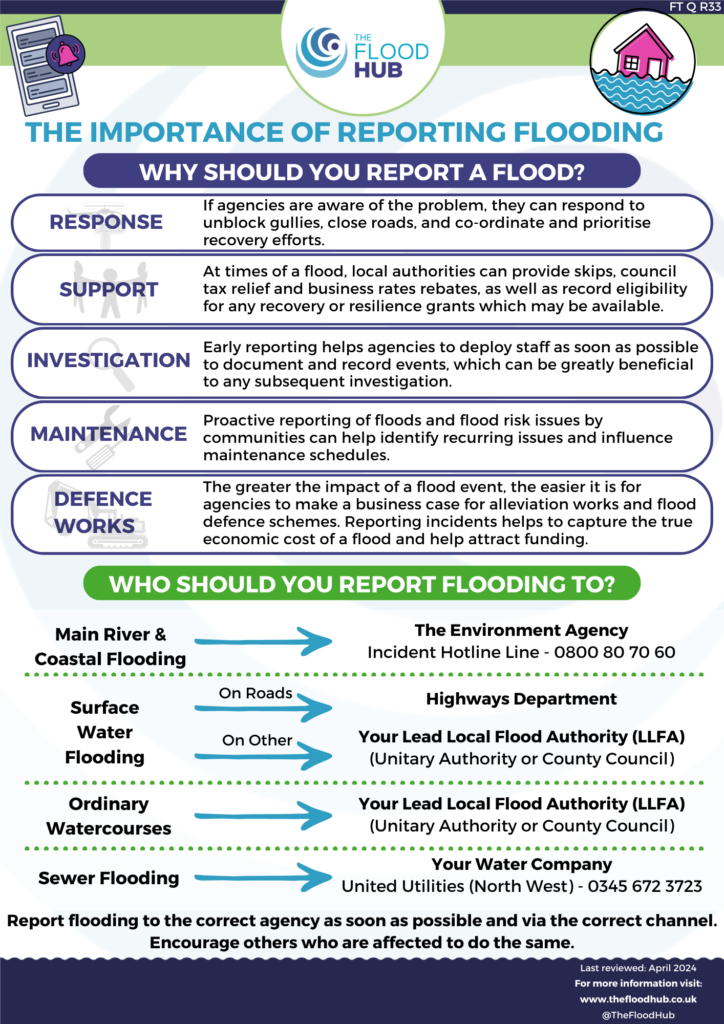
Click here to download our resource below from The Flood Hub.
Sources: GOV.UK, Water UK