A team of volunteers have been helping to plant thousands of sphagnum moss on the West Pennine moors, in a bid to help restore vital peatlands.
Sphagnum moss can hold 20 times its weight in water and helps create peat bogs, capturing carbon in the ground and helping to fight climate change.
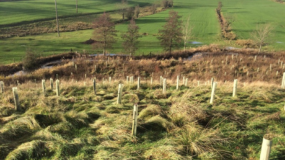
The Lancashire Peat Partnership, hosted by the Lancashire Wildlife Trust, has been working on a 28-hectare area of blanket bog on the edge of Hoddlesden Moor, which was a former peat extraction site.
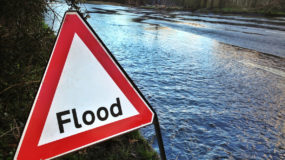
The moss is a vital part of the peat bog restoration, which also helps reduce flooding and moorland fires.
Since August, around a hundred volunteers from across Lancashire have been helping to plant the moss on the site at Aushaw Moss near Darwen.
What is Sphagnum Moss and why is it so important for the climate?
Sphagnum Moss is a small but mighty plant. Not the type of moss found in gardens, Sphagnum moss is only found in wet acidic areas such as peatlands, in fact it creates the peat itself.
As peat forms from only partially decomposed plant matter it means that the carbon that has been absorbed by the plants through photosynthesis becomes trapped in the peat, and locked away for millennia.
Peatlands are our biggest store of carbon. Whilst they only cover about 4% of the world’s surface, they store a third of all soil carbon – twice as much as rainforests.
As peatlands continually form peat they are able to sequester (absorb) even more carbon from the atmosphere, making them a vital natural resource in our fight against the climate emergency.
Why do we need to restore peatlands?
Much of our peatlands have been damaged by draining them to make way for farming and forestry, and by extracting peat for use as fuel and compost.
Roughly 80% of England’s peatlands are in a dry and degraded state, which is a problem because instead of acting as a carbon store, they actually become a carbon emitter – releasing carbon dioxide back into the atmosphere and contributing to climate change.
The Wildlife Trust says at least 4% of all UK greenhouse gas emissions come from degraded peatlands.
Restoring (rewetting) fixes water levels to halt decomposition, reduces flood risks, improves water quality, and restores biodiversity.
How can sphagnum moss help alleviate flooding?
Sphagnum moss is able to absorb up to 20 times its own weight in water acting like a giant sponge, absorbing rainfall and releasing it slowly. Peatlands can therefore act as amazing natural flood mitigators.
However, if a peatland is dry and degraded then the water will run straight off the surface straight into water courses and can actually make flooding worse.
For a link to the original article, please click here.