This blog has been written by The Flood Hub People.
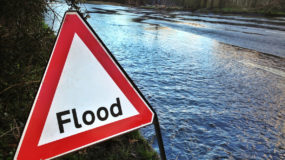
During times of heavy rain, drainage systems can become overwhelmed (especially if highway gullies are blocked with debris), causing roads to quickly become flooded. Whilst most drivers are aware of the risk of driving through floodwater to themselves and their vehicle, one consequence which can cause significant damage can be overlooked: bow waves.
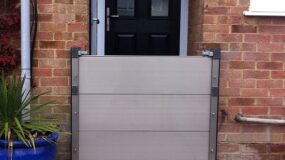
A bow wave is a wave that forms in front of a moving object when it travels through water. This barrier-like wave peaks around the front of the vehicle and travels with the vehicle as it moves. The faster the vehicle travels, the larger and more intense the bow wave becomes. As the wave travels with the vehicle, it can crash into nearby buildings, flood property entrances and overwhelm any Property Flood Resilience (PFR) measures in place.
Intensifying flood conditions: During a flood, when water levels are already rising around vulnerable properties. A bow wave can push additional water over kerbs, thresholds, or any Property Flood Resilience measures, worsening the flooding and increasing damage.
Damage to infrastructure: The force of bow waves can pick up debris in the floodwater, causing damage to roads, pavements, walls and other infrastructure. Multiple vehicles driving through floodwater can create repeated waves, similar to coastal erosion caused by crashing waves, gradually weakening structures.
Obstructing Roads: If a vehicle travels too fast through floodwater, the bow wave can overtop the bonnet and flood the engine, leaving the vehicle stranded. Stranded vehicles in the middle of flooded roads can obstruct emergency services and evacuation efforts, putting the wider community at risk.
If a flood warning is issued in your area, this means flooding is expected, and immediate action is required to protect your property and safety. Deploy any Property Flood Resilience measures, move valuables to higher ground, and secure your property.
If your property is located close to a road (either in distance or topography) that has a history of flooding, and you notice reckless drivers creating large bow waves, document the incident carefully. Take photos, record vehicle registration numbers and notify the police via 101 if necessary.
It is strongly advised not to drive through water deeper than 10cm (4 inches). Even shallow water can conceal hazards like potholes or debris, and moving too fast can create dangerous bow waves.
If you must drive through shallow, slow-moving water:
For more detailed guidance on safe driving in flood conditions, visit our Driving in Flood Water blog here and download our accompanying Driving in Flood Water resource here.
Remember, flooding can be stressful for communities, and careless driving can exacerbate the situation. Being cautious not only protects your vehicle but also helps reduce damage to properties and keeps everyone safer.