This blog has been written by The Flood Hub People.
Beavers are remarkable engineers. By building dams, they create pools to move around, hide from predators, and store food. These dams also slow the flow of water, reducing the risk of flooding downstream. In fact, they function similarly to leaky dams installed in UK watercourses as part of natural flood management (NFM) projects.
Over recent years, beavers have been reintroduced to parts of the UK to explore the environmental and social benefits they can bring. Locations include Devon, North Yorkshire, Essex, Gloucestershire, Cumbria, and Cheshire. For example, the release of a pair of beavers, Glen and Dragonfly, on the Lowther Estate in Cumbria in 2020 can be tracked online and followed Cumbria Beavers X (Twitter), showcasing their latest activity.
Historically, beavers were hunted close to extinction in the 16th century for their fur, meat and castoreum, a secretion used in perfumes, food and medicine. Today, controlled releases in licensed areas aim to reintroduce the species and study the positive impacts they can provide for both people and wildlife.
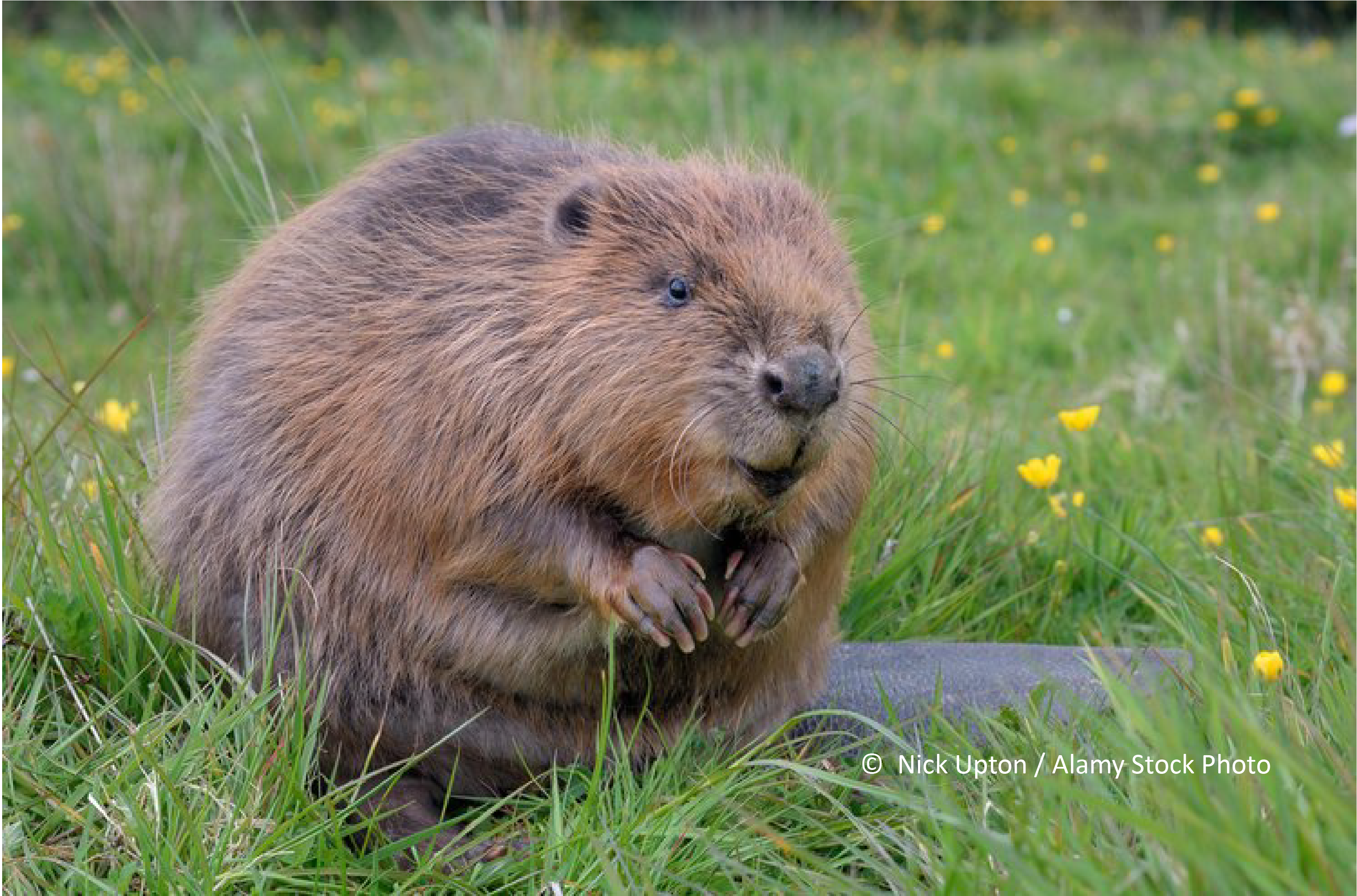
Beavers build dams upstream in small watercourses to create pools for protection and food storage. These temporary structures allow water to flow through, but at a slower rate. This reduces peak flows to downstream communities during heavy rainfall, helping to prevent flooding. During dry periods, the dams retain water, mitigating flash floods, reducing erosion and improving water quality by trapping silt and intercepting agricultural run-off.
Benefits of Beaver Dams:
For example, in February 2015, Devon Wildlife Trust received a licence to release beavers into the wild on the River Otter. Part of a five-year trial, the project monitored the environmental impacts. The beavers built six dams upstream of East Budleigh, a village prone to flooding, and research showed a measurable reduction in peak flood flows. Wetlands created by the beavers supported local wildlife, with a 37% increase in fish populations recorded.
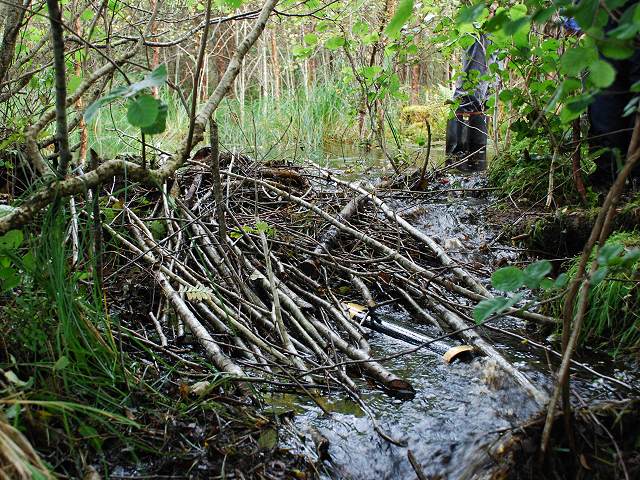
Beaver dam cc-by-sa/2.0 – © Patrick Mackie – geograph.org.uk/p/1452003
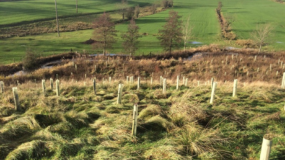
Beaver activity can sometimes flood farmland and damage trees. However, practical measures such as tree fencing and beaver deceivers, pipes that allow water to pass through dams without alerting the beavers, can manage water levels and mitigate potential flooding risks.
Could beavers be the key to sustainable flood management? The Devon trial demonstrates that natural dams not only benefit downstream communities but also support biodiversity and water quality. In contrast, large-scale engineered schemes can be costly, disrupt natural river processes, increase flow speeds and harm wildlife habitats. Reintroducing beavers may provide a cost-effective, ecologically friendly alternative to hard flood defences.
As climate change continues to increase the frequency and intensity of rainfall, nature-based solutions like beaver reintroduction offer an exciting approach to flood management that benefits both people and the environment.
Source: The Guardian, Devon Wildlife Trust, RSPB