This blog has been written by The Flood Hub People.
Flooding can be devastating, both emotionally and financially. The average cost of repairing a flood-damaged home in the UK is around £30,000, making adequate insurance cover essential. If you’ve noticed your home insurance premium rising, or are struggling to find cover, this guide explores your options for affordable flood insurance and how to protect your property.
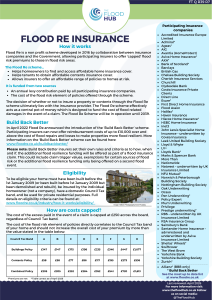
Flood Re: Affordable Cover for Homes at Risk
Flood Re is a joint initiative between the UK Government and the insurance industry. Its goal is to help homeowners in flood-prone areas access affordable home flood insurance by capping the cost of premiums and excesses.
To be eligible, your home must have been built before 1st January 2009 and meet all other eligibility criteria as listed on the Flood Re website here. While Flood Re does not provide buildings or contents cover for landlords, if you’re a tenant in a rented property, you can still insure your personal possessions through the scheme.
Flood Re is scheduled to close in 2039, giving homeowners time to improve their flood resilience. Those who do not may face significantly higher premiums once the scheme ends.
Build Back Better
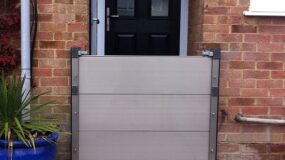
Flood Re’s “Build Back Better” initiative encourages homeowners to improve the resilience of their homes after a flood. When you make a claim through a participating insurer, the scheme can provide up to £10,000 extra to install flood-resilient or flood-resistant measures above and beyond repairing the original damage. This might include:
These improvements not only repair damage but also make your home stronger, safer and more resilient to future floods, helping reduce the financial and emotional impact of flooding.
You can find more information on Flood Re and the Build Back Better scheme here: www.floodre.co.uk.
If Flood Re isn’t an option, flood excess insurance can help. This type of policy covers the excess on your main home insurance policy in the event of a claim.
For example, a homeowner might choose a lower premium with a higher excess on their main policy, then use a flood excess insurance policy to cover that excess if flooding occurs. A quick google search will bring up options, but make sure this option meets your needs first.
If you’d like to discuss cover options in detail and acquire some specialist advice, insurance brokers can do all the work for you and help to make sure you have the right type and level of flood cover to meet your needs. They can also help you out with paperwork and formalities in the event of a claim.
You can find a broker via the British Insurance Brokers’ Association (BIBA) website here: https://insurance.biba.org.uk/find-insurance, or by calling them on 0370 950 1790.
Click here to download our ‘Flood Re and Household Insurance’ resource.