This blog has been written by The Flood Hub People.
Peatlands might not be the most talked-about landscapes in the UK, but they are one of the most important. These rare, waterlogged habitats cover around 11% of England and play a vital role in biodiversity, carbon storage and natural flood management. Globally, peatlands cover less than 3% of the Earth’s land surface, yet they store twice as much carbon as all the world’s forests combined, a statistic that shows just how valuable these ecosystems are.
What is peat and why is it so important?
Peat forms from layers of partially decomposed plants that accumulate in waterlogged, oxygen-poor conditions. Because decomposition is slowed down, the carbon stored within the plants remains locked away. This makes peatlands one of the world’s most effective long-term carbon stores.
Peat builds up incredibly slowly, it can take around 1,000 years to form just 1 metre. This slow process is exactly why peatlands are so valuable in fighting climate change: once the carbon is stored, it stays stored for millennia.
But peatlands are not just carbon sponges, they are also natural flood management champions. Their spongy, waterlogged soils can absorb and store vast amounts of rainfall, releasing it slowly over time. This slows the flow of water through upland catchments, reduces peak river flows and lowers the risk of flooding downstream. In this way, healthy peatlands act like a natural flood reservoir, protecting communities, homes and infrastructure from the impacts of heavy rainfall and winter storms.
By maintaining and restoring peatlands, we not only fight climate change but also increase resilience to flooding, making these landscapes critical to both environmental and community safety.

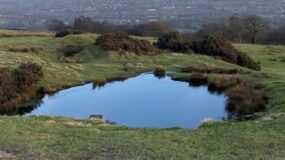
Wet peatland cc-by-sa/2.0 – © Alasdair MacDonald – geograph.org.uk/p/688639
The decline of UK peatlands
Despite their importance, over 80% of the UK’s peatlands are in poor condition. This damage is largely due to:
When peat becomes drained or exposed to the air, it dries out and begins to break down. This releases carbon back into the atmosphere as carbon dioxide (CO₂).
Damaged peatlands in the UK are estimated to release around 5.66% of global anthropogenic CO₂ emissions annually, showing how essential restoration work is for climate and nature.
Degraded peatlands also lose their ability to:
Why peat is still being bought
Around two-thirds of all peat extracted commercially is used by home gardeners, mainly in multipurpose compost. Despite the environmental impact, peat-based compost is still common because:
The Royal Horticultural Society states that in most cases, peat is not necessary for gardening. With improved peat-free products now widely available, switching to alternatives is one of the most effective ways consumers can help protect peatlands.
What’s being done to protect and restore peatlands?
Across the UK, major conservation projects are underway to restore damaged peatlands and return them to a healthy, functioning state. Here are some examples:
National Projects
MoorLIFE Project
A 5-year, €16 million conservation project protecting internationally important blanket bog habitats. Funded by the EU LIFE programme and supported by water companies including Severn Trent, Yorkshire Water and United Utilities.
Moor Water – Severn Trent Partnership
This project aims to boost nature in the Upper Derwent Valley by planting 600 hectares of sphagnum moss, a key peat-forming plant. The benefits include improved water quality, carbon storage and better natural flood management.
Moor Carbon
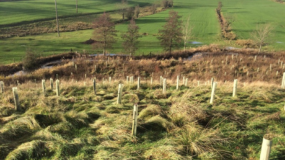
Completed in 2021, this 4-year government-funded project restored blanket bog across the Peak District, South Pennines and West Pennine Moors. Work included gully blocking, revegetation and stabilising bare peat to reduce emissions.
Cumbria Peat Partnership
Brings together organisations to restore peatland habitats across Cumbria, delivering benefits for flood risk management, biodiversity, water quality, carbon storage and the wider Water Framework Directive targets.
Peat Free Compost
In recent years there has been a concerted effort both nationally and globally to restore peatlands and reduce the consumption of peat. Peat alternatives have now been developed, which mimic its characteristics using bark, wood fibre, bio-solids, bracken and green-compost instead. Although initially peat-free composts had a reputation for being unreliable, the product has greatly improved.
As well as this, by purchasing locally produced peat free alternatives from locally collected waste materials, you are also benefiting UK industries such as forestry and composting, making peat free alternatives a win-win!
The Peatland Code
The Peatland Code, developed by the IUCN UK National Committee, is a voluntary certification standard that encourages private investment in peatland restoration. It helps guarantee that restoration projects deliver real, measurable climate benefits.
IUCN aims to see two million hectares of UK peatlands in good condition, under restoration or being sustainably managed by 2040.
Restoring peatlands is essential not only for reducing carbon emissions but also for improving water quality, supporting wildlife and lowering flood risk for downstream communities.
Sources: Natural England, Moors For the Future, Cumbria Wildlife Trust, Wildlife Trusts, IUCN-UK Peatland Programme, Forest Carbon, Telegraph, IUCN