Working with nature to safeguard our coastal communities.
Information on this page has been provided by the Our Future Coast Project Team and was correct at the time of upload. The Flood Hub is not responsible for any information held on this page.


Please click here to return to the Our Future Coast Homepage

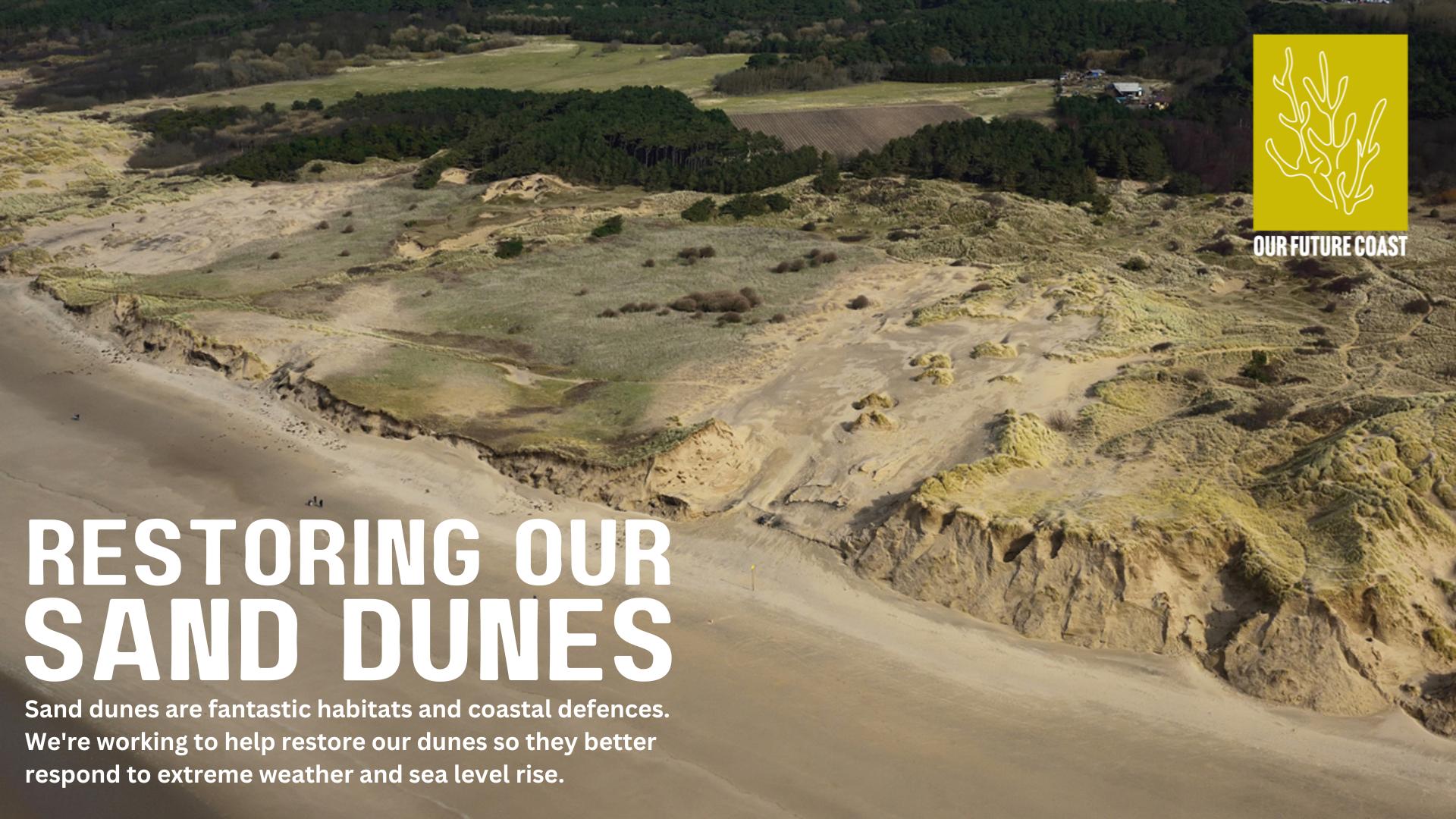
Formby Point comprises 500 acres of unspoiled sand dunes along The Sefton Coast. It is one of the most spectacular mature sand dune systems in the U.K. It is host to some very special wildlife such as the natterjack toad and the sand lizard. Our Future Coast seeks to work in collaboration with Sefton Council and the National Trust to find ways in which nature conservation, people and coastal protection can work in balance for the benefit of all. This site is a learning site for Our Future Coast.
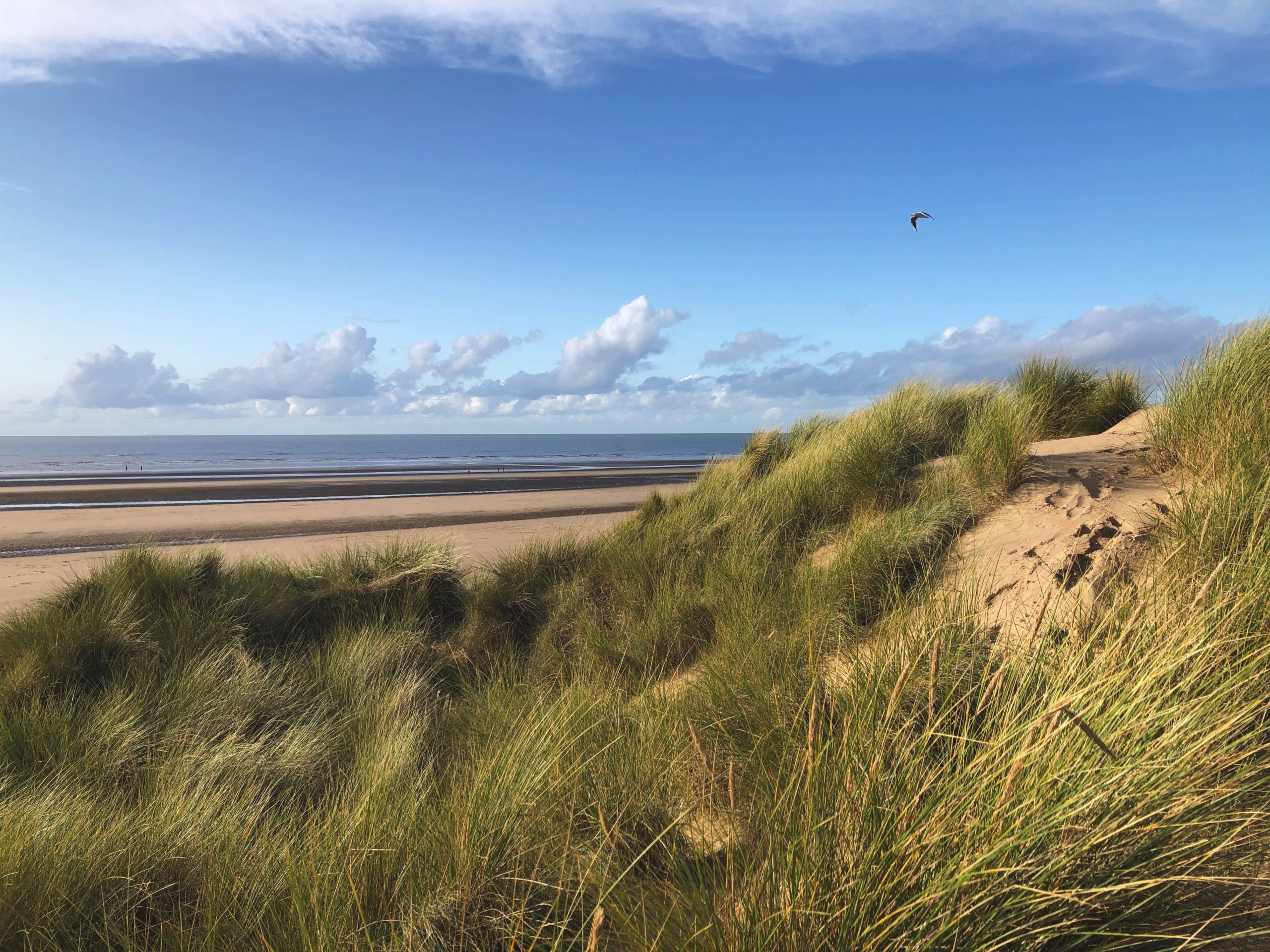
View of The Irish Sea from the Formby Dunes
The sand dunes at Formby Point are part of an unspoilt 20km dune system running along The Sefton Coast. They have special designations as a SSSI and as a Ramsar site and cover approximately 500 acres. The dunes at Formby are a mature dune system with both mobile and fixed dunes, with wet areas within the dunes slacks. These special features create special habitats for rare species such as the natterjack toad and sand lizards. The established dunes transition to a non-native pine woodland, which was planted over 100 years ago. This woodland provides habitat for red squirrel, but it can inhibit the natural roll back of the sand dune system. In some areas of the dune system there is dense scrub vegetation and remnants of industrial processes including construction rubble and dumped tobacco waste. These create barriers to the natural movement of the sand dunes. The dunes at Formby have been part of the Dynamic Dunescapes project whose vision is to create space for sand to move more freely, which will restore natural processes and create healthier habitats for many important and rare species. Works undertaken as part of this project include creating two ‘notches’ in the dunes where the tobacco waste is a barrier for natural sand movement.
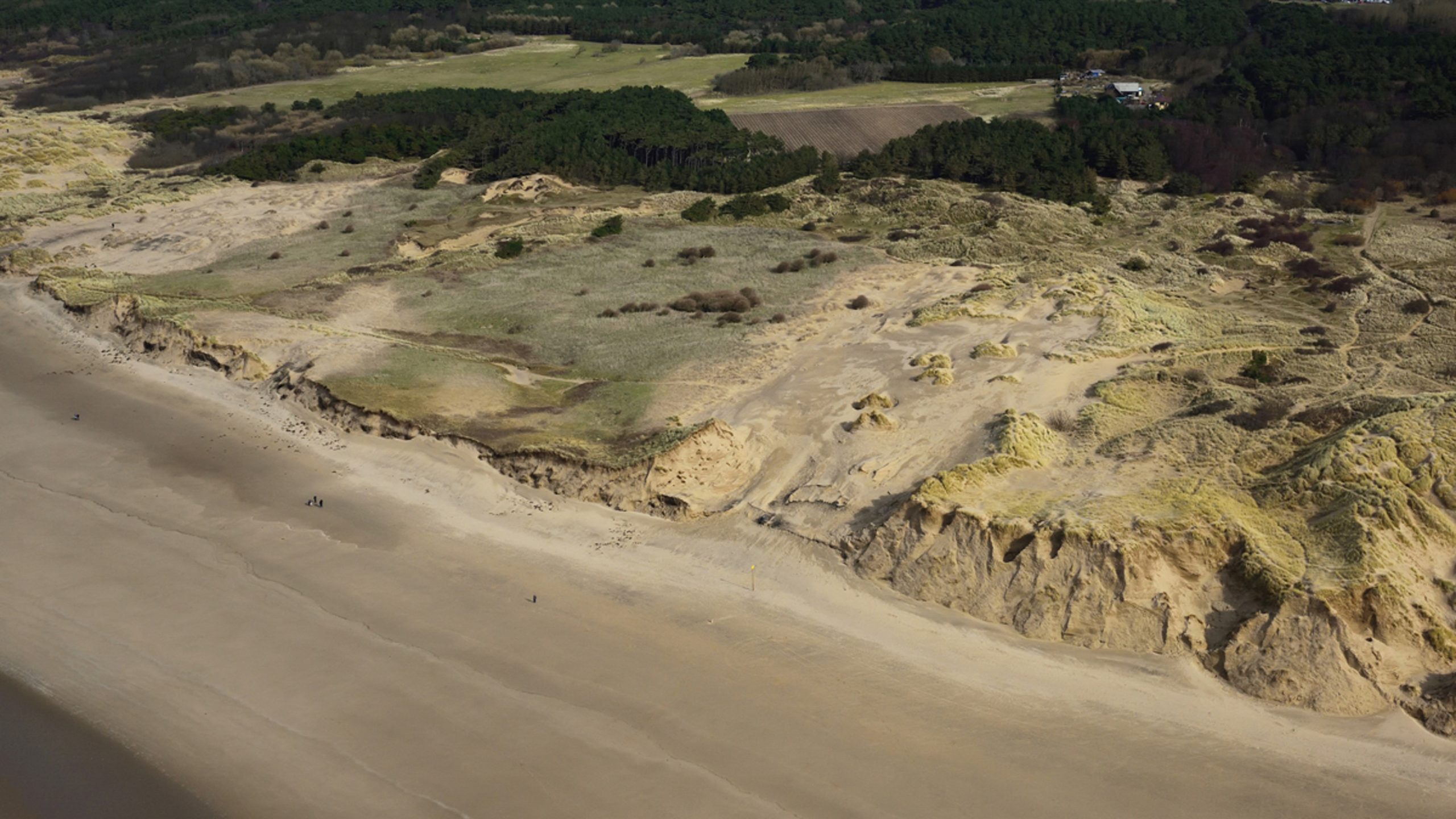
Unspoiled dunes at Formby
At Formby, the coastline is always changing. The sweeping sand dunes that define this landscape are not fixed features, but living systems shaped by wind, waves and tides, constantly shifting in response to the natural forces that created them but also interacting with our presence. Through the Our Future Coast (OFC) project, this dynamic landscape is being explored in new ways, helping us understand how nature itself can play a leading role in protecting people, places and wildlife as the climate changes.
Funded by the Environment Agency, OFC is working at Formby, with Sefton Council and the National Trust, as part of a wider programme across the North West coast. Here, the focus is on how dunes can continue to act as a natural line of defence absorbing wave energy, reducing flood risk, and adapting over time while still supporting the rich habitats and visitor experiences that make Formby so special.
The work at Formby begins with a simple but important idea, dunes are supposed to move. Research undertaken through the project has shown that their ability to shift, roll inland and reform is a key part of how they should function. In fact, healthy dune systems are those that can respond and adapt to change, rather than resist it.
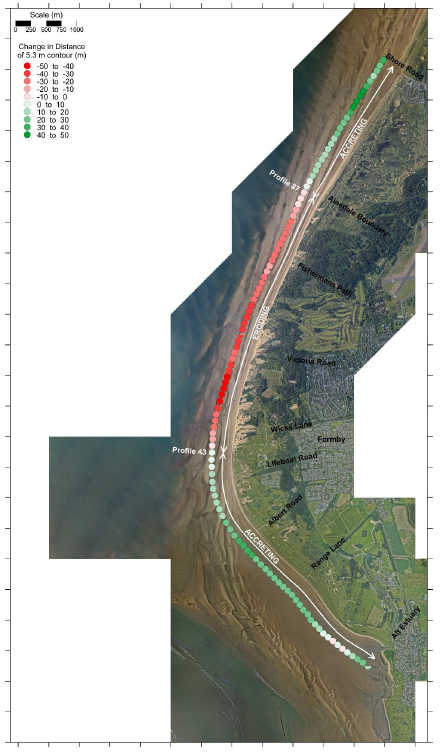
Aerial photograph flown 10/05/2024 with lines indicating the eroding and accreting frontages of the 5.30 m ODN contour between 2010 and 2024, from KPAL EX190325.
To better understand this, OFC has brought together detailed scientific studies looking at the health, resilience and movement of dunes. Using aerial data, long-term monitoring and new analytical tools, researchers have mapped the shape and structure of the dunes, tracked how they have changed over time, and identified where they are strongest and where they may become more vulnerable in future. This work has also helped define “trigger points” for when management intervention might be needed, supporting a more adaptive and responsive approach to coastal management.
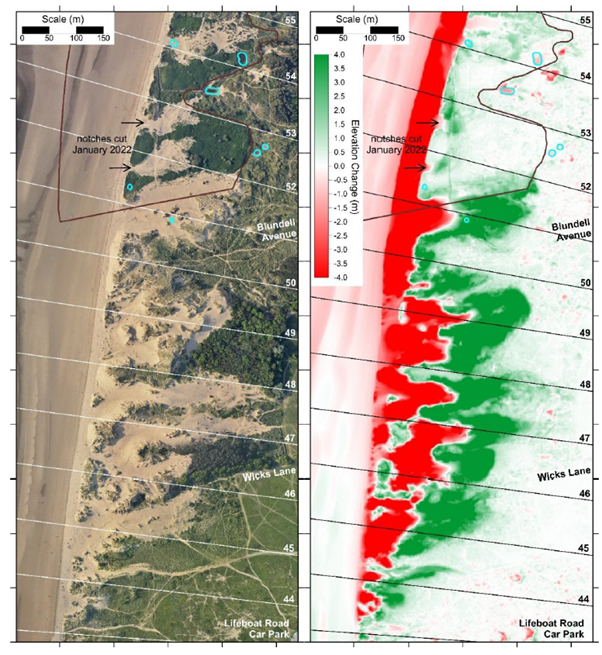
Aerial photograph flown 10/05/2024 with lines indicating the eroding and accreting frontages of the 5.30 m ODN contour between 2010 and 2024, from KPAL EX190325.
Alongside this, further research has explored how and why dunes move. At Formby Point in particular, the dunes are among the most mobile on the Sefton coast, influenced by a combination of strong coastal process, prevailing onshore winds and high visitor numbers. Understanding these patterns is crucial, not only to manage risks, but also to support the natural processes that allow dunes to evolve and continue protecting the coast.
Understanding the landscape is only part of the story. OFC has also placed strong emphasis on understanding how people experience and view Formby’s coast.
In 2024, a community readiness survey gathered the views of more than 800 residents and visitors. The results show how valued the dunes are, overwhelmingly seen as a nature haven, central to wellbeing, recreation and local identity.
At the same time, the survey revealed a growing awareness of change. Many people recognise that the dunes are dynamic and that climate change, particularly rising sea levels and increased erosion, poses the greatest long-term challenge. There is also strong support for working with natural processes, with most respondents favouring nature-based or hybrid approaches to coastal protection over traditional hard defences.
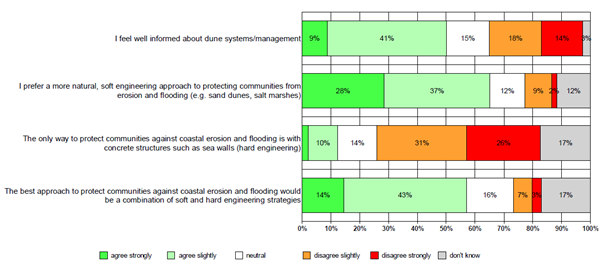
People were asked the extent to which they agreed with a number of statements about dune management, and then about Formby dunes.
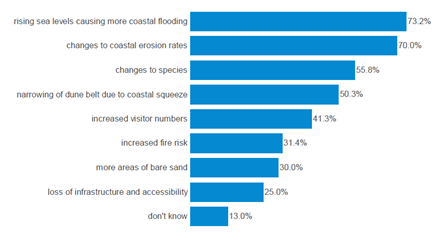
People were asked how they think Formby dunes will be affected by climate change in the next 50 years.
These insights provide a valuable baseline, helping the project track how understanding and attitudes evolve over time, and ensuring that future management is informed not just by science, but by people too.
 To complement this work, OFC has been trialling new ways to connect people with the changing coastline. At Formby, a Hello Lamppost chatbot has been introduced, offering an interactive way for visitors to discover more about the dunes as they explore. Through simple conversations, people can learn how the landscape works, why it changes, and what the future might hold.
This approach reflects a key aim of the project to make coastal change more visible, understandable and relatable so that people feel part of the story, rather than separate from it.
Together, these strands of work are helping to enhance and shape coastal management at Formby for generations to come, one that recognises the power of natural systems, the importance of good evidence, and the value of involving communities along the way.
By understanding how the dunes function, how they are changing, and how people perceive those changes, the Our Future Coast project is laying the foundations for a more adaptive and resilient coastline. One where Formby’s dunes continue to protect the land behind them not by standing still, but by moving, shifting and evolving, just as they always have.
Please click here to return to the Our Future Coast Homepage
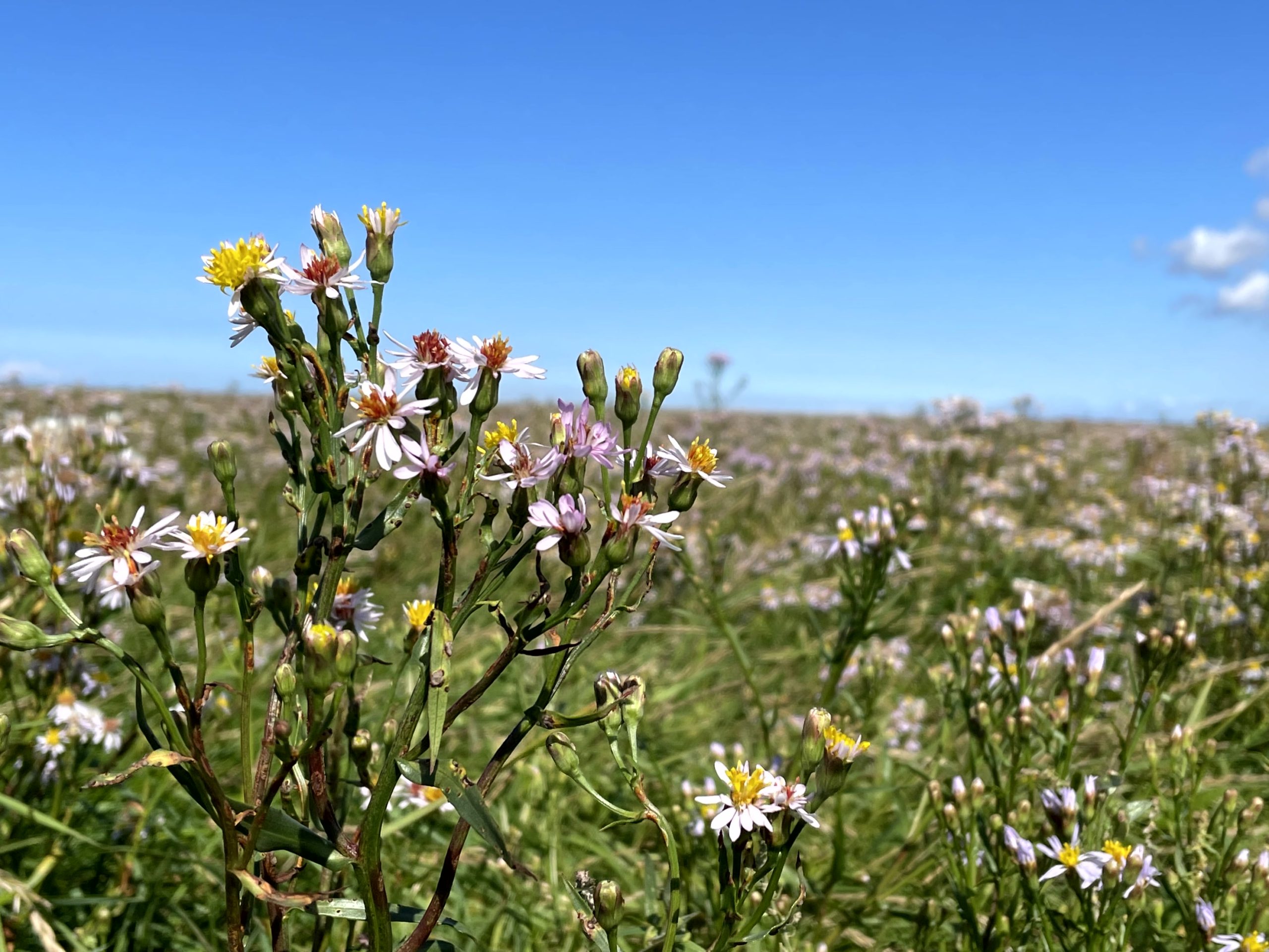
Meadow at the Ribble estuary
Hesketh Out Marsh is located in North Lancashire within the Ribble Estuary National Reserve. It is a fantastic example of a successful managed realignment which has created an extensive area of saltmarsh. This is the only example of managed realignment in the North West of England. For Our Future Coast this is a learning site. Learnings from this will be collated and adapted for potential managed realignment projects within Our Future Coast.
Historically, Hesketh Out Marsh has been used for agriculture. This was made possible through the creation of an embankment in the 1980s, effectively stopping the inundation of saltwater from the Ribble Estuary and turning the saltmarsh to farmland.
This farmland was purchased by The RSPB in 2006. Working with the Environment Agency and Natural England, the RSPB began work to restore this degraded saltmarsh back to favourable condition through the process of managed realignment.
This project occurred in two phases. The first in 2007 which restored the western area of saltmarsh, and the second phase in 2017 restoring the eastern area of saltmarsh. To enable the re-development of 168 acres of saltmarsh habitat the sea wall was breached in several places and sea water was allowed to inundate, creating an un-hindered tidal exchange This process is called managed realignment. There were many motivations behind the managed realignment project at Hesketh Out Marsh and it provides a brilliant example of the many benefits restoring a saltmarsh brings. The restored saltmarsh will provide greater flood protection and resilience of the local community, this flood protection will be vital in the coming years to mitigate against climate change induced sea level rises. The restored saltmarsh habitat also supports a wide range of wildlife including several rare bird species.
Currently, the site is carefully monitored and is part of a wide range of academic research to help understand the impacts of the managed realignment. This research is being undertaken by CoOpt.
Our Future Coast is working closely with CoOpt to understand the learning from this site and how this can be used to better understand the managed realignment process and nature-based solutions. This will be invaluable to plan and deliver any other future managed realignment projects in the North West.
Please click here to return to the Our Future Coast Homepage

The coastline at Fylde provides some of the North West’s most spectacular scenery with 90% of Lancashire’s sand dunes. Adjacent to the dunes is a patchwork of saltmarsh which extends southwards from St Anne’s towards Lytham. The saltmarsh is an important habitat for many different reasons, but at this site the Our Future Coast project is looking at its potential as a nature-based solution for sea defence purposes.
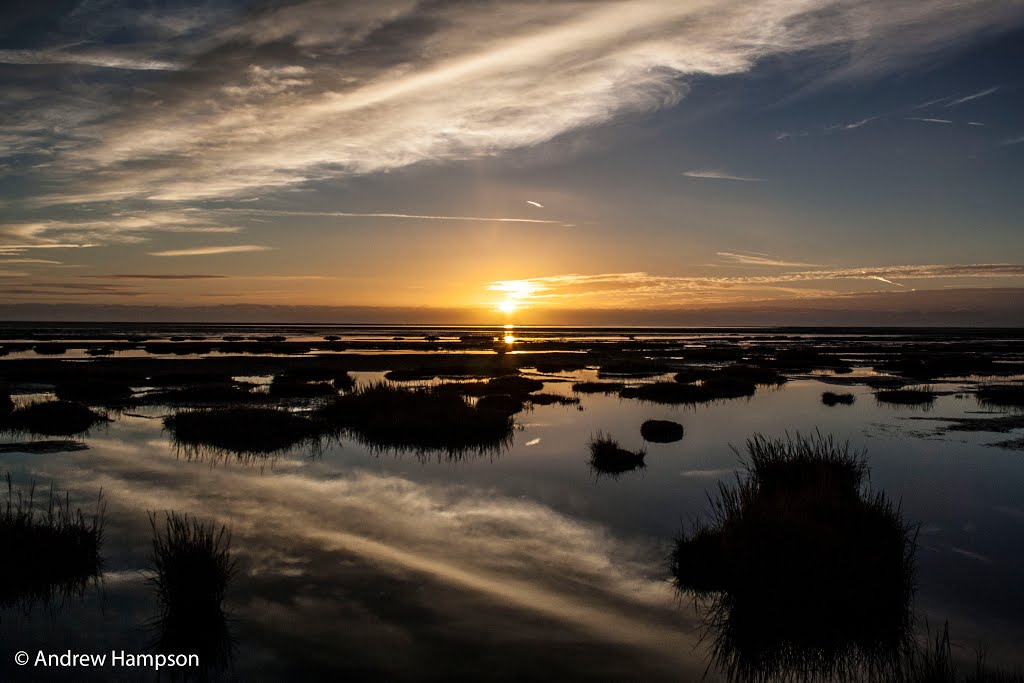
Fylde Saltmarsh
The saltmarsh has suffered reduction in extent in this area due to disturbance during the construction of the hard sea defences at Granny’s Bay. Our Future Coast are, therefore, looking to restore and develop the saltmarsh in this area with the following key objectives:
Restoring the saltmarsh will not only act as an effective sea defence but also work with the existing hard infrastructure to increase its longevity. It will improve the visual amenity of the area, improve biodiversity, capture and store carbon and therefore help to mitigate against the impacts of climate change and consequent sea level rise.
This project is trialling the use of Biodegradable Elements for Starting Ecosystems (BESE) grids to support saltmarsh development. These grids are made from potato starch, biodegrade within 5-10 years and work by trapping silt and sediment as well as providing temporary support for saltmarsh plants to establish.
Mini Buoys - These low-cost sensors, measure wave energy across the saltmarsh. This helps to understand how Fylde’s saltmarshes are working as a flood defence and where future restoration may be possible.
Radar – Using CoastSense radar technology, the project track currents, waves, and sediment movement to gain detailed insights into coastal change.
Community engagement is at the heart of Our Future Coast. The project is seeking to investigate the perceptions of saltmarsh both at the community and stakeholder level. To this end, Our Future Coast are installing a series of ‘Hello Coast’ signs along the promenade in order to initiate interactions with the local community and develop a deeper understanding of the communities views around saltmarsh, climate change and coastal change. Our future Coast hopes to work with the local communities to develop citizen science projects.
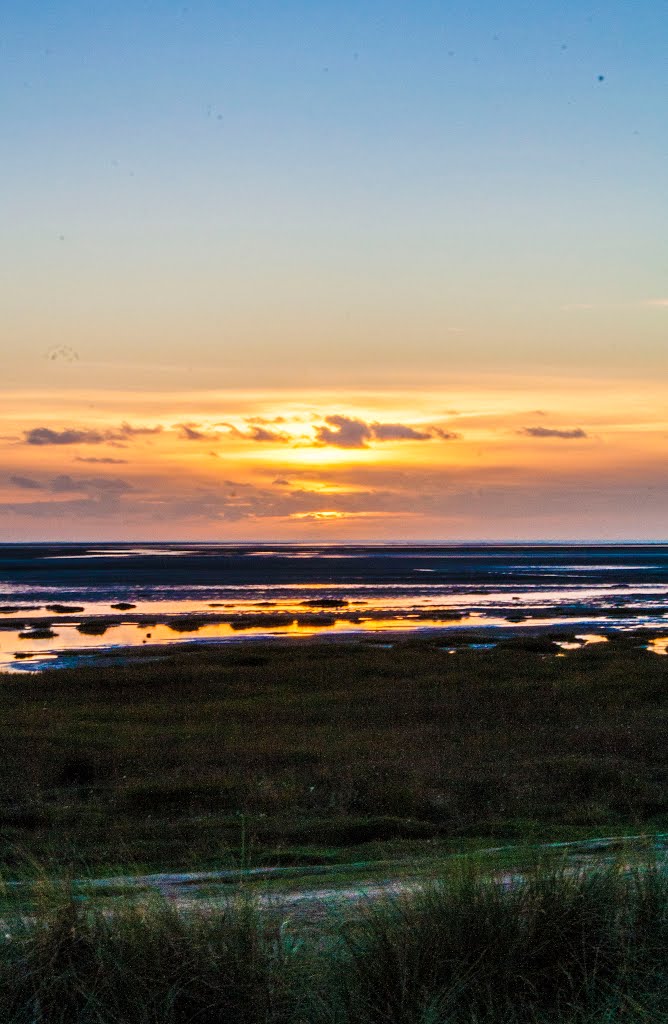
Fylde Saltmarsh
The project is working with local volunteers to better understand saltmarsh habitats by recording marine, bird and plant life using innovative and established surveys. Keep an eye out for our fixed-point photography posts which allow the public to photograph coastal change through the seasons.
Together, this work is building a resilient coastline that works with nature—not against it.
Please click here to return to the Our Future Coast Homepage

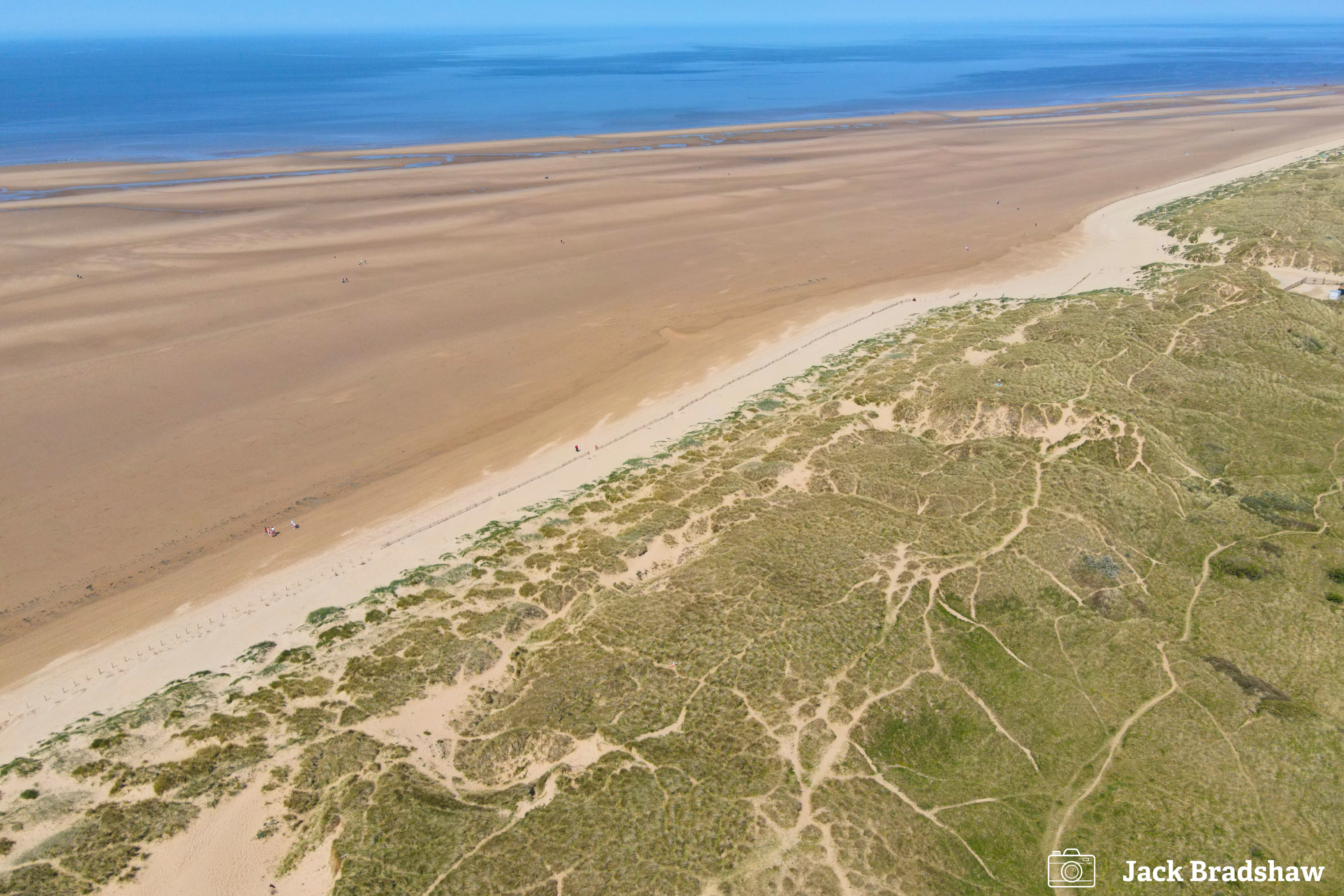
Where sand dunes meet the sea. A striking aerial image of Starr Hills Dunes
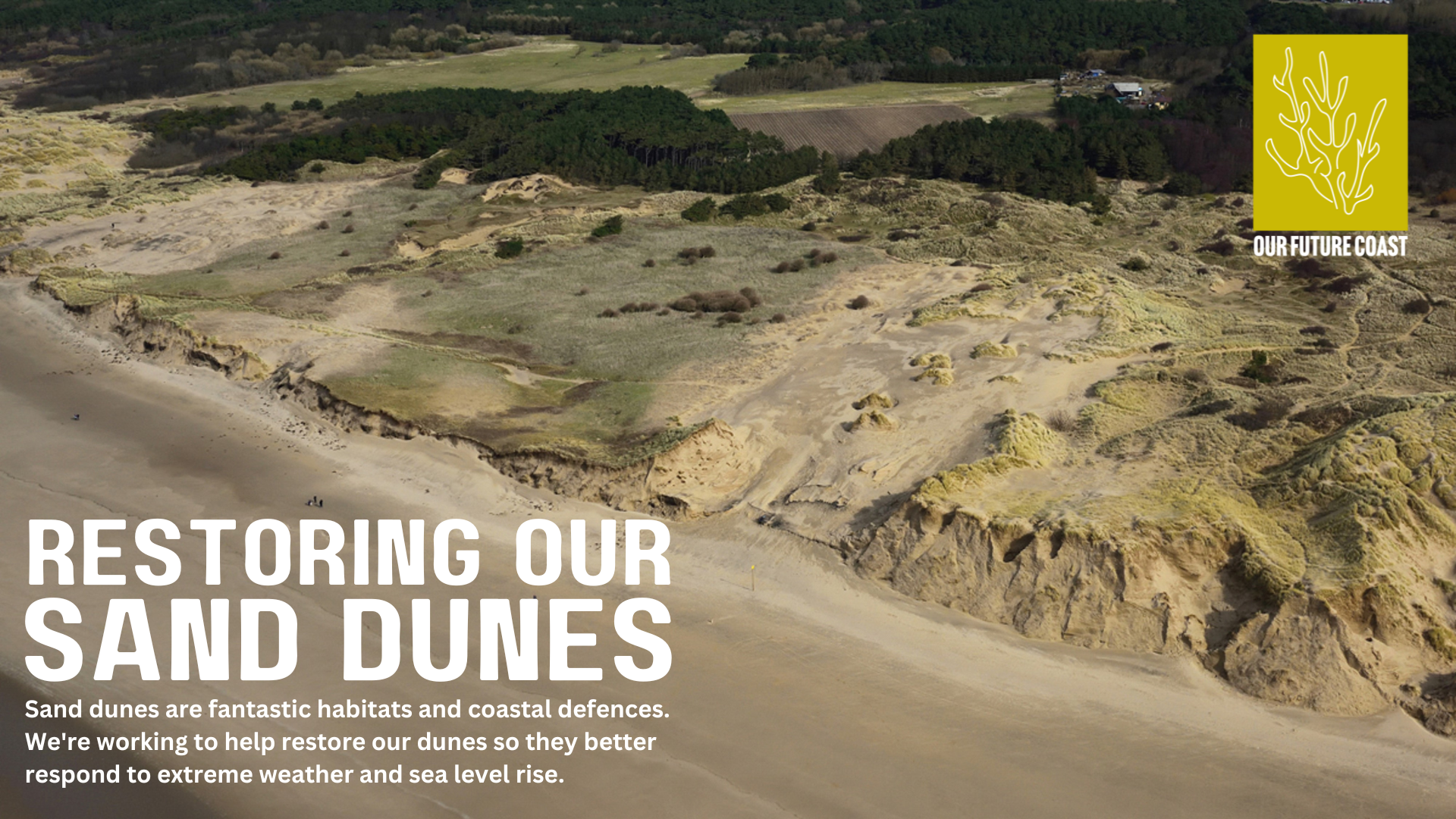
The Fylde Sand Dunes are a magnificent dune system, comprising 90% of Lancashire’s sand dunes. The dunes sit as an impressive buffer between the town and the active coastline. They are loved by locals and tourist alike and have significant recreational and leisure value for the area.
For the last 10 years the dunes have been managed as part of The Fylde Sand Dunes project. This is a partnership between The Wildlife Trust for Lancashire, Manchester and North Merseyside, Fylde Council and Blackpool Council, it is funded by the Environment Agency. The project aims to:
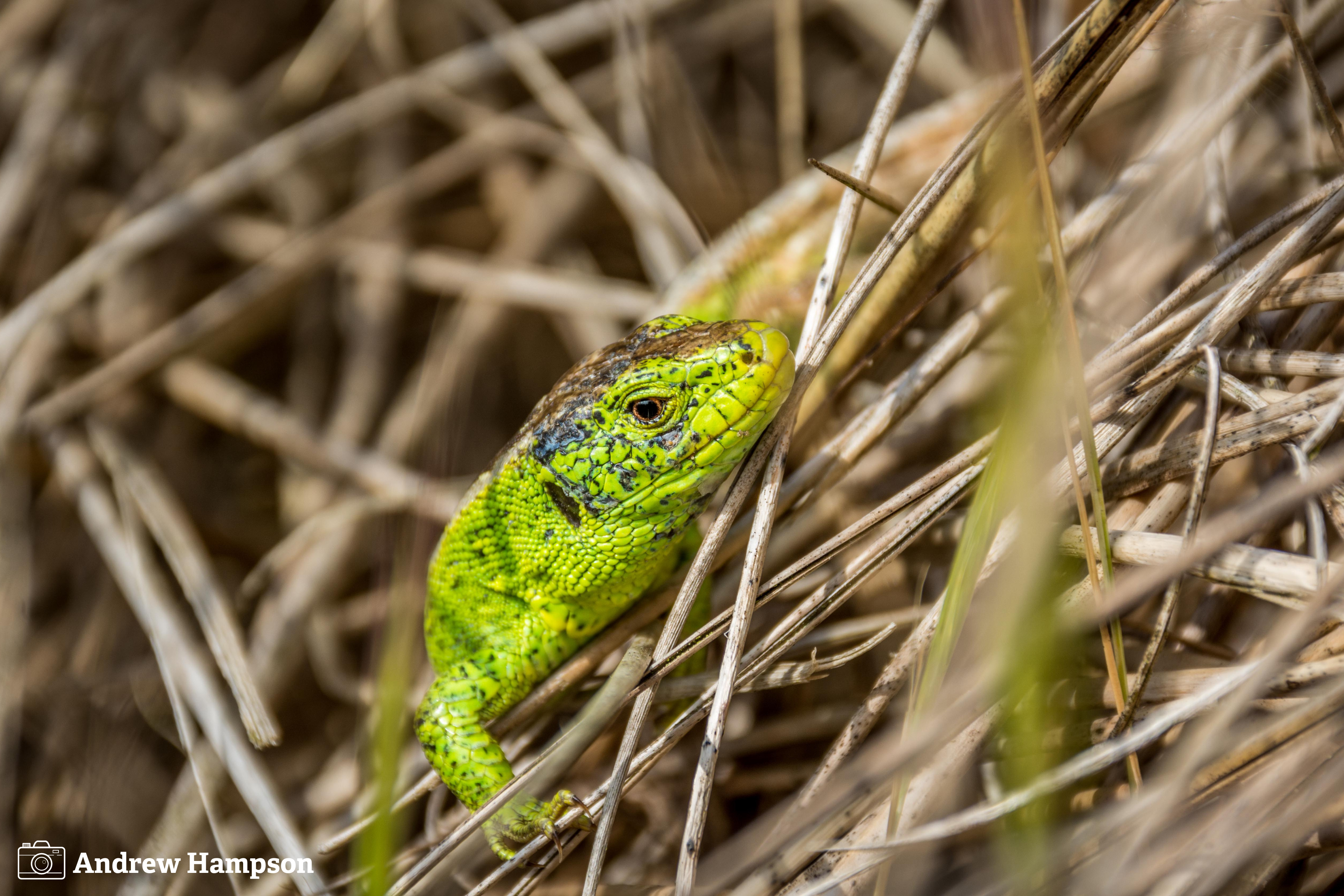
Sand lizards at Starr Hills Dunes
This award-winning project has seen some fantastic achievements over its lifetime, including the re-introduction of 400 sand lizards to the site in 2020. The dunes team organise and host a yearly recycled Christmas tree planting event. This event is extremely popular, and 2024 saw nearly 600 local and corporate volunteers descend on the dunes to plant upwards of 2000 recycled Christmas trees. The Christmas tree planting is a very successful example of a nature-based solution in action, the dunes have seen 60m of cumulative growth since 2013. This provides a vital first line of defense for the town of Lytham both now and into the future as climate change brings rising sea levels and enhanced storm conditions.
For the Our Future Coast project the Fylde Sand Dunes are a learning site. The project hopes to capture the best practice sand dune management for an accreting dune system. These findings will be shared and used to inform and develop management strategies at similar sites in the U.K. and beyond.
To this end, Our Future Coast has commissioned two reviews at Starr Hills. One which looks at the development of the sand dunes with a focus on site ecology and sand dune development. The second will, more broadly, evaluate The Fylde Sand Dunes Project and include the engagement programme. Both will help to inform future planning for this site.
The results of these two reviews will be disseminated both at community and industry level to ensure learning is shared widely and effectively. Our Future Coast and the engagement team will be critical in supporting the dissemination of this important work.
The community is already actively engaged at this site through the extensive work undertaken by The Fylde Sand Dunes Project. This includes a work with schools through their Beach School programme, the annual Christmas Tree planting event along with regular sand dune tours amongst many other things. The community is also invited to have their say via Hello Coast at this site.
Please click here to return to the Our Future Coast Homepage

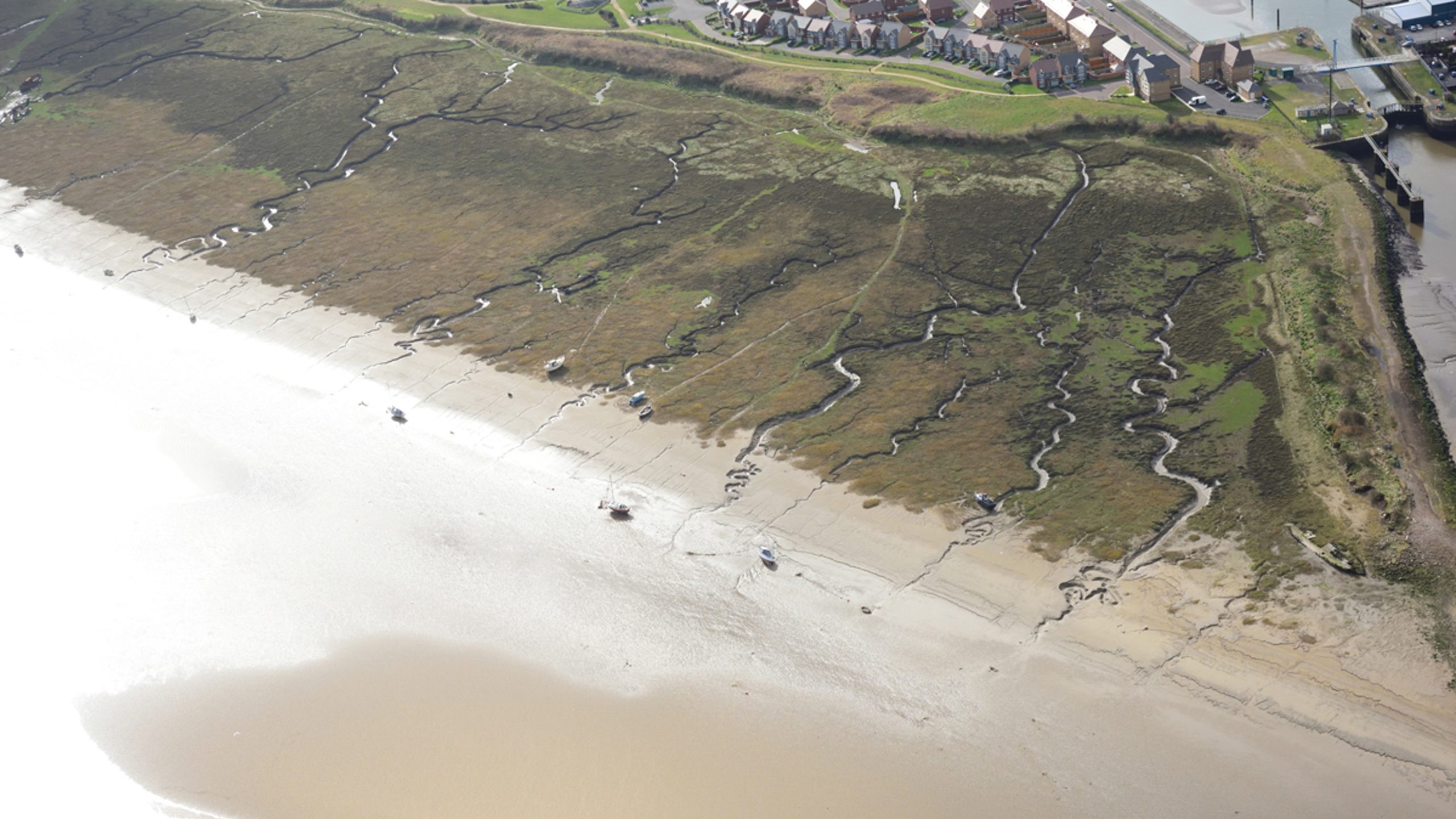
An aerial view of Fleetwood’s Jubilee Quay
Fleetwood is a coastal town on the Irish Sea, and the western mouth of the river Wyre. The Our Future Coast project at Fleetwood is focused on the historic Jubilee Quay area. The quay is currently dominated by mudflats, and the Our Future Coast project is hoping to develop these mudflats into saltmarsh. The project aims to demonstrate the use of saltmarshes as an alternative to more traditional methods of hard coastal protection which usually involves high carbon infrastructure.
Fleetwood has a population of around 26,000. It has a unique character due its economic growth in the 1830s as a seaport. This facilitated the growth of the fishing industry in Fleetwood. Alongside this occurred a boom in tourism which included a ferry terminal operating between Fleetwood and The Isle of Man. The historic fishing industries have since declined; the last sea trawler left the town in 1982. Tourism has also declined but visitor attractions remain such as the boating lake, Mount Park, and Fleetwood Museum. The main port is now owned by Associated British Ports and is exclusively used for commercial purposes.
Coastal flooding has also been a significant problem for Fleetwood. In November 1977, a tidal surge overtopped the defences and resulted in breaches of the defences at Cleveleys and Rossall. Flooding of 1,800 properties occurred with recorded flood depths of more than 1m. There is currently a sea wall running along Jubilee Quay and this gives significant coastal protection to the town.
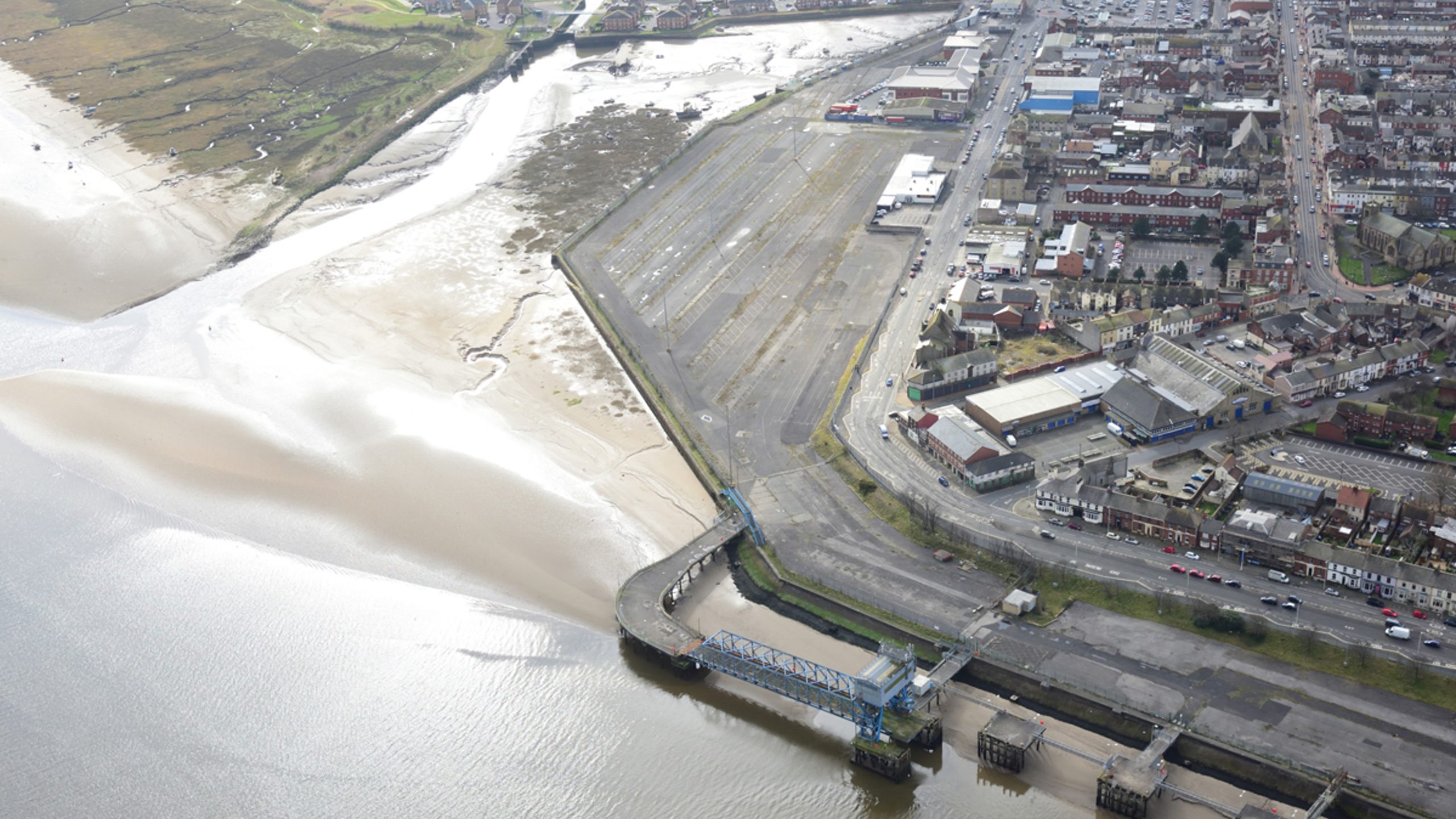
Image of Jubliee Quay mudflat
Jubilee Quay is part of this rich history and is still home to a small number of fishing vessels. At Jubilee Quay, Our Future Coast, will trial saltmarsh as a support to the existing infrastructure. Nature-based solutions such as saltmarsh, can be used extremely effectively in conjunction with hard engineering options, and as such they are a powerful and complementary tool which can enhance flood resilience. Once developed, the saltmarsh at Jubilee Quay will act as a buffer to in-coming tides, acting as a first line of defence and protecting the integrity of the existing infrastructure.
As a nature-based solution, restoration of the saltmarsh will have many benefits, these will include:
This work has been made possible by funding from ReMeMaRe.
Community engagement is at the heart of Our Future Coast. The project is seeking to learn from the local community about coastal change, share information about saltmarshes and potentially work with volunteers to co-design, construct and install the Nature Based Solutions. We would also like to work with the community to understand the heritage of the inland fishing fleet.
Please click here to return to the Our Future Coast Homepage

Skippool is south of Stanah along the Wyre estuary, a site which once was a boat berthing area has now been overcome by fly tipping and debris. This detracts from its environmental and resilience value, Our Future Coast aims to improve the condition of the area by removing this.
The site will then be used as a creation of a demonstration salt marsh and boat berthing area to show the ability of commercial and environmental sustainability on a key saltmarsh within the tidal estuary which has been severely degraded. The ambition is to improve its status to allow SSSI designation. This will involve collaboration with neighbouring owners and users bringing in the adjacent Stanah saltmarsh improvement works experience. The saltmarsh is an important buffer strip to the properties and businesses to the rear. The works will include improvement to the condition of the saltmarsh including removal of coastal debris and fly tipping.
Please click here to return to the Our Future Coast Homepage

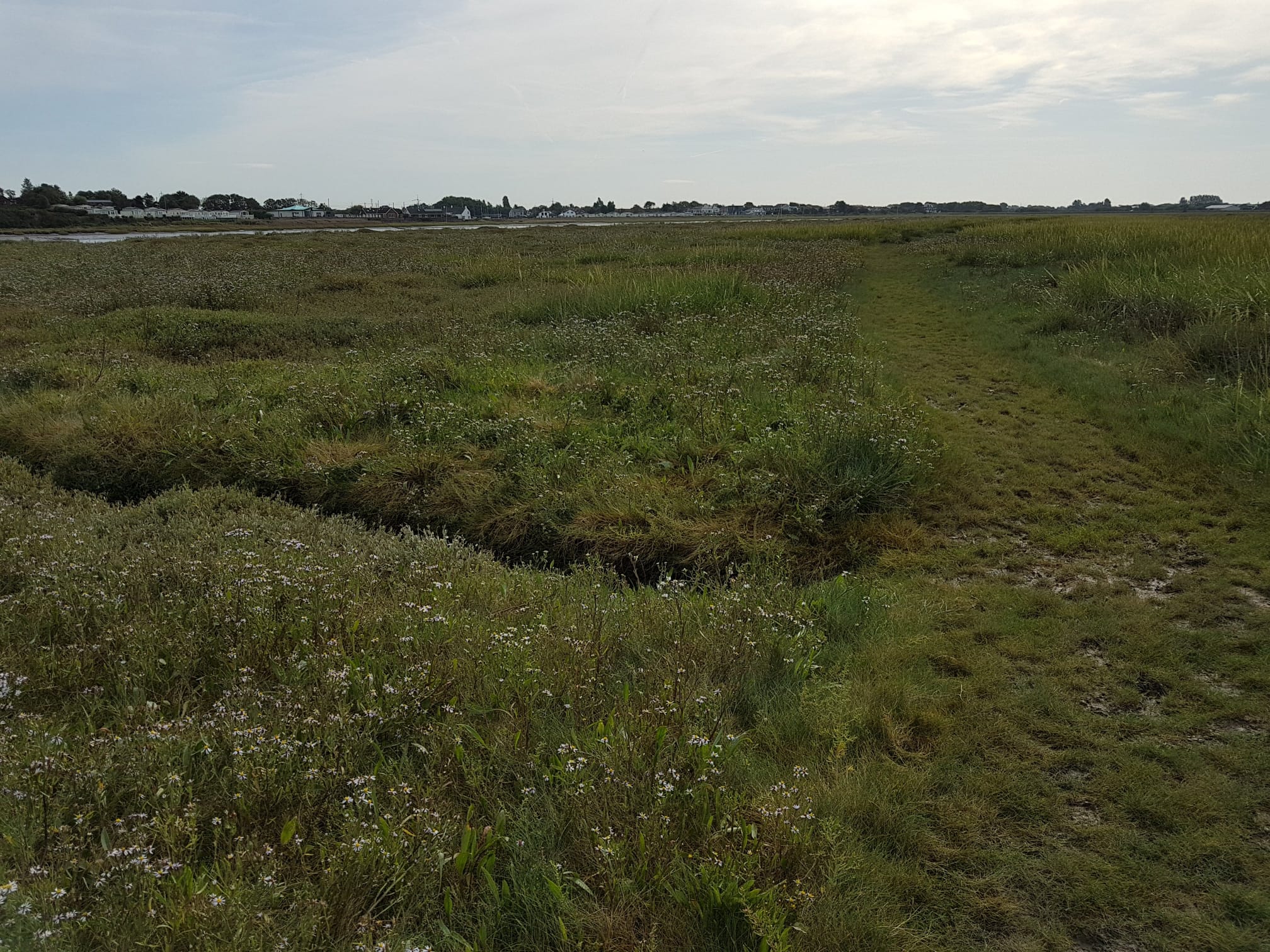
The unique flora of the saltmarsh on The River Wyre Estuary
The Wyre Estuary Country Park is a popular local beauty spot for walkers, bird watchers, horse riders and other recreational users. The area boasts significant saltmarsh habitat which has SSSI protected status due to its ecological significance. The saltmarsh is host to a wide range of biodiversity, including wading birds such as redshank and curlew. In recent years the condition of the saltmarsh has significantly deteriorated, and erosion has occurred. In part, this is due to recreational disturbance.
Working with Wyre Council, Our Future Coast and Wyre Rivers Trust, aims to restore the health of this unique environment. Enhancing the saltmarsh in this way will also optimise its ability to act as a first line of coastal defence, helping to protect local communities from future climate change sea-level rise, whilst improving the area for wildlife.
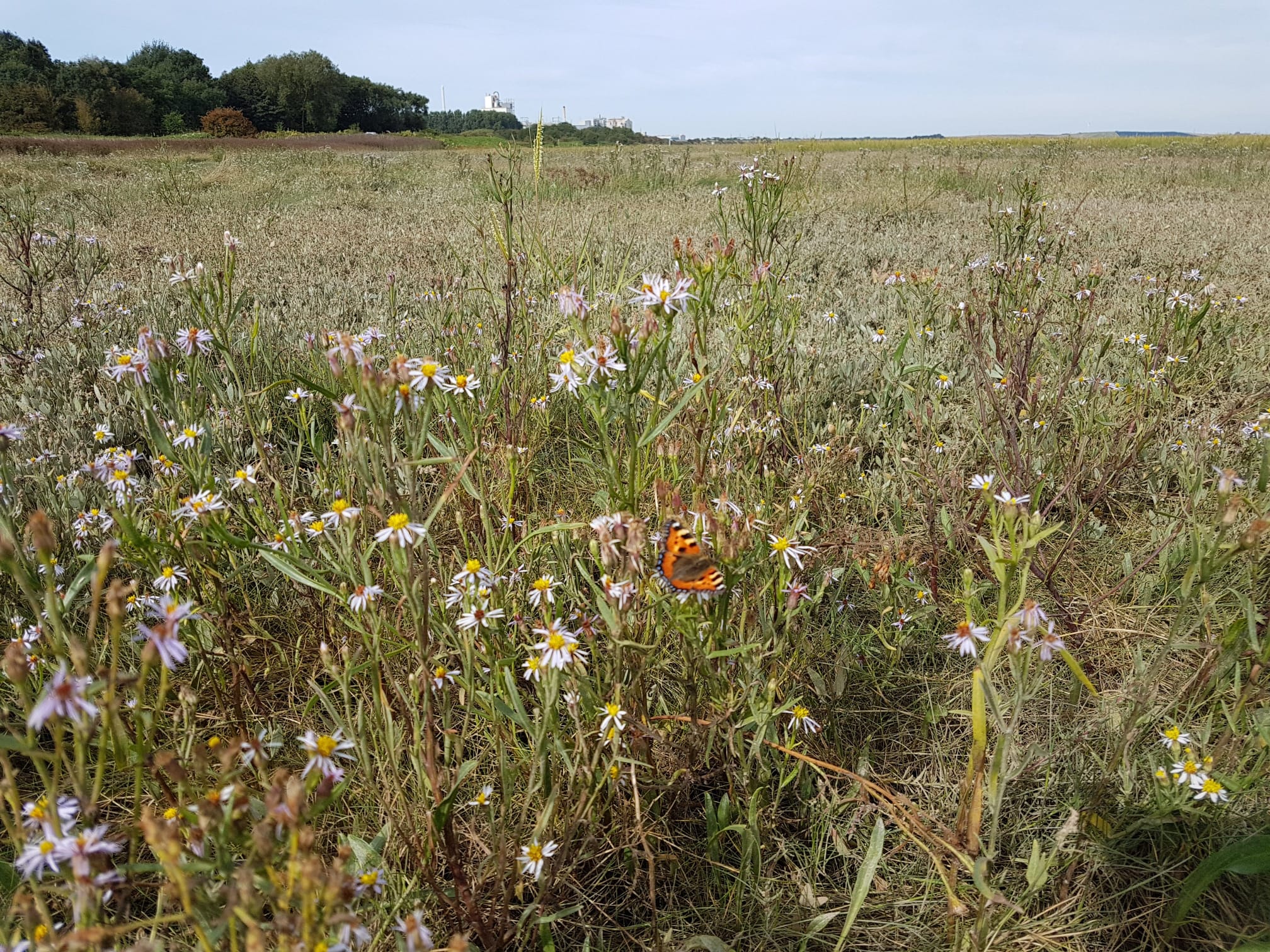
Tortoiseshell Butterfly amongst the saltmarsh on the banks of The Wyre River Estuary
Wyre Estuary Country Park and Stanah saltmarsh is a 43ha site which comprises of grassland, woodland and saltmarsh. The saltmarsh extends 37.5ha along the western edge of the Wyre Estuary and has SSSI protected status. The area is a popular and established visitor location and visitor amenities including a car park, children’s play area, café and visitor’s centre. Several surfaced footpaths are routed across the site, most notable of which is The Wyre Tramper Trail which follows the landward boundary of the saltmarsh. The Tramper Trail is well used by the local community. The condition of parts of this pathway has significantly deteriorated and needs an upgrade.
The Gateway to Wyre and Stanah Saltmarsh Restoration are joint projects with Wyre Council, Wyre Rivers Trust, and Our Future Coast. The project’s overarching aim is to not only create better access for people using this area, but also, through the improvements to the saltmarsh, create community resilience to climate change and rising sea levels. The project will be completed in two phases:
This project will aim to upgrade the 2.5km of public pathway which is currently damaged and degraded, between the Wyre Estuary Country Park, Stanah and Skippool Creek Car Park. This will improve access to the area and will help to reduce recreational disturbance on the saltmarsh. Reducing disturbance on the saltmarsh will improve its condition, this in turn, allows the saltmarsh to act as a natural protective buffer to protect the pathway.
The second phase of this project will aim to improve the condition of and re-naturalise the saltmarsh. As a nature-based solution, restoration of the saltmarsh will have many benefits, these will include:
Community engagement is at the heart of Our Future Coast. The project is seeking to learn from the local community about coastal change and share information about the saltmarsh at Stanah.
Critical to the success of this project is ensuring all stakeholders (community groups, local councillors, residents, landowners and farmers) are involved and are included as equal partners from project initiation. Our Future Coast aims to work closely with stakeholders to ensure this project is co-designed by and for the communities it serves.
Please click here to return to the Our Future Coast Homepage
Situated to the east of Knott End-On-Sea, nestled between the villages of Cockerham and Pilling lies a stretch of uninterrupted saltmarsh. The saltmarsh is effectively a buffer between the Irish Sea and the coastal villages and farmland located on the landward side of the marsh. The area is designated as a SSSI and Ramsar not least because of its significance as a habitat for wading and migrating birds.
Agriculture dominates this area, with many different types of farms in operation from dairy farms to arable and varying from large scale to small holdings. In recent years many of these farms have suffered from waterlogged fields for parts of the year. This has been hugely problematic for farmers in this area.
At Fluke Hall Our Future Coast seeks to demonstrate that changes to current land management practices in the area can reduce flooding and benefit the environment whilst remaining economic.
To achieve this ambitious aim, Our Future Coast plans to work with local communities including landowners, farmers, and other stakeholders to discuss and plan how this can become a reality. Our Future Coast plans to trial and test co-designed strategies such as setting land aside for water storage. Having an area where water can be stored during heavy rain events will mean the current pumping infrastructure can work more effectively helping water drain from the hinterland to the sea more efficiently. This, in turn, will help improve the drainage of the wider area.

An aerial view of Fluke Hall with saltmarsh, embankment and farmers beyond
Community engagement is at the heart of Our Future Coast. The project is seeking to learn from the local community about coastal change, share information about saltmarshes and potentially work with volunteers to co-design and install Nature Based Solutions.
Engagement activities at Fluke Hall has so far focussed on knowledge exchange. This has been facilitated by innovative techniques such as participatory mapping. Our Future Coast has investigated drainage, rainfall and flood events in the locality and fed this back to farmers and landowners to understand if this aligns with farmers experiences on the ground. The next steps are to develop a co-designed plan to test and trail strategies in the area. This could include, exploring the financial feasibility of changing land practices to improve drainage.
Please click here to return to the Our Future Coast Homepage
Cockerham Marsh SSSI lies to the southeast of Morecambe Bay near Cockerham, Lancashire. It is an area known for its natural beauty and the occurrence of rare wildlife species such as the natterjack toad. However, natterjacks have declined in this area in recent years. Cockerham Marsh SSSI is part of the wider catchment system which also includes the straightened channel of the tidal River Cocker downstream from Cocker Bridge, part of the Lune Estuary SSSI.
The tidal channel was straightened in the 1960s with land being embanked and reclaimed to the south of the channel.
The initial phase of this project will involve a study, which will focus on the potential for restoration of natural processes, morphology and habitat. The study will also look at how restoration could provide other benefits to the estuary and the wider catchment, particularly in relation to land drainage and flood risk. The study will also inform the Natural Flood Management (NFM) options in this area and their suitability for maintaining the integrity of the Protected Sites (Morecambe Bay Special Area of Conservation, Morecambe Bay and
Duddon Estuary Special Protection Area, Morecambe Bay Ramsar, Wyre-Lune Marine Conservation Zone and Lune Estuary SSSI).
Community engagement is at the heart of Our Future Coast. At Cockerham the project is seeking to listen and learn from the local community about coastal change, and how this is impacting the local area. It is hoped that this will not only give local people a voice but also empower them to influence decisions around future flood resilience.
These summaries, films and the full reports are the final outputs from the investigative work at this site:
Please click here to return to the Our Future Coast Homepage

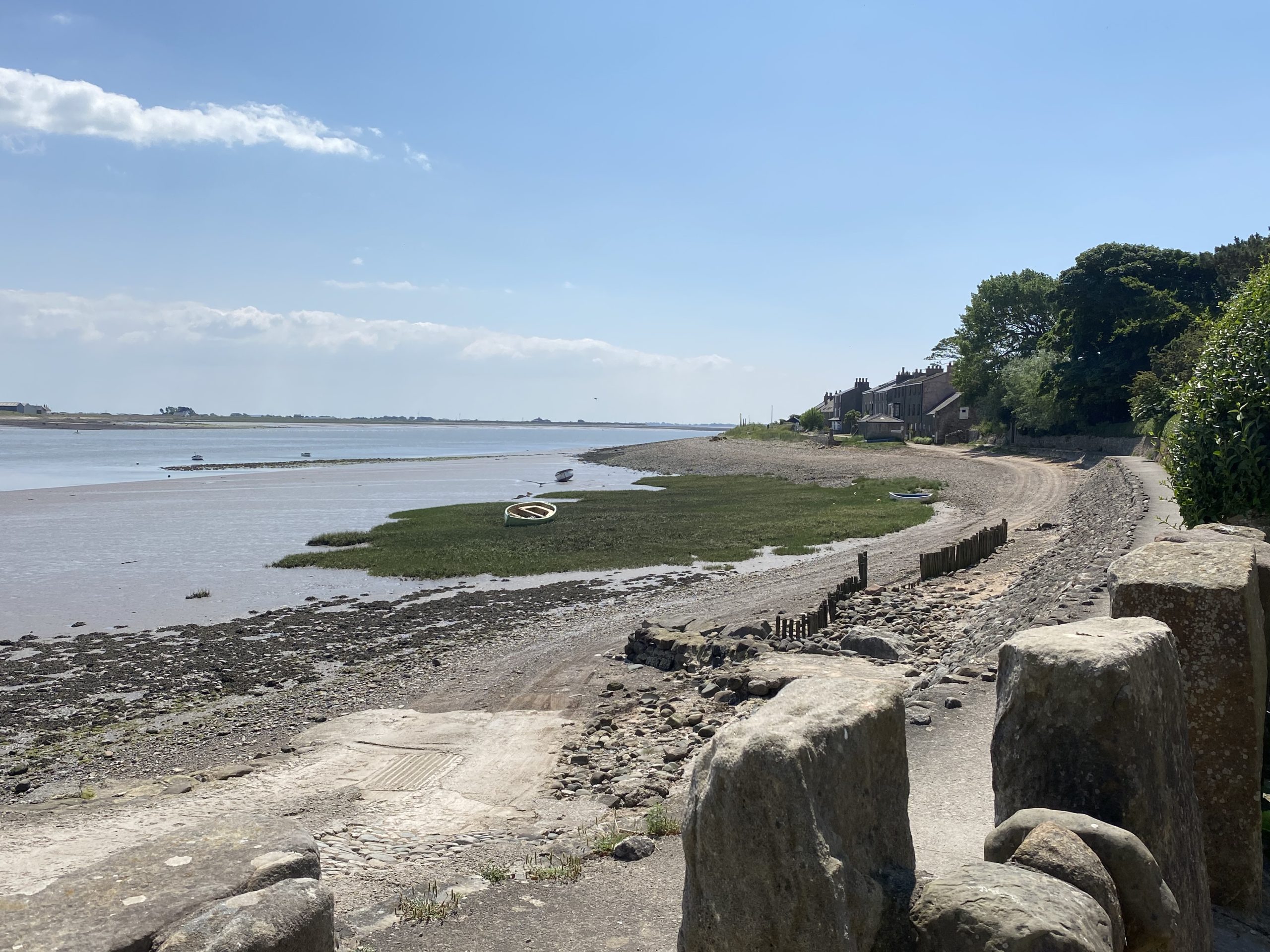
Overlooking the Lune Estuary and Second Terrace at Sunderland Point
Sunderland Point, at the tip of the Lune Estuary near Lancaster, is a unique place – but one that is vulnerable to the impacts of climate change. Our Future Coast is supporting the community to develop their own Nature Based Solutions (NBS) project to help manage coastal change now and into the future.
With 38 properties, some dating back to the 17th century, Sunderland Point is a place rich in history, heritage and culture.
It is also a place where the community shares a lived connection with the natural environment—the sea, river, salt marsh, shingle, and mudflats—and where they are routinely cut off twice a day by the flooding of the access causeway at high tide.
The entire Point is at high risk of flooding, whilst sea level rise is expected to increase the risk and threaten the longevity of the community. The Village also has a No Active Intervention Shoreline Management Plan policy, although the community have demonstrated a strong collective will to fund and implement their own coastal defences in the past.
The community are now interested in developing and implementing alternative NBS to manage coastal change in new ways. Residents were instrumental in getting the project approved and continue to shape its direction. Crucially, the project aims to give the local community a stronger voice in coastal management decisions. This is something 83% Sunderland Point residents do not feel they currently have [Statistic from 2025 Survey].
To support community involvement and help progress the project, residents are working with Morecambe Bay Partnership, who are also involved in six other Our Future Coast sites in Lancashire and Cumbria. Ultimately, the project at Sunderland Point places people at the heart of Our Future Coast by designing NBS with the community.
At the start of the project, all Sunderland Point residents were invited to join a project Task Group. The Group aims to promote partnership, discussion, and collaboration amongst the community and key stakeholders involved in developing NBS. One of the Group’s first tasks involved setting a project vision, which states –
By March 2027, we want Sunderland Point to be a place where we:
Developing a robust understanding of coastal change is a key first step in identifying where NBS could be most effective for Sunderland Point. To achieve this, the Task Group helped shape a series of studies exploring how the estuary and saltmarsh environments have evolved over time.
To investigate long-term change, Claire Bradshaw, Morecambe Bay Partnership’s Archaeology & Heritage Officer, undertook archive visits with residents and examined 100’s of documents, paintings and photographs.
More recent changes in the coastal environment (post 2000) were analysed by Charlotte Evans, an intern at Lancaster University, who used a range of coastal datasets, including hydrodynamic data, satellite imagery, topographic profiles and LiDAR scans. Charlotte’s fieldwork also involved the use of ‘Mini Buoys’ – low-cost tools to monitor various changes in the intertidal zone – which were built and deployed by residents.
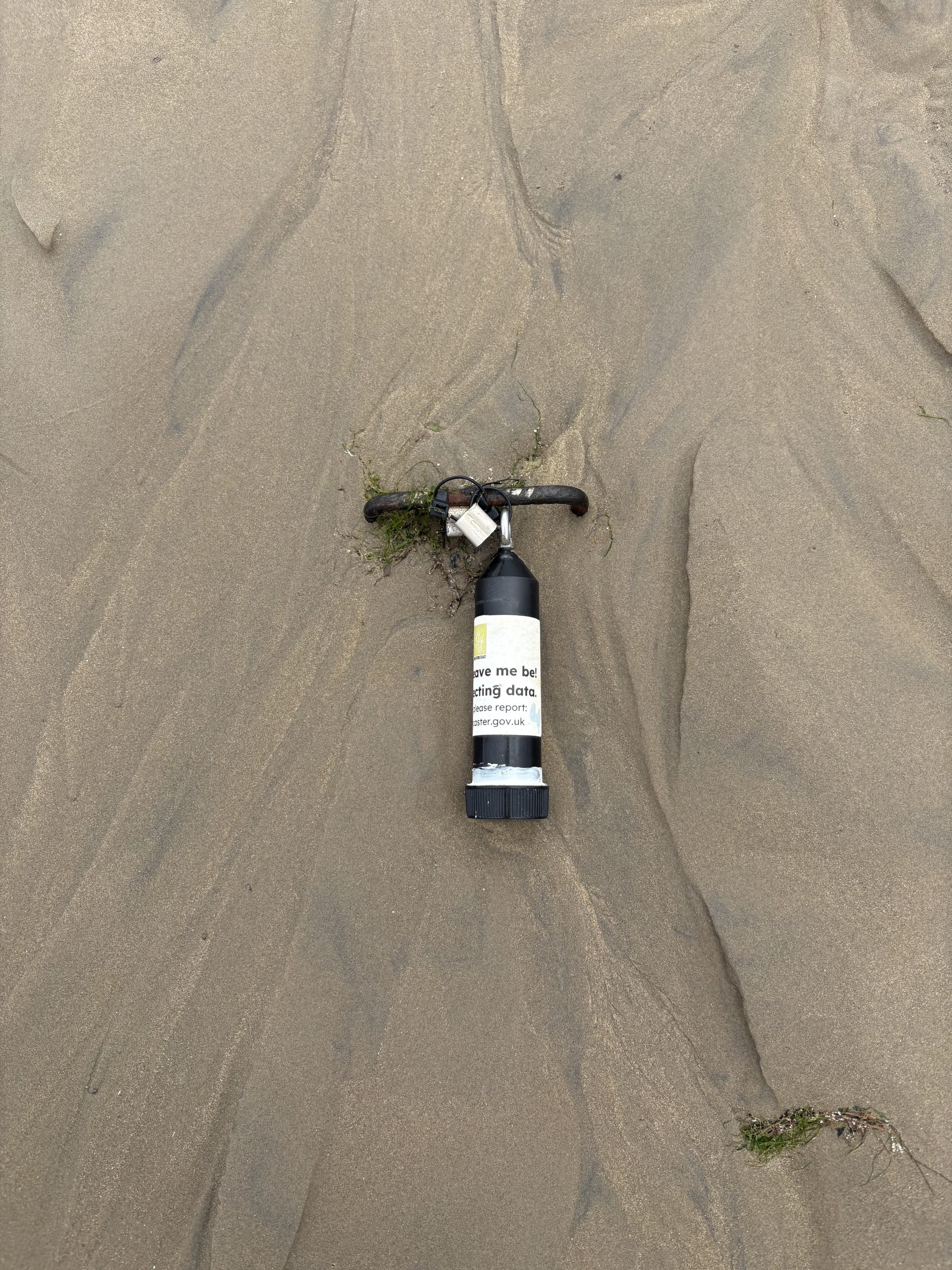
Mini Buoy Deployment
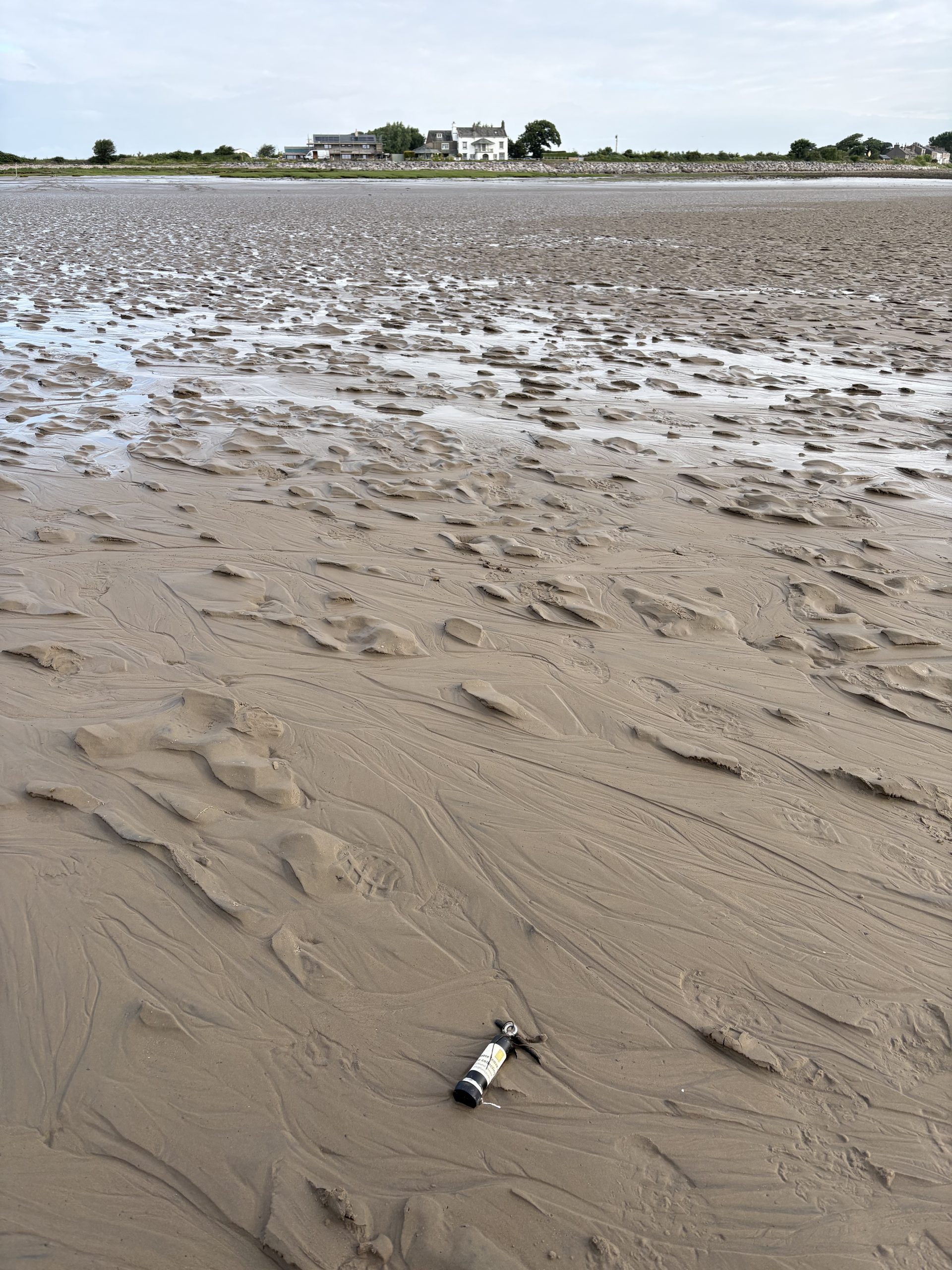
Mini Buoy Deployment
Lastly, Dr Liz Edwards worked with children from Overton Primary School and residents using ‘clip:bit’ software to survey and map the extent and types of saltmarsh plants found along Sunderland Point’s Eastern Shore.
Together, these three studies have helped to provide a clearer picture for how the distinct areas of coastline at Lades Marsh, West Shore and East Shore have changed over time.
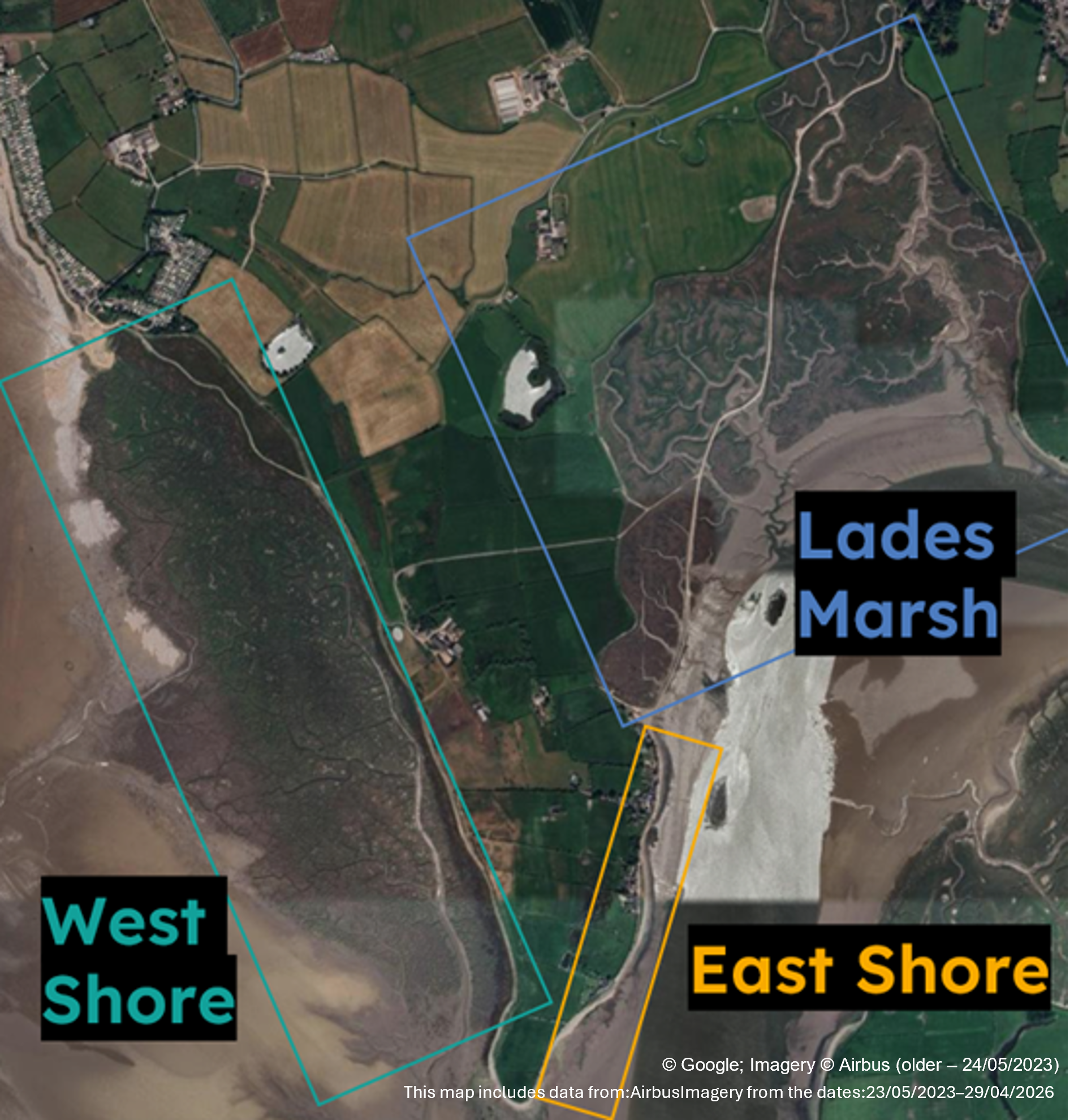
The three coastal areas studied in Claire’s and Charlotte’s analysis of past and present coastal change
Findings show Lades Marsh and west shore have generally increased in extent and elevation, although some erosion at the marsh edges has been observed from LiDAR data collected between 2006 and 2023. Contrastingly, East shore presents a more mixed picture. While some saltmarsh has increased, there has been significant erosion between Old Hall and Point End.
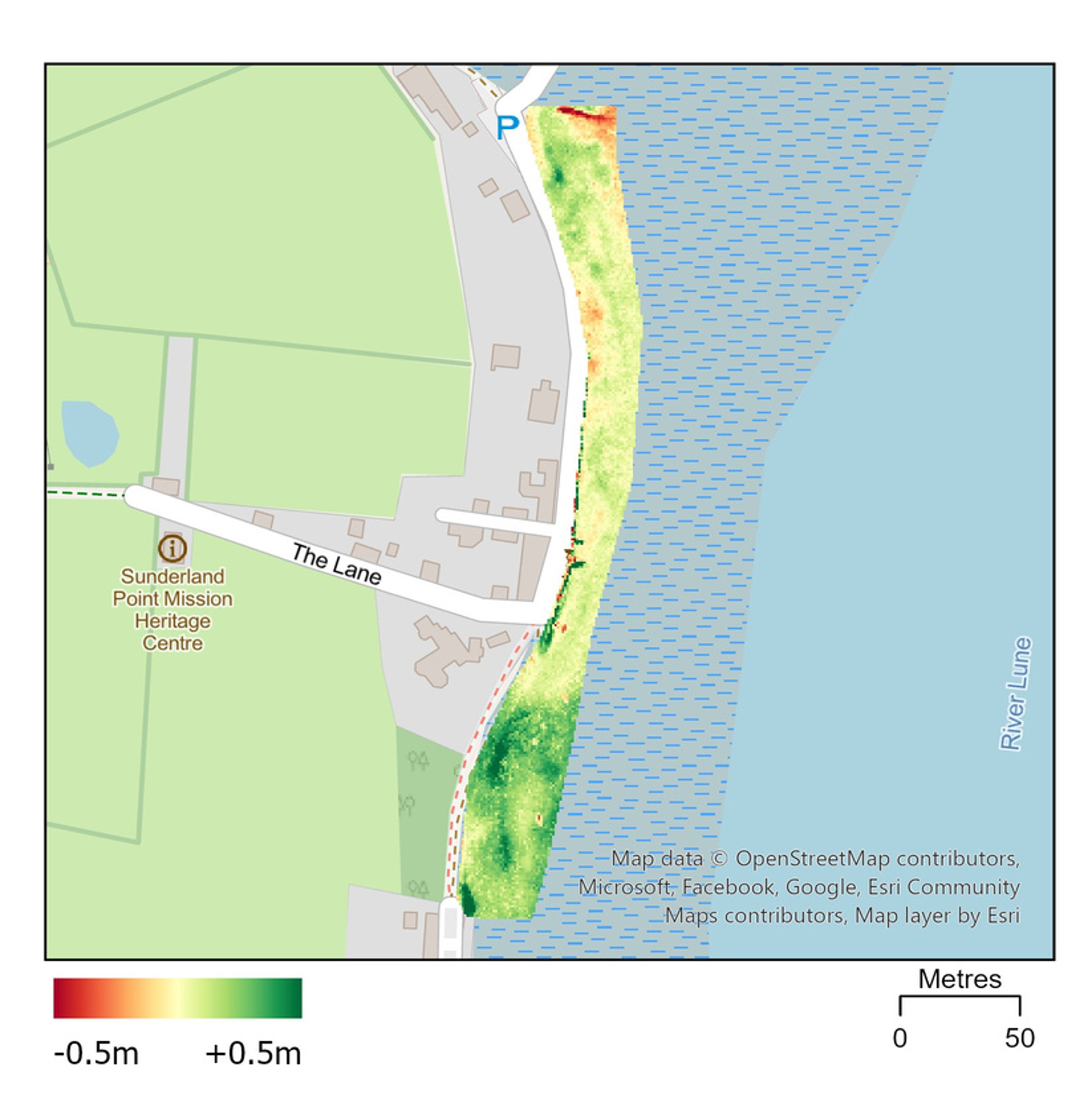
Saltmarsh between First and Second Terrace has increased in both extent and elevation between 2006 and 2023, as indicated by the dark green shading in this LiDAR plot.
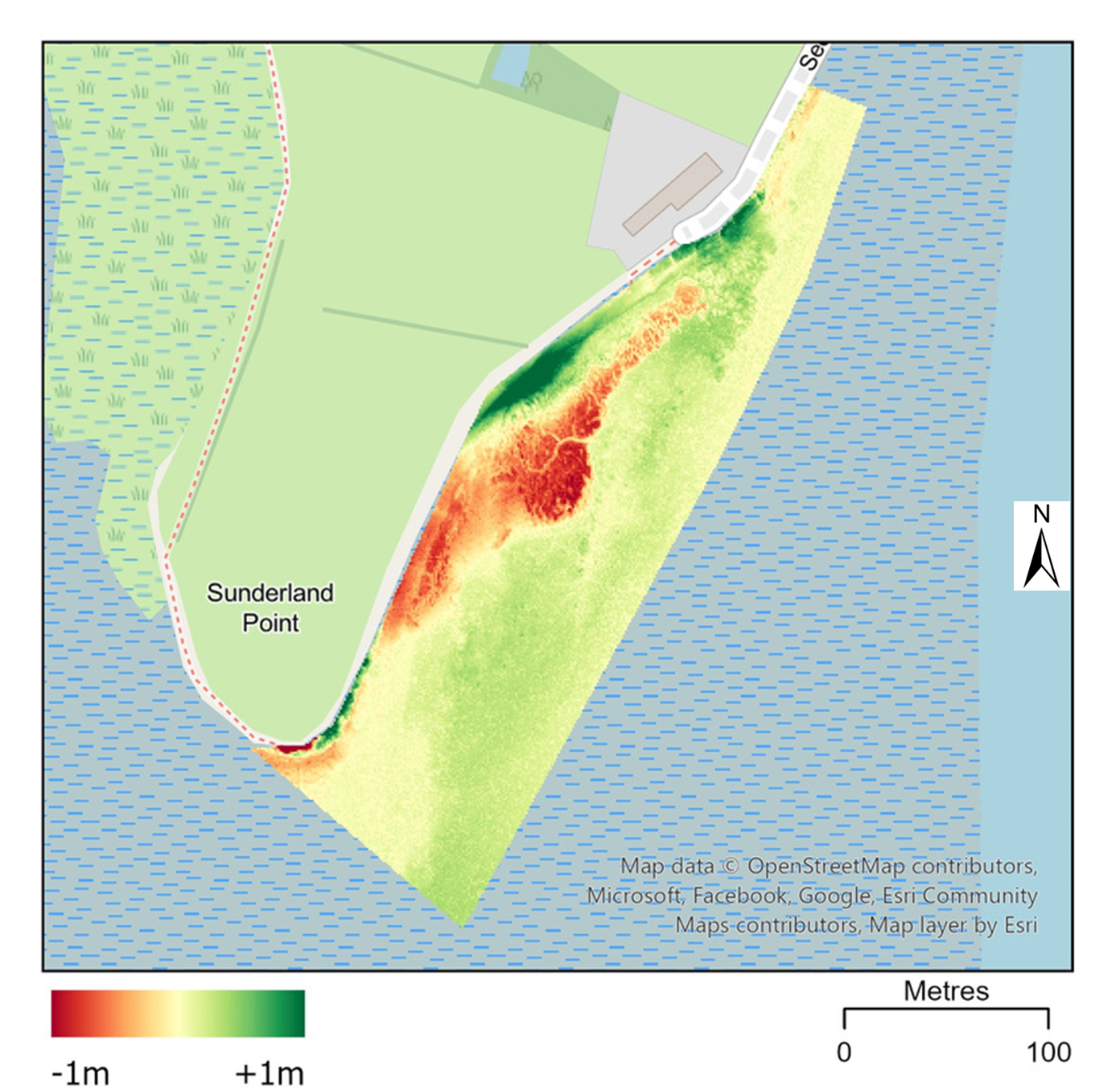
The extent of elevation loss (red area), and hence saltmarsh erosion, between 2006 and 2023 along the coastline from Old Hall to Point End is clear in the LiDAR data.
Charlotte’s analysis of the Mini Buoy data between Old Hall and Point End did suggest that there are now favourable ‘windows of opportunity’ (time periods without disturbances, such as tidal inundation and/or hydrodynamic forcing) for saltmarsh plants to establish in this area.
Moreover, Liz’s saltmarsh surveys in this vicinity highlighted an abundance of pioneer saltmarsh plant species like spartina and samphire, which help to support Charlotte’s conclusions and suggest restoration of this marsh may be feasible. You can read Charlotte Evans’ full report here.
The conclusions from these studies enabled the Task Group to make informed decisions about the most feasible locations to test NBS.
Lades Marsh and West Shore were quickly ruled out due to the limited need for intervention and challenges associated with access. East shore, by contrast, was seen as the most suitable location. As well as offering opportunities for saltmarsh restoration and expansion, it is also where the village is located, meaning interventions here could provide the greatest benefit.
The Task Group explored a range of NBS used in the UK and internationally, including approaches to restore saltmarsh through planting, as well as the use of biodegradable structures to trap sediment and encourage vegetation growth. Larger-scale approaches, such as intertidal fencing to create favourable condition for saltmarsh development, were also considered.
Together, the Task Group discussed and agreed upon two different NBS proposals to test in different areas along East Shore.
Testing of saltmarsh restoration techniques started in May 2026, with the community deploying biodegradable potato starch lattices (BESE elements) and thatched barriers.
The project has also funded a polytunnel in a nearby primary school to engage children in growing saltmarsh plants from seed, which will be planted back at Sunderland Point, helping to build both ecological resilience and community engagement.
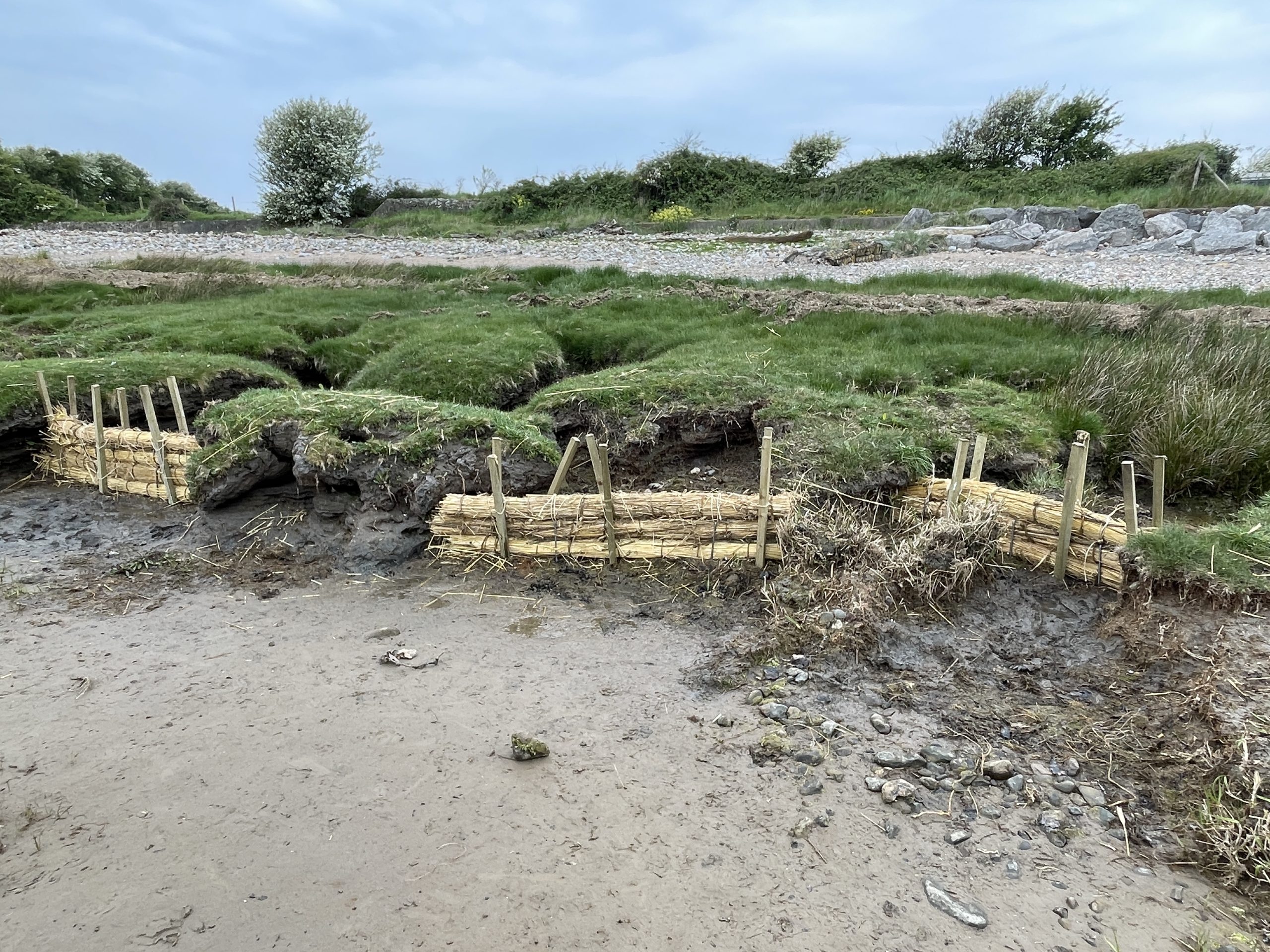
Deploying BESE Elements and Intertidal Fences
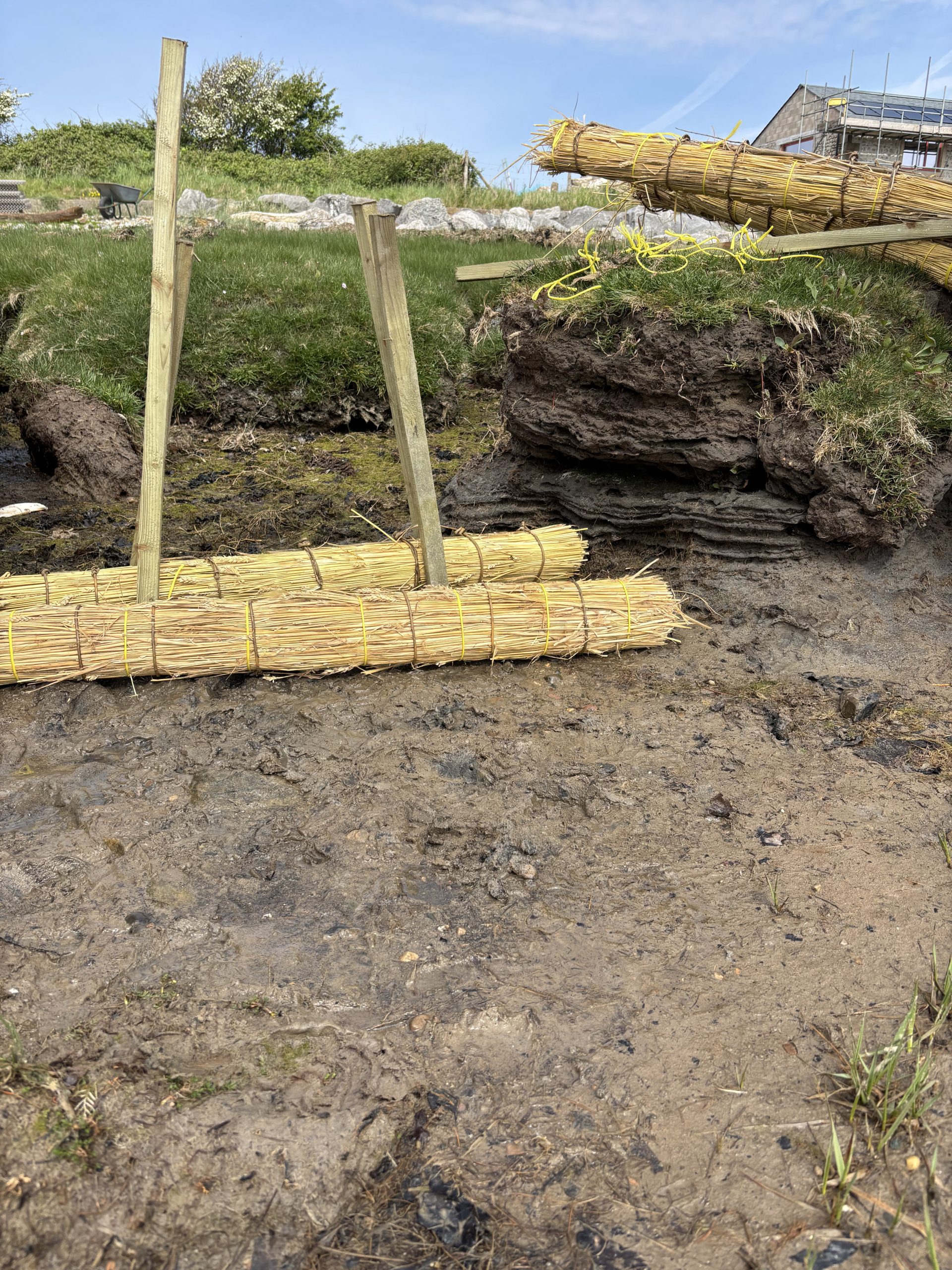
Deploying BESE Elements and Intertidal Fences
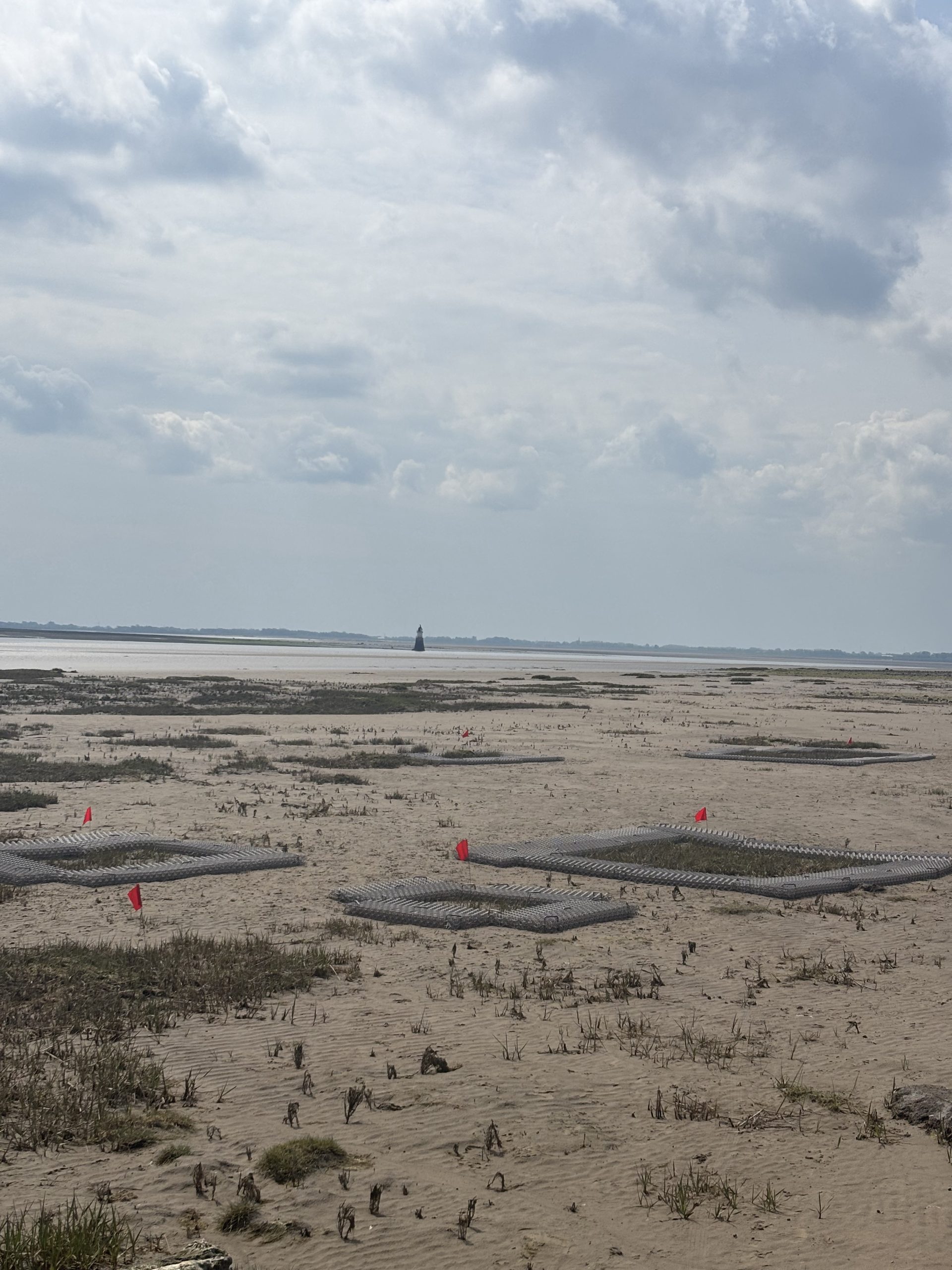
Deploying BESE Elements and Intertidal Fences
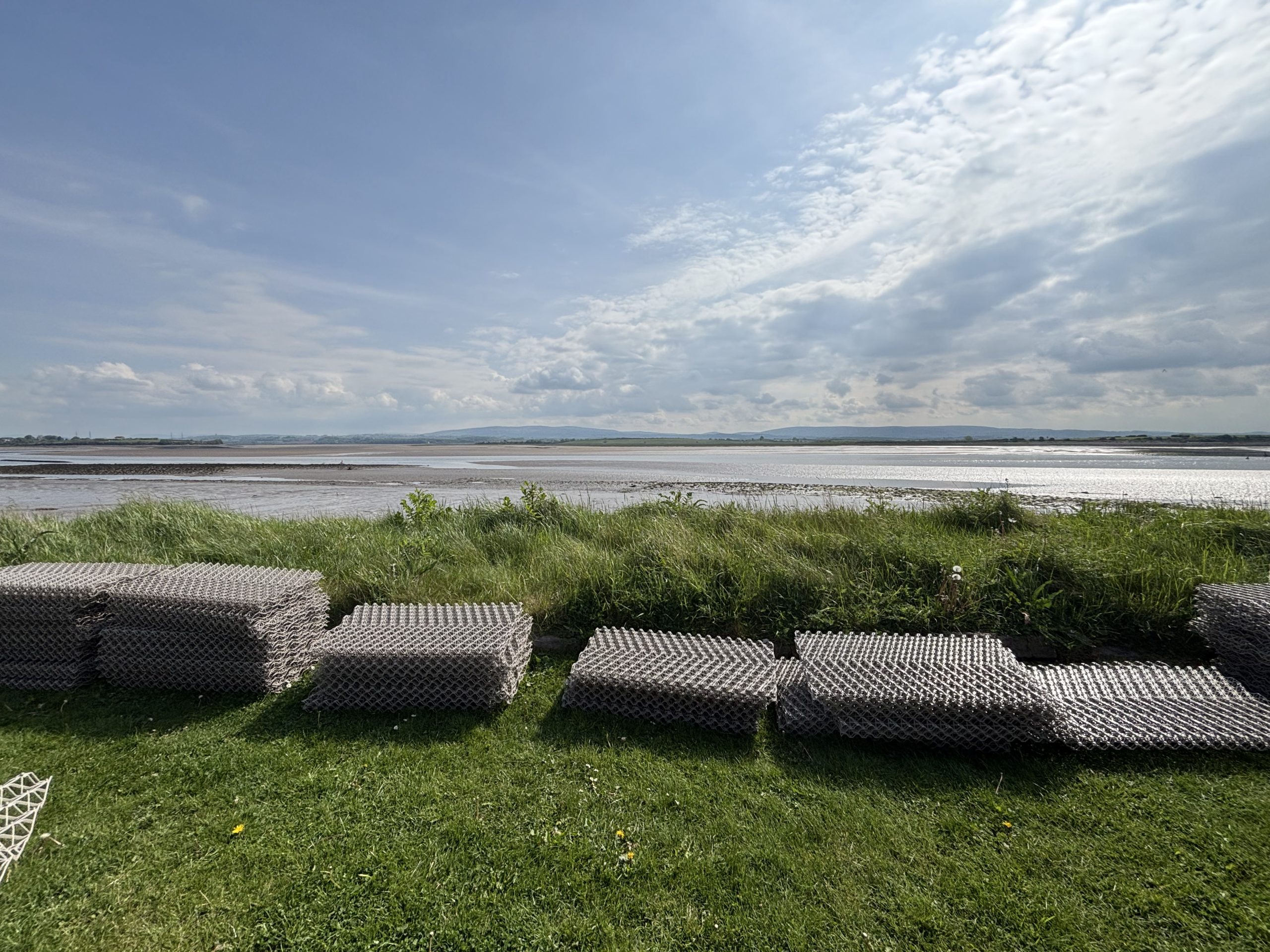
Deploying BESE Elements and Intertidal Fences
To help explore the feasibility of intertidal fences, consultants Haskoning were commissioned to undertake a numerical modelling study. Findings from this study will help inform the next steps, including securing the required permissions and licences.
The Group have many potential barriers and obstacles to overcome before then, but by working together, we hope to make a success of the project and deliver the vision of Our Future Coast.
Please click here to return to the Our Future Coast Homepage
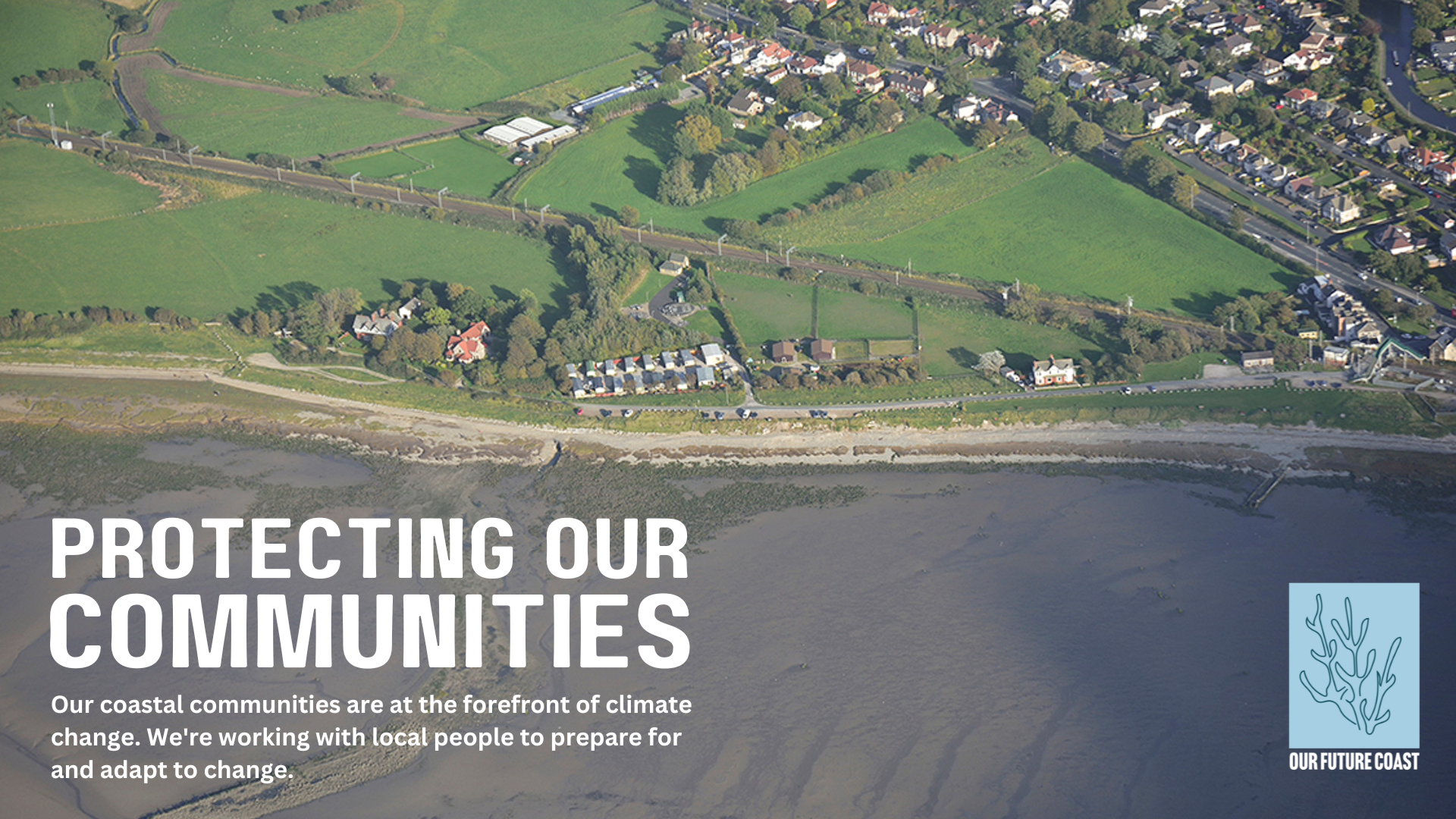
Aerial photograph of the shore at Hest Bank, including the West Coast Main Line railway.
Hest Bank’s saltmarsh has rapidly eroded over the past two decades. Led by Lancaster City Council, the Our Future Coast project seeks to work with the local community to support the saltmarsh to regenerate, restore this internationally important habitat and promote the saltmarsh as a natural coastal buffer against flooding and erosion.
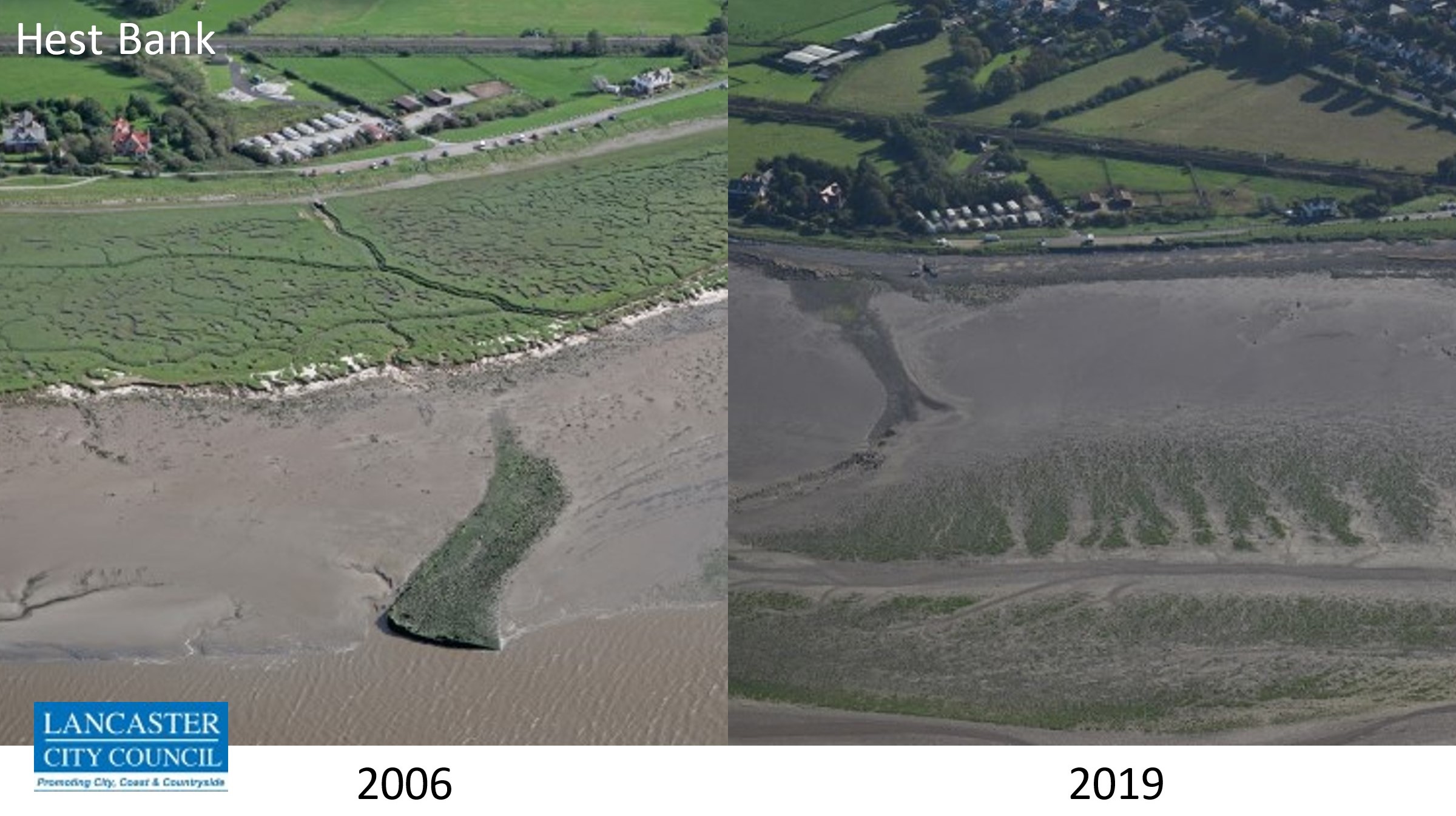
Between 2006 and 2019, Hest Bank’s saltmarsh has been completely eroded, replaced with a mudflat and shingle beach.
Hest Bank is a coastal village between Morecambe and Carnforth in Lancashire. Hest Bank’s coastline once featured an extensive area of saltmarsh, which formed the main coastal buffer against flooding and erosion for the nationally important West Coast Main Line, multiple properties, and various local amenities.
However, the marsh has experienced substantial erosion over the last two decades. Consequently, the coastal infrastructure and community is left vulnerable to flood and erosion risks. Climate change impacts, including sea level rise and the likelihood of an increased frequency and magnitude of storms will only increase these risks.
Past measures to protect the coastline have included rock boulders placed at the top of the beach, yet such hard coastal defence measures are both economically and environmentally unsustainable to build and maintain.
The Our Future Coast project seeks to re-create favourable conditions for saltmarsh regeneration through Nature Based Solutions. These solutions seek to work with natural processes, whereby they help to trap and accumulate sediment, and encourage pioneer plant species to establish.
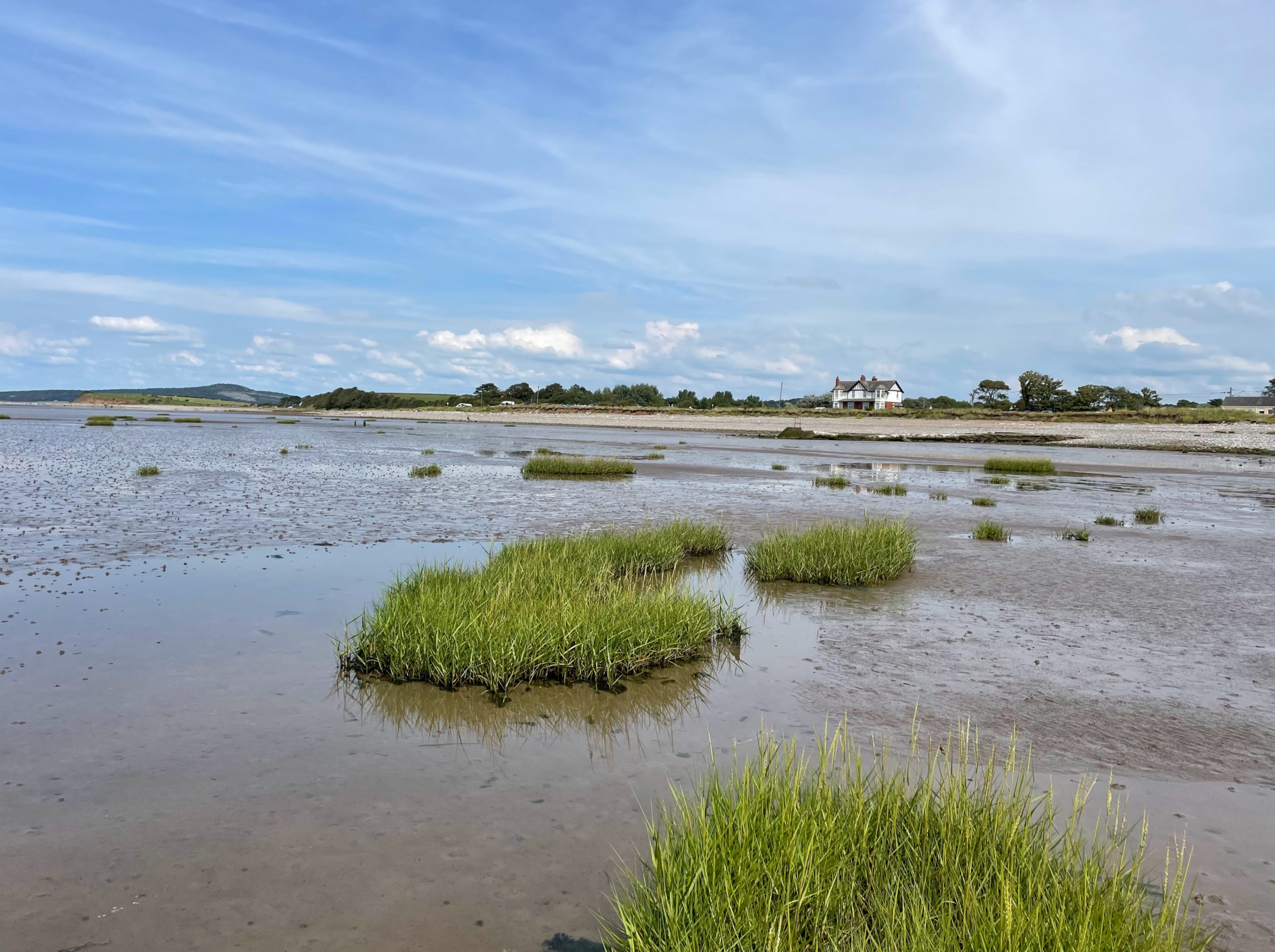
Pioneer Spartina plants growing in clusters on Hest Bank foreshore.
Community engagement is at the heart of the Our Future Coast process at Hest Bank. Consequently, the project has sought to co-design Nature Based Solutions with the local community, academics, artists, designers and consultants.
The co-design process gave people an opportunity to share and contribute their ideas for possible solutions to restore the marsh. Solutions were also informed by Coastal Nature Lab, an initiative at Lancaster University testing the use of natural materials and structures to restore saltmarsh.
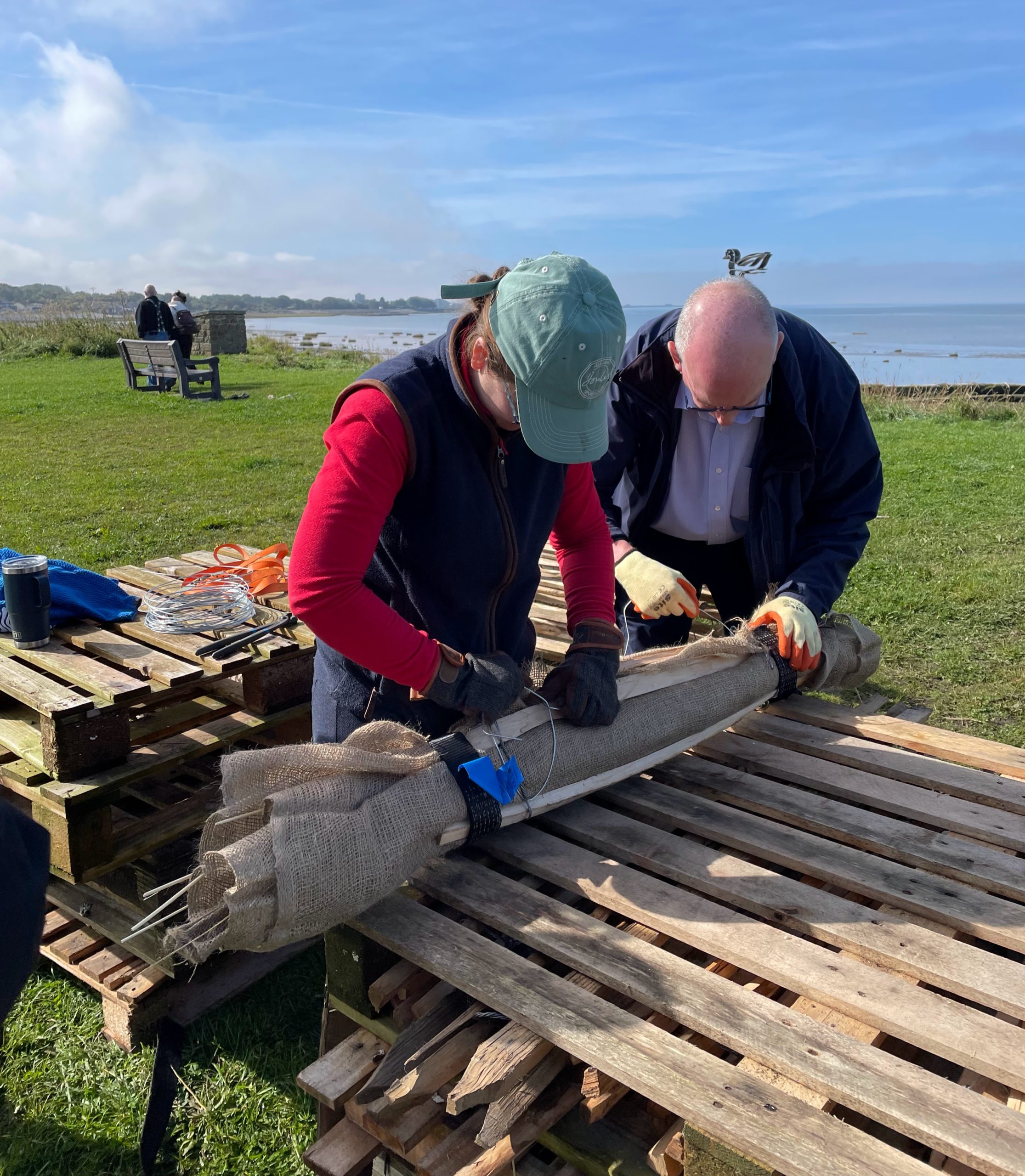
Build structures that could support saltmarsh restoration.
Solutions emerging from the co-design process included willow baskets, thatched tubes, woven rope patterns, potato starch lattices and wooden structures. Public workshops were held in Summer 2024 to build the structures.
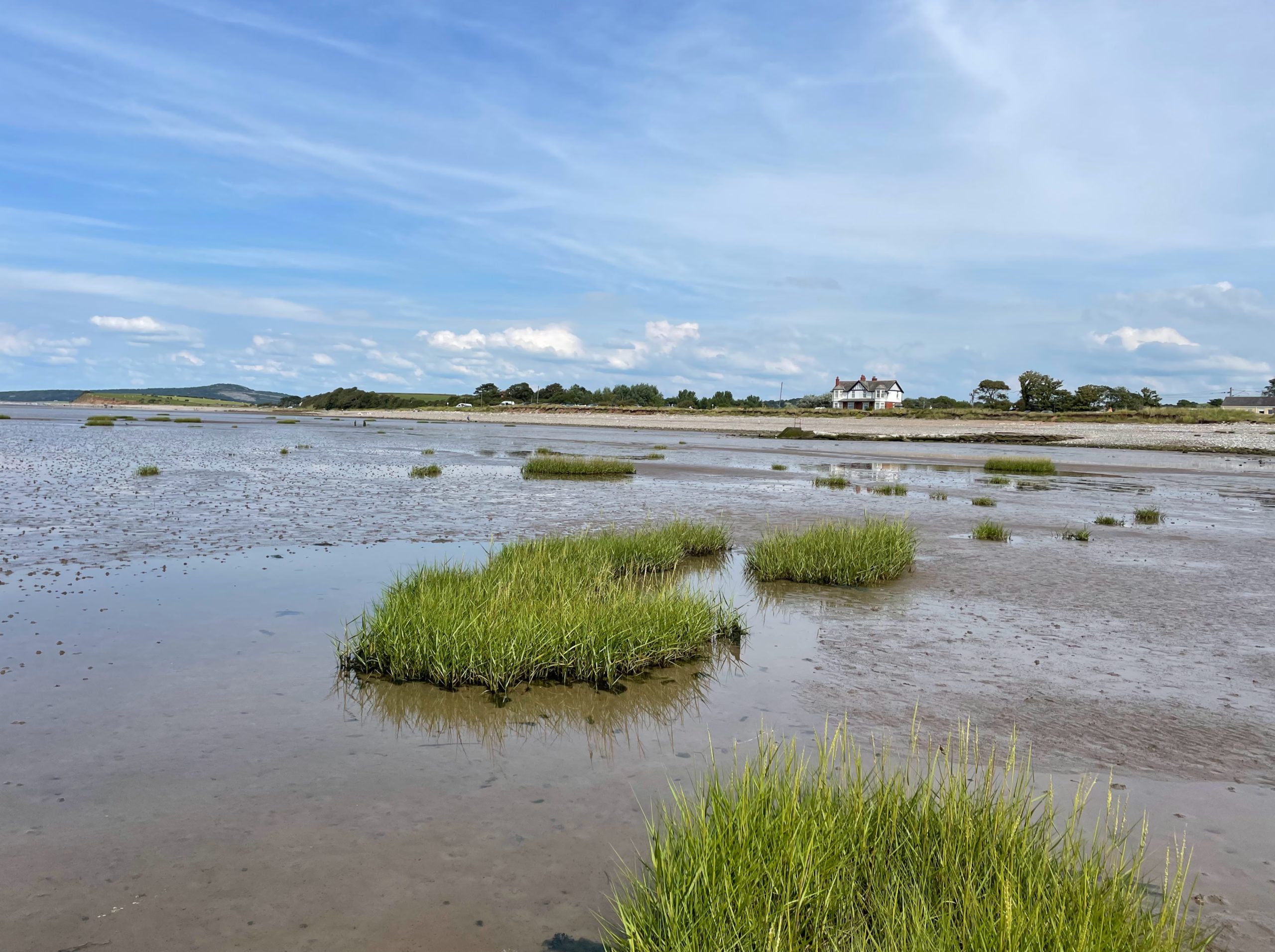
Pioneer Spartina plants growing in clusters on Hest Bank foreshore.
Deployed on Hest Bank’s foreshore in Autumn 2024, the structures are being monitored over the Winter and Spring to understand their effectiveness.
Learning from the trial will help to inform future deployments in 2025. For more information about the project, please click here.
To find out how you could be involved, please use the link to sign up to periodic newsletters: click here.
Please click here to return to the Our Future Coast Homepage
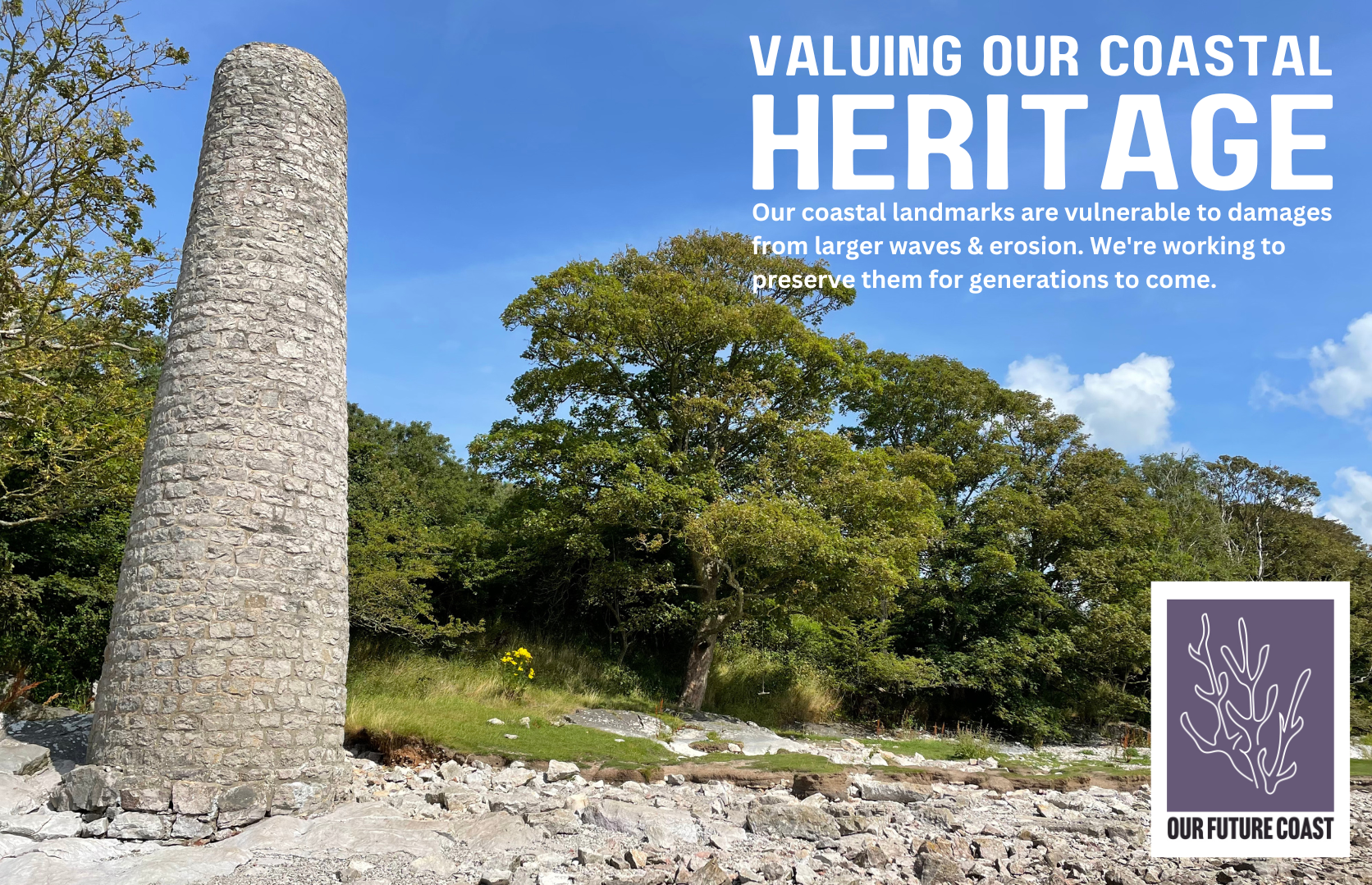
The grade two listed chimney exposed on its limestone bedrock at Jenny Brown’s Point.
Loved by the community and a key feature of Silverdale & Arnside’s National Landscape, the grade two listed chimney at Jenny Brown’s Point is threatened by erosion. Led by Lancaster City Council, the Our Future Coast project seeks to work with the local community to regenerate the saltmarsh around the chimney and restore a natural buffer between the structure and erosive waves.
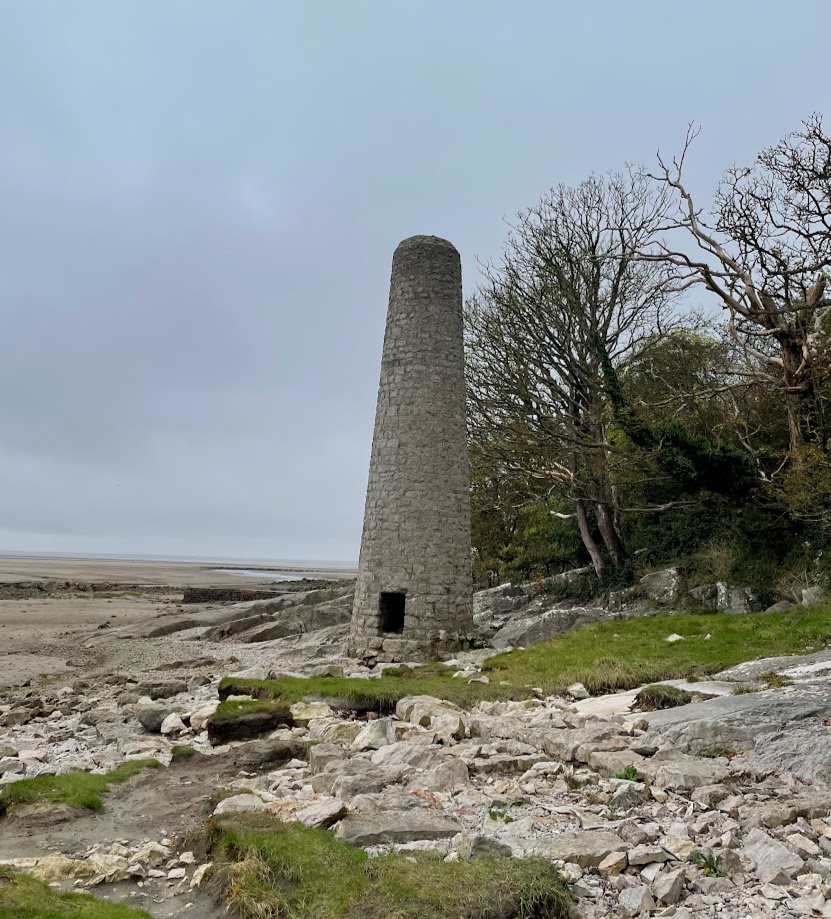
Remnants of saltmarsh around the chimney.
The chimney at Jenny Brown’s Point holds a strong historical and cultural value. It was likely built as part of a nearby furnace for roasting copper and iron ores in the late 18th century, falling into disuse shortly afterwards. Now a grade two listed structure, the chimney has been the focus of archaeological digs and has become a prominent part of the Silverdale & Arnside National Landscape’s identity.
However, the chimney’s longevity is at risk. The saltmarsh at Jenny Brown’s Point, which once protected the chimney, has experienced substantial erosion. The chimney now stands vulnerable on its limestone bedrock, exposed to direct wave attack and undercutting during high tide. Rising sea levels driven by climate change will only increase this vulnerability.
The Our Future Coast project seeks to work with natural processes to find sustainable solutions which protect the chimney. Various low-cost and small-scale Nature Based Solutions will be tested and trialed. Solutions will seek to regenerate the saltmarsh around the chimney, restoring the saltmarsh as a buffer to wave energy and protecting the long-term future of the chimney.
Our Future Coast is aiming to re-create favourable conditions for saltmarsh regeneration through Nature Based Solutions. These solutions seek to work with natural processes, whereby they slow the speed of tidal flows, help to trap and accumulate sediment, and encourage pioneer plant species to establish.
Solutions will be non-invasive, constructed from natural materials and be ecologically sound. It is also hoped that the solutions will be constructed, installed and maintained by volunteers.
Possible designs to restore the saltmarsh have been sought through a co-design approach, whereby local people had the opportunity to share and contribute their ideas with the project team. Once installed on the shore, solutions will be monitored and removed if they are deemed detrimental to the surrounding environment.
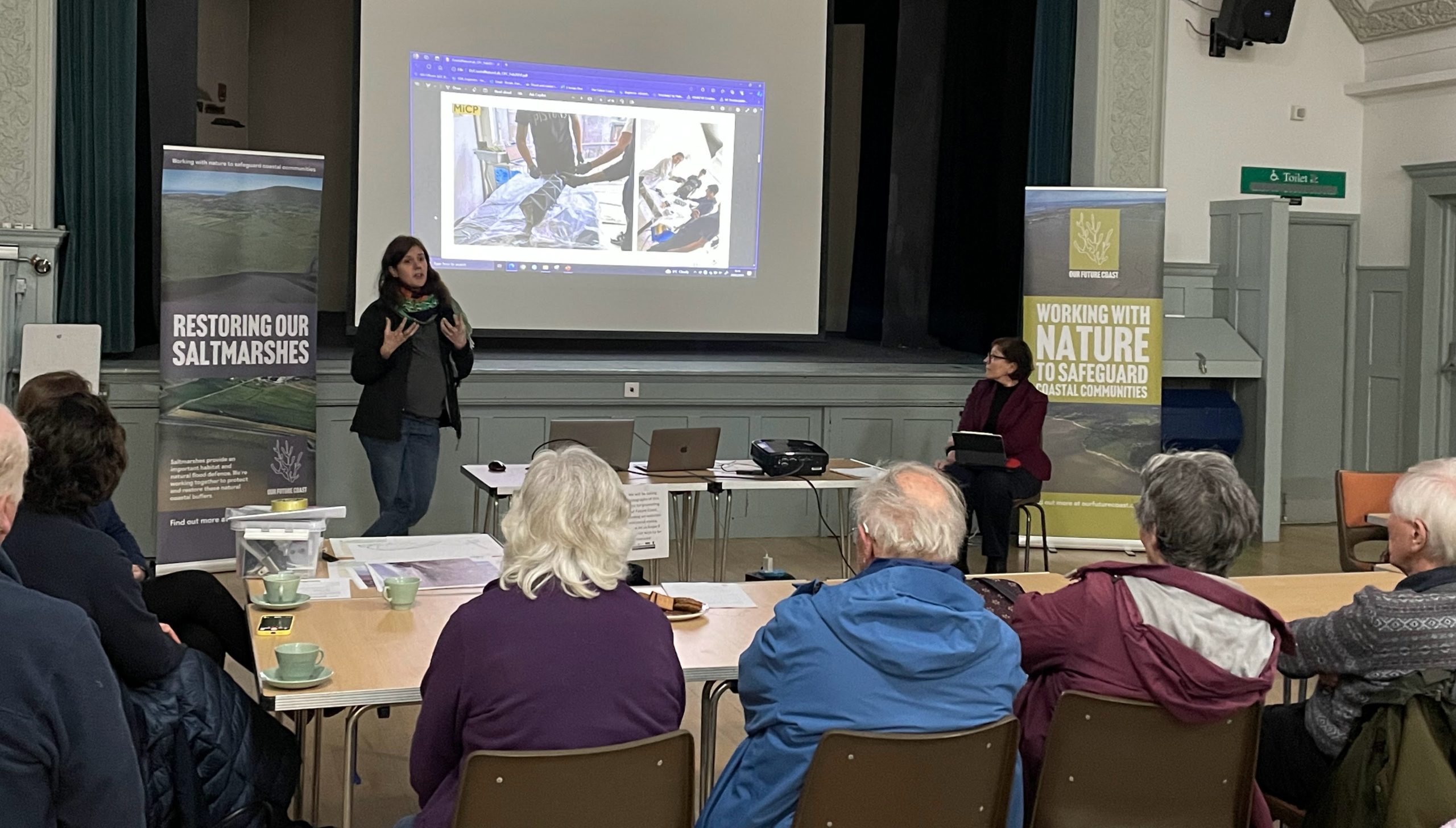
Discussing and designing possible Nature Based Solutions to be implemented
Community engagement is at the heart of Our Future Coast. The project is learning from the local community about coastal change, share information about saltmarshes and work with volunteers to co-design, construct and install the Nature Based Solutions.
A co-design workshop was held in February 2024 to discuss and design possible Nature Based Solutions which could be implemented around the chimney Jenny Browns Point.
For more information on the Jenny Brown’s Point project, please click here.
To sign up to a periodic email newsletter about the Jenny Brown’s Point project, please click here.
Please click here to return to the Our Future Coast Homepage
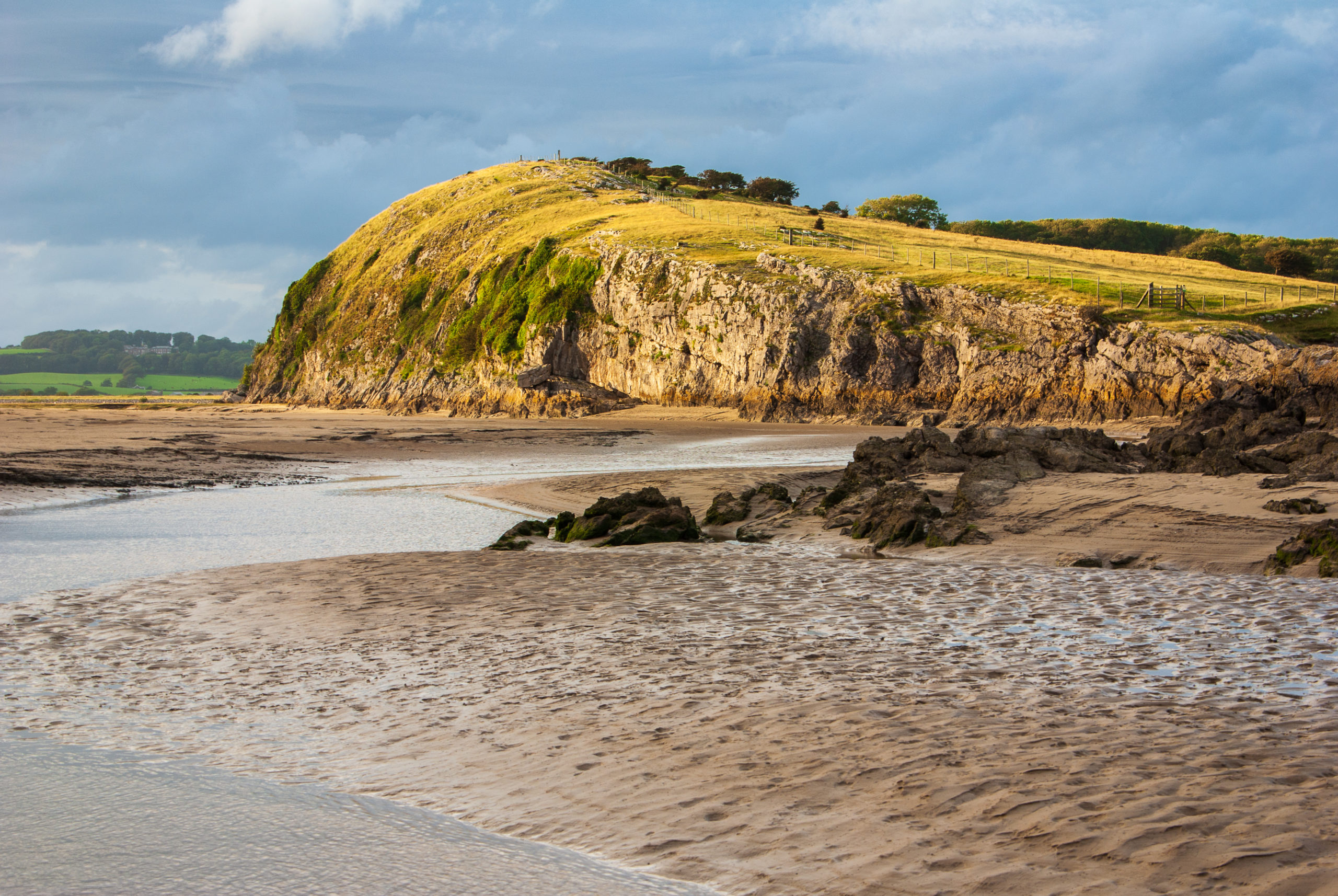
The sands and saltmarsh around Humphrey Head
Humphrey Head is a limestone headland on the northern shores of Morecambe Bay. Saltmarsh wraps around the headland, offering a biodiverse habitat and coastal buffer to waves and erosion. Our Future Coast is working with local stakeholders to explore the feasibility of creating new saltmarsh habitat by realigning a flood embankment.
The saltmarsh at Humphrey Head has grown significantly over the past few decades. However, nationally, saltmarsh habitat is in decline, lost to sea level rise and other human impacts. Our Future Coast is seeking to understand the feasibility of creating new saltmarsh habitat on the western margins of Humphrey Head.
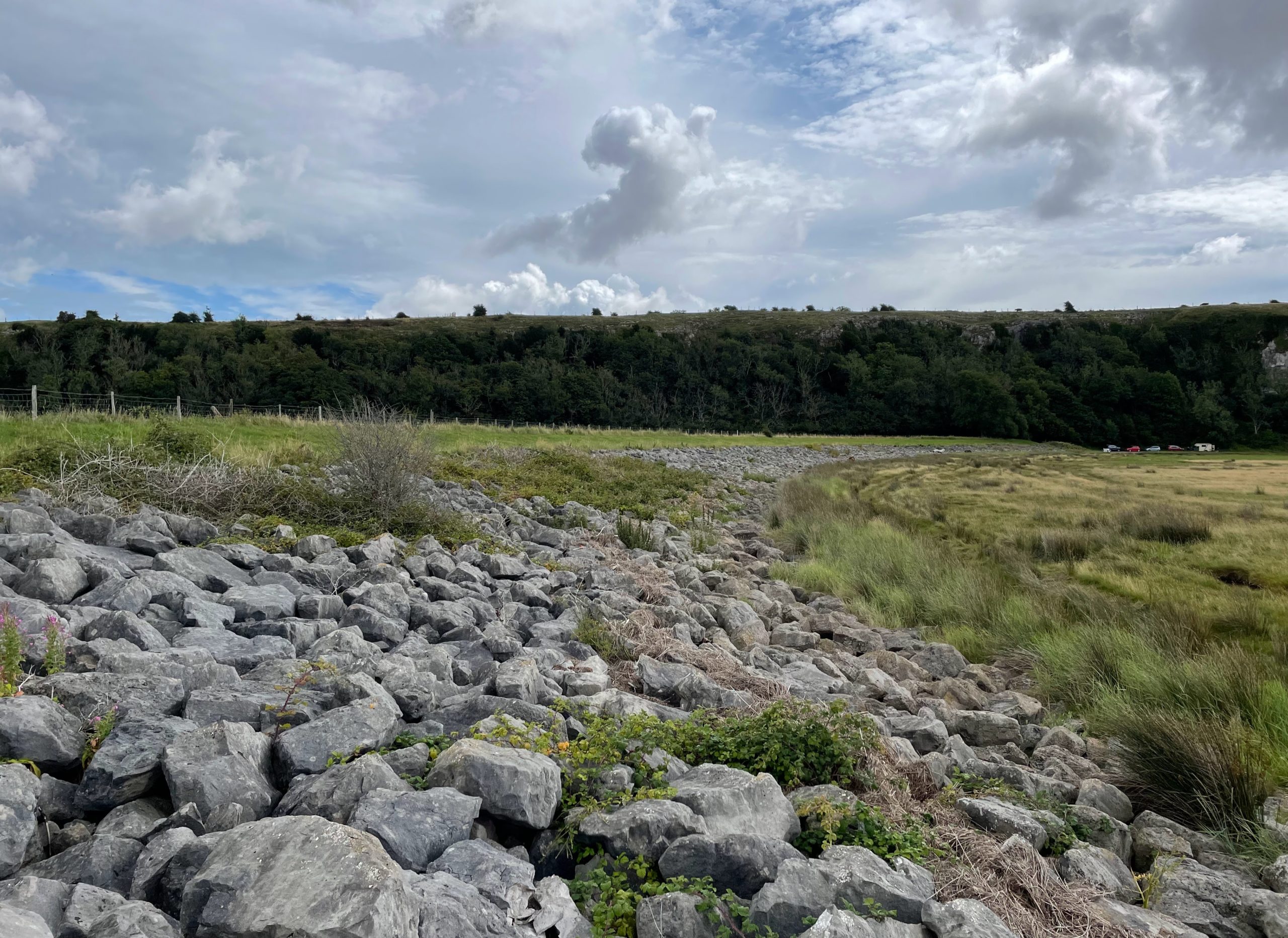
Humphrey Head Rock Embankment
The western edge of Humphrey Head is currently farmed and protected from flooding by a large rock embankment. But, the embankment needs significant work to maintain its current level of protection.
The Shoreline Management Plan, which sets out a 100-year strategic approach for managing the coastline, calls for the embankment to be realigned.
The Our Future Coast project is procuring a feasibility study to explore possible options to realign the embankment and create new valuable saltmarsh habitat behind it.
Key to the Our Future Coast approach is to engage with key stakeholders early and ensure everyone has an opportunity to contribute. At Humphrey Head, Our Future Coast is working with the local farming community and landowners to ensure that any proposals are economically viable.
Consequently, the feasibility study will explore economic opportunities to fund managed realignment at the site, including Biodiversity Net Gain (BNG), Countryside Stewardship schemes, or Carbon Credits.
Please click here to return to the Our Future Coast Homepage
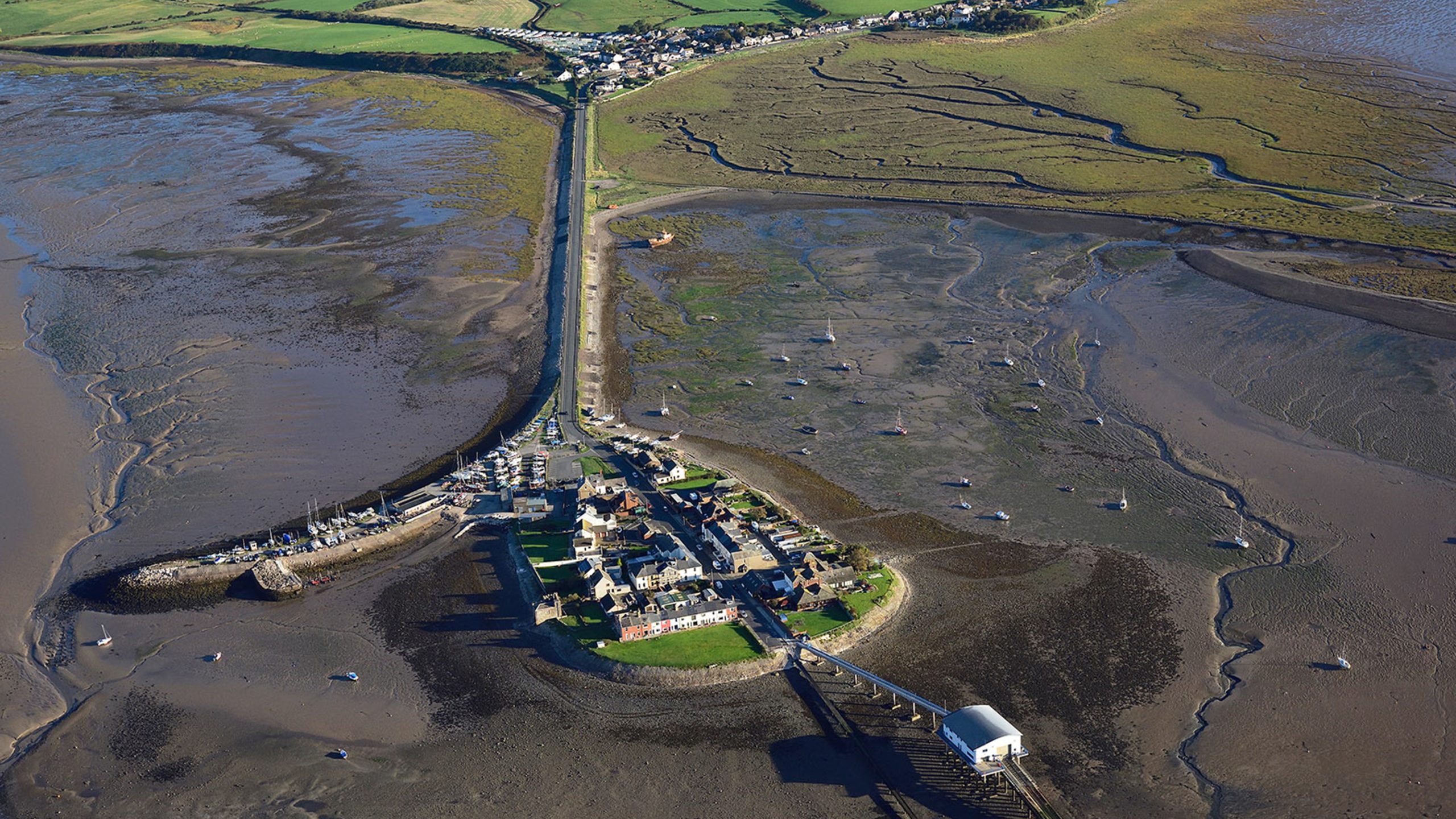
Aerial image overlooking Roa Island
Roa Island causeway on the Barrow-in-Furness peninsula links Roa Island to the mainland at Rampside, and is a vital connection for the livelihoods of Roa inhabitants and key local services. But, the causeway is vulnerable to flooding and breaching from waves. Our Future Coast aims to work with the local community here to better understand how the coast is changing and design potential Nature Based Solutions together.
Connected to the mainland by a causeway, Roa Island sits to the south of Rampside village on the edge of Piel channel. The causeway is flanked by biodiverse marine habitats including saltmarsh and sea grass.
The causeway is protected by a patchwork of aging hard defences, leaving it vulnerable to flooding and breaching by wave attack during storms. Rising sea levels and increased frequency and magnitude of storms driven by climate change will only increase this vulnerability. Consequently, it is important that measures are taken to protect the causeway and the community it serves.
Working with Westmorland & Furness Council, Our Future Coast is exploring options to help expand saltmarsh habitat around the causeway. This will help to provide a buffer to erosion and protect the causeway into the future.
The project will work with local people and key stakeholders to explore local concerns and collaboratively gather knowledge, undertake monitoring to understand how the local coast is evolving, and work together to discuss and design potential solutions and funding possibilities.
Please click here to return to the Our Future Coast Homepage
Seagrass exists on all coastlines of the UK and can form dense underwater meadows which provide a habitat for intertidal and coastal species, drawing carbon down from the atmosphere and providing protection from coastal erosion. Like many coastal habitats, seagrass meadows have suffered significant declines over the last century, due to a range of pressures which persist today.
The Walney Channel was, until recently, the only known area where seagrass existed in the north west and the only historically recorded area in Cumbria. It has meadows of both seagrass species which exist in the UK, and cover in the area has declined by up to 60% over the past century. The site is in an industrial area of the channel, where sewage inputs, modern developments, channel dredging and smaller mooring and boating activity all occur.
The Walney Channel seagrass restoration project has three main objectives:
The project is currently evaluating the outcomes of the first two small-scale planting trials which occurred over winter – spring 2024-2025 and winter – spring 2025-2028. Excitingly the project is currently trialling transplants as an alternative method to restore which has shown good success in other projects. The project is also continuing investigations into conditions at the site, including:
The project is continuously open to volunteers; if you are interested in marine restoration, research or being involved in your local coastline and its wildlife, please follow the link to get involved here.
To read more about seagrass and the restoration project, you can visit the Living Seas website here.
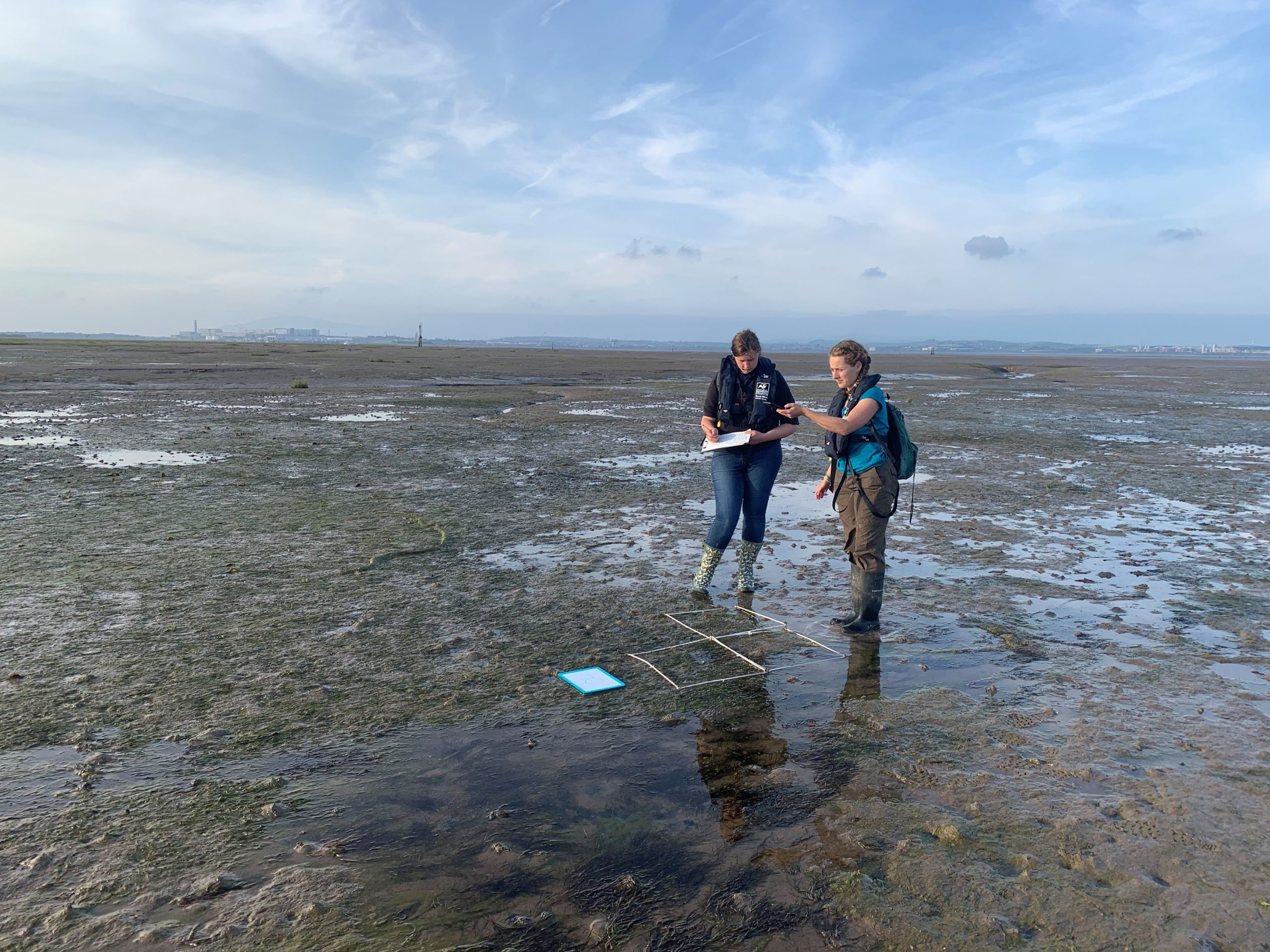
Seagrass in the Walney Channel
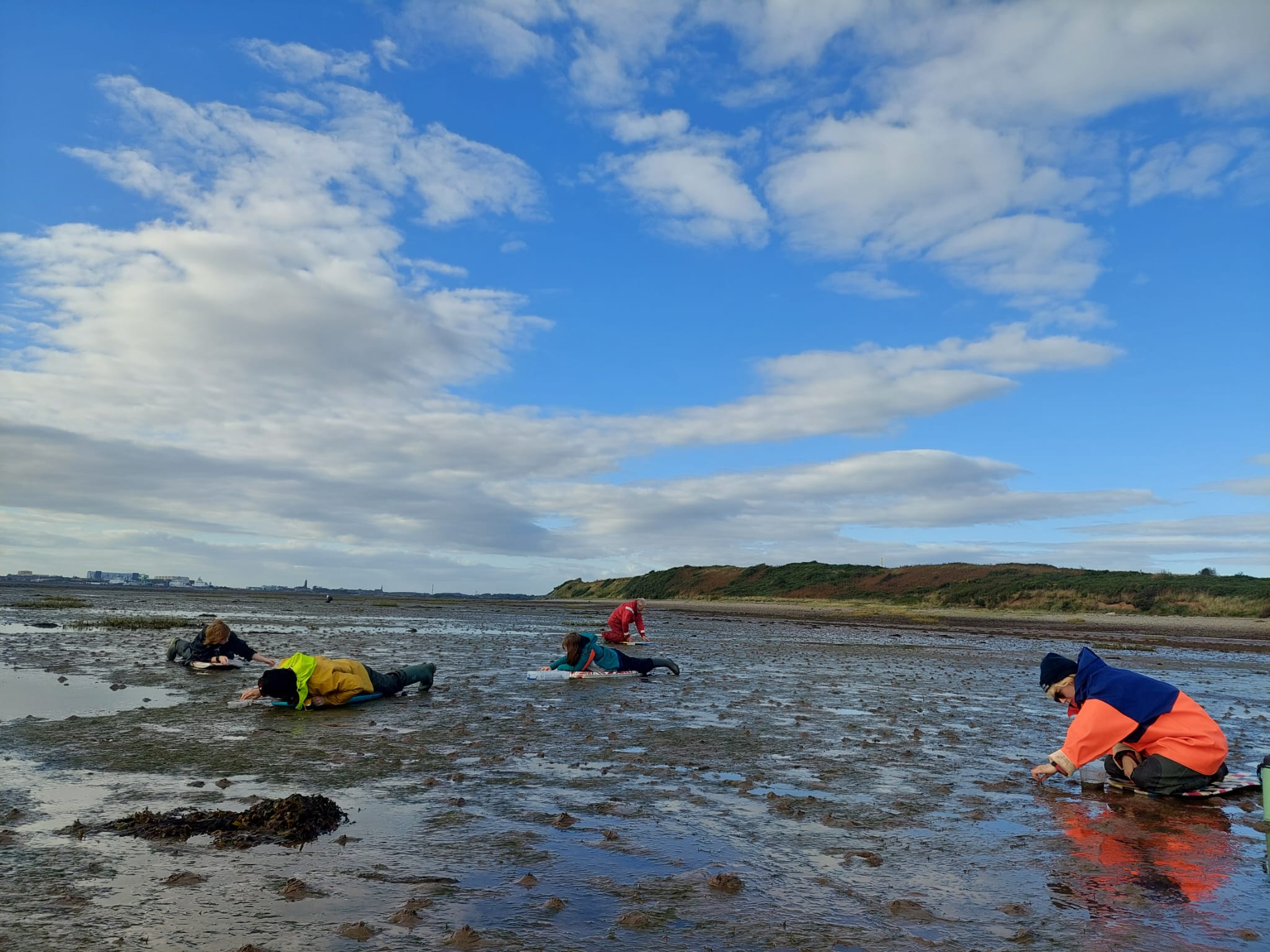
Seagrass community action – seed picking on bodyboards!
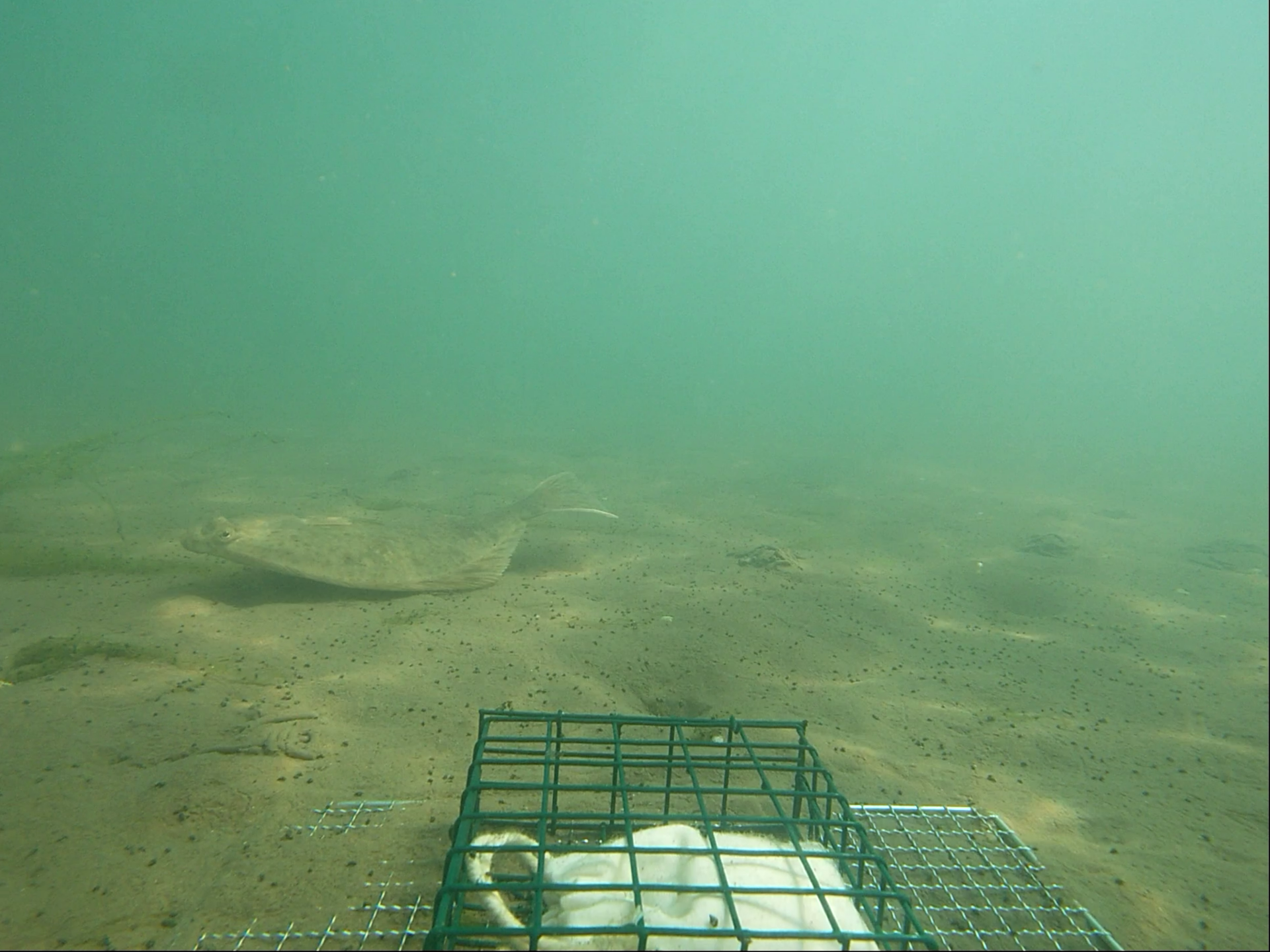
Wildlife found on seagrass meadows
Please click here to return to the Our Future Coast Homepage
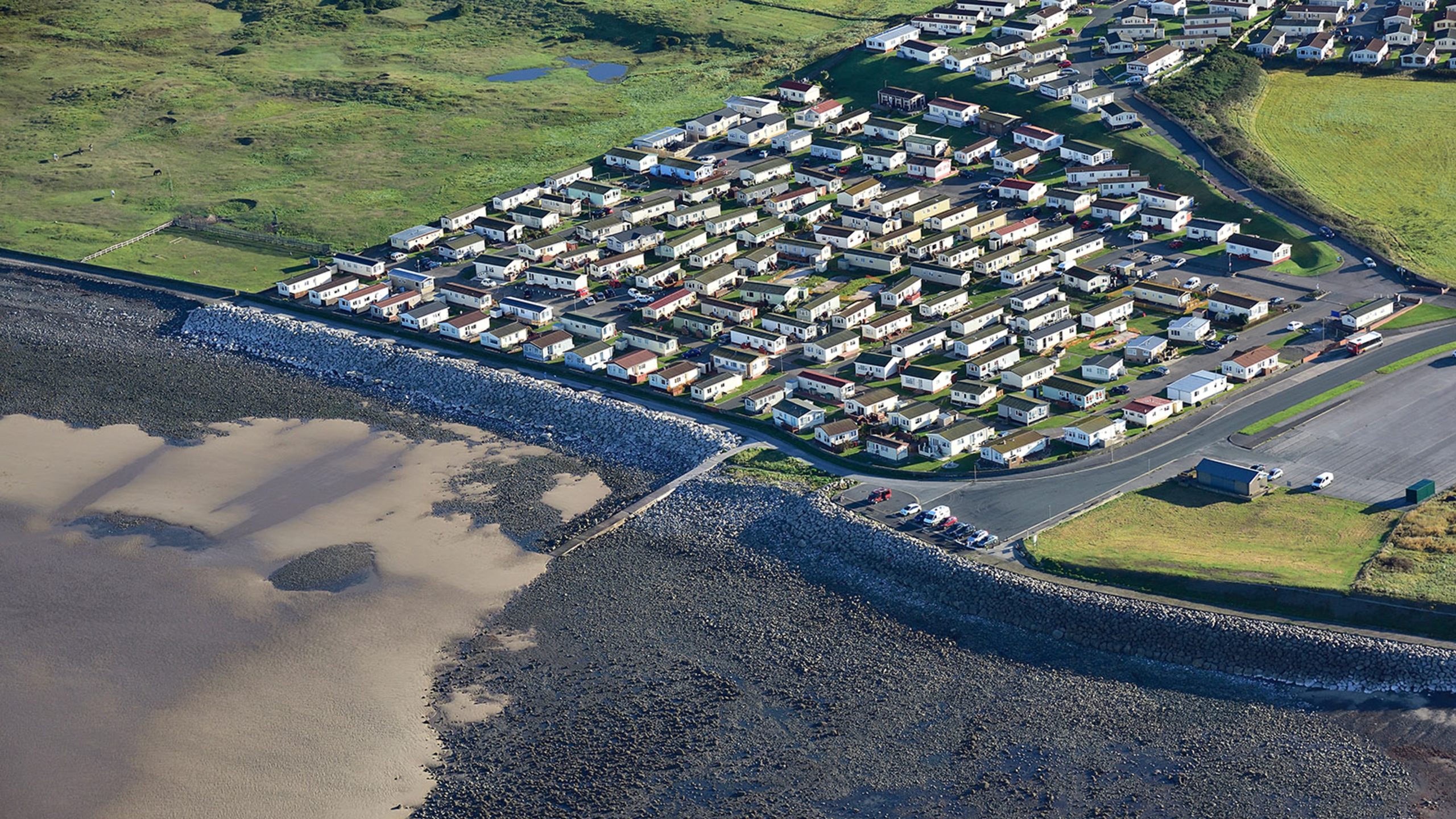
Aerial image overlooking Earnse Bay, including West Shore Park residential site.
Walney Island’s West Shore is a well-loved recreation site and home to a community of residential chalet owners on West Shore Park. The coastline is fast eroding, with hard defence measures put in place to protect the community.
Longer term, the area is predicted to face an increased flood and erosion risk from climate change.
Our Future Coast is working with local stakeholders to help the community adapt to these risks over the coming decades.
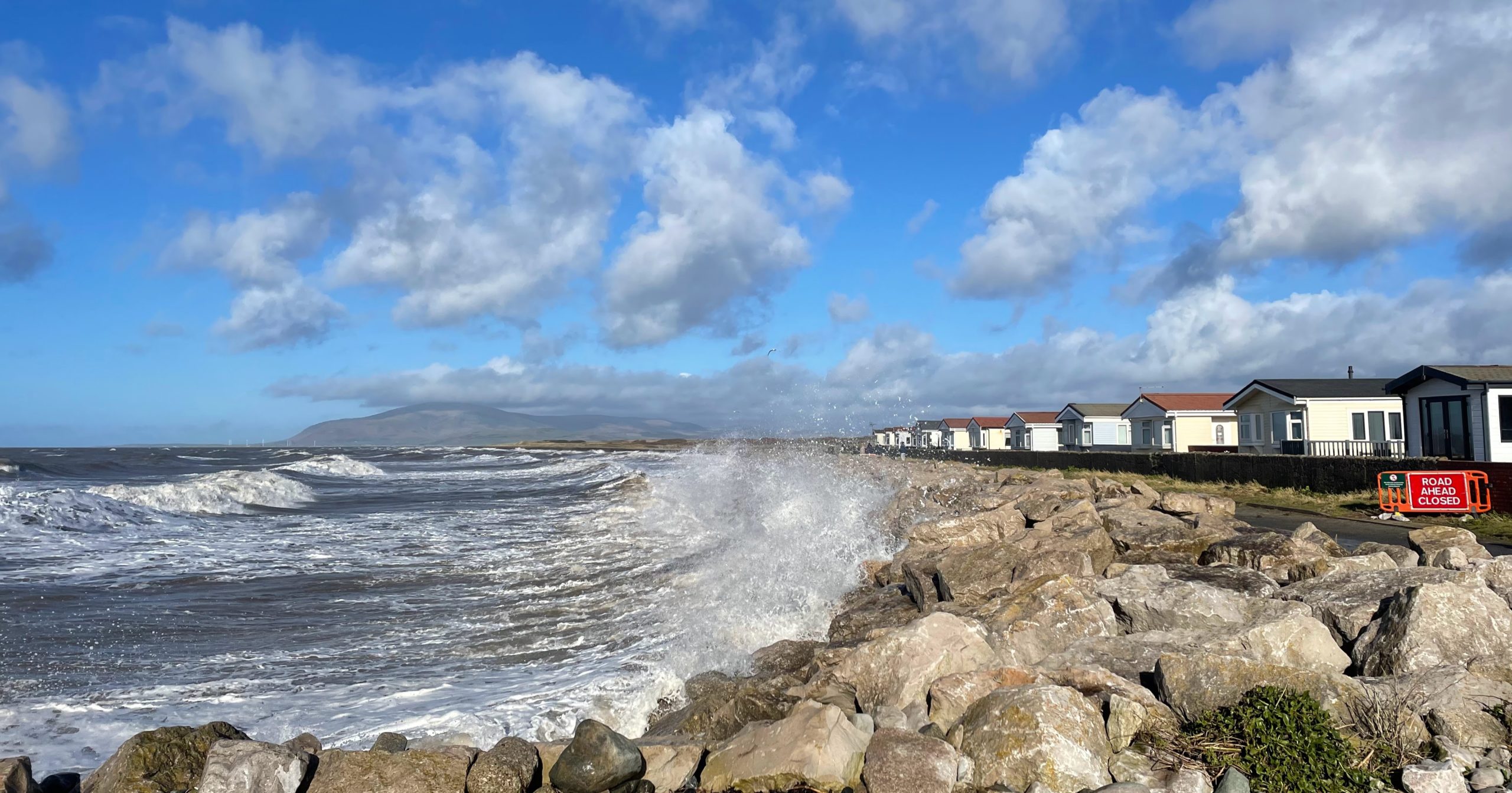
High tide against the rock armour in from of West Shore Park
Walney Island has experienced erosion for at least the last 150 years. Various hard defences have been built to protect against this erosion in Earnse Bay.
A fishtail groyne was built in the early 1990’s to stabilise the beach, whilst rock armour was installed in front of West Shore Park in 2014 as a physical barrier to erosion.
Yet, erosion has continued to the North of the site, with the access road to the North Walney Nature Reserve lost to the sea in recent years.
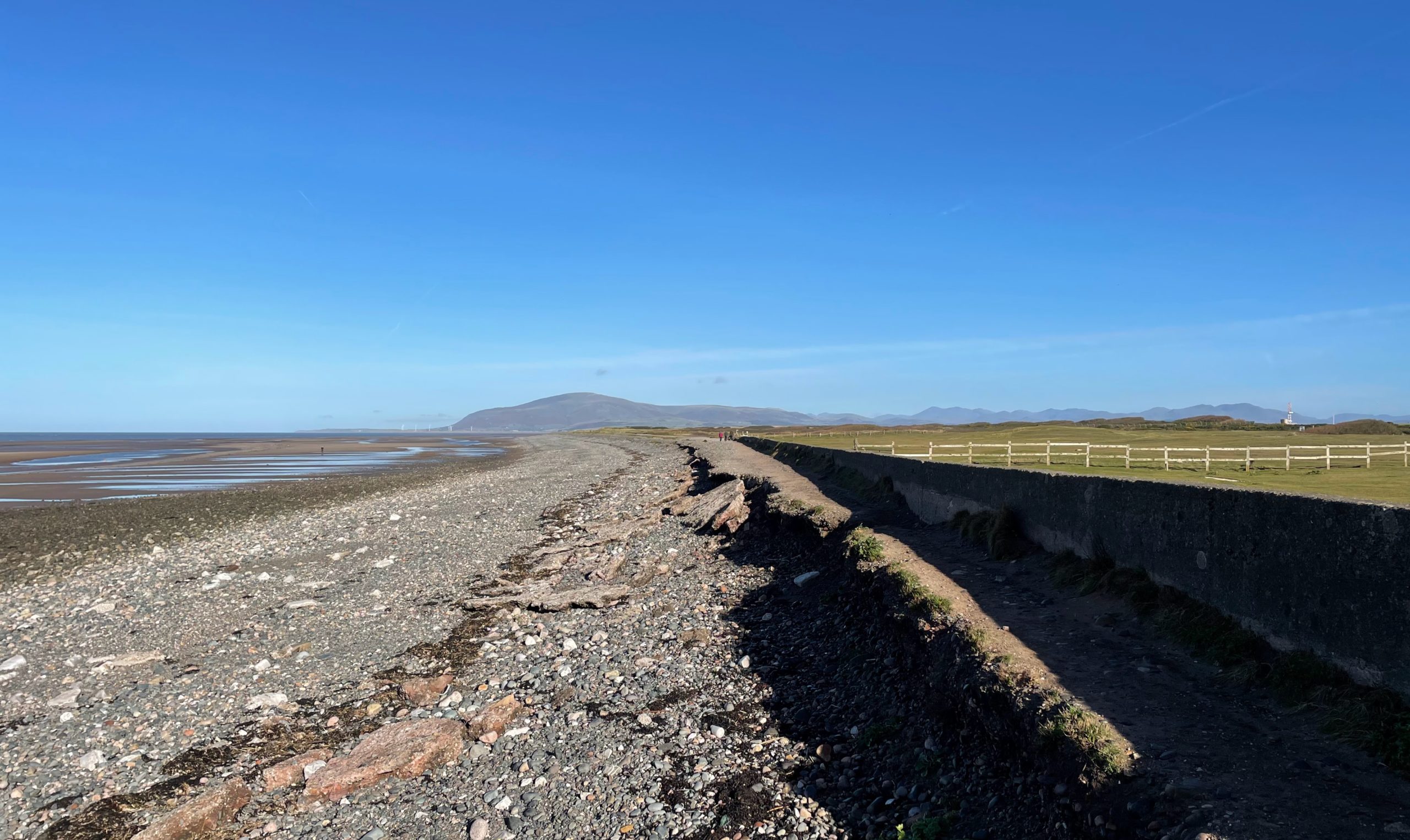
Erosion to the North of West Shore Park
The risk of erosion and flooding is only expected to increase with climate change. It is paramount that alternative solutions are found to adapt to the challenges.
However, Government funding cannot be sought to build more hard coastal defences. Moreover, the Shoreline Management Plan, which sets out a 100-year strategic approach for managing the coastline, calls for a Managed Realignment of the coast.
Managed Realignment involves changing the position of the shoreline in a controlled way, such as creating areas of habitat to help manage flooding or building new defences inland.
Our Future Coast is working with local stakeholders to better understand flooding and erosion risks at the site, and identify economically and environmentally feasible solutions that could help to manage coastal change today and into the future.
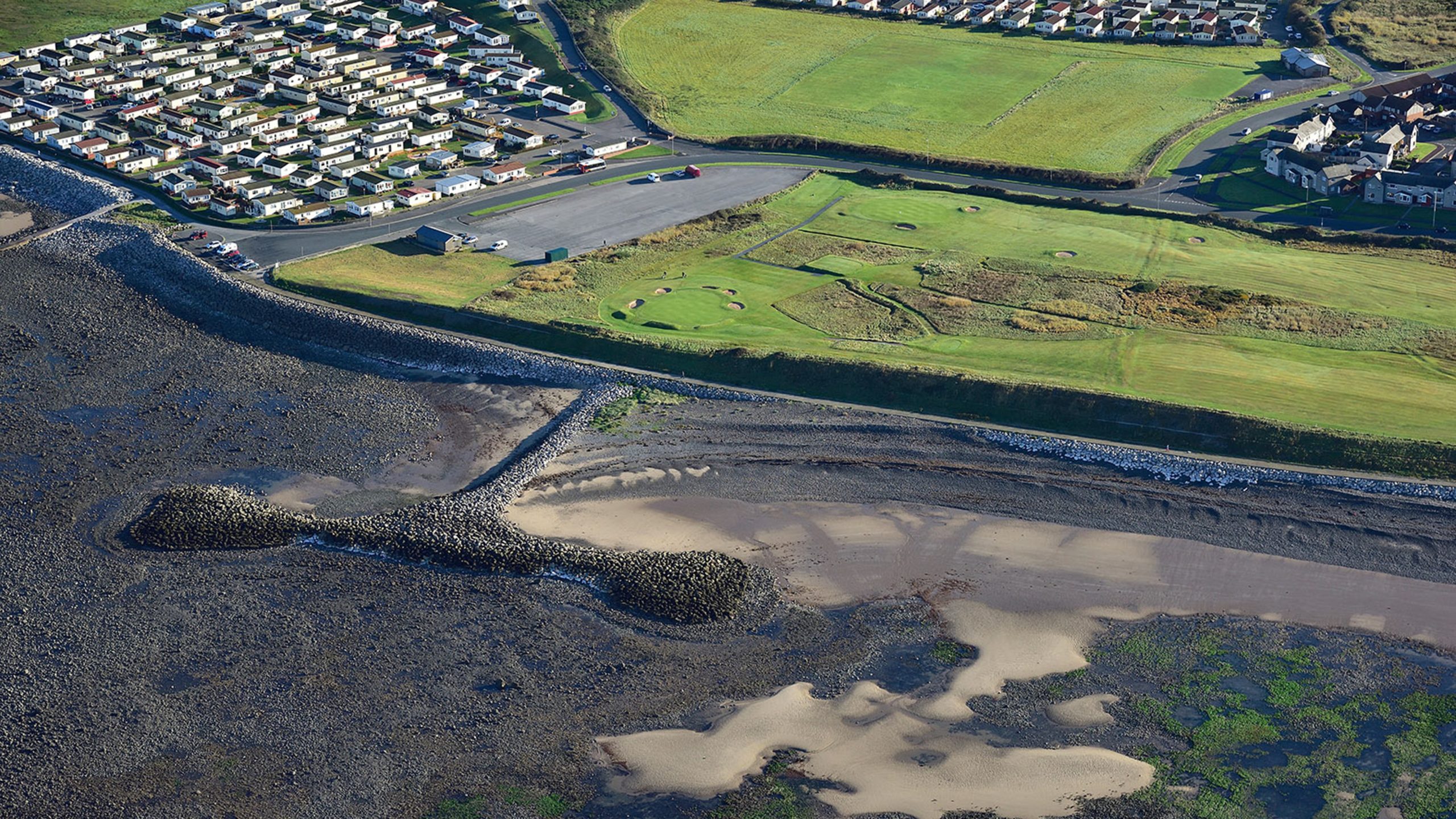
The fish tail groyne built in the early 1990’s. Our Future Coast is procuring a study to explore the effects of the groyne on local coastal processes.
Solutions could include Nature Based Solutions to slow erosion in the short term. Unlike traditional hard defences (e.g. a sea wall), Nature Based Solutions aim to work with, rather than against, natural coastal processes to provide habitat and flood alleviation benefits.
Innovative coastal monitoring using radar is helping to inform which solutions could be most appropriate, by providing new insights on local currents, waves and sediment movement.
Longer term, it is vital that everyone works together to form a plan to adapt to the changing coast: https://thefloodhub.co.uk/learn/#section-6.
Please click here to return to the Our Future Coast Homepage
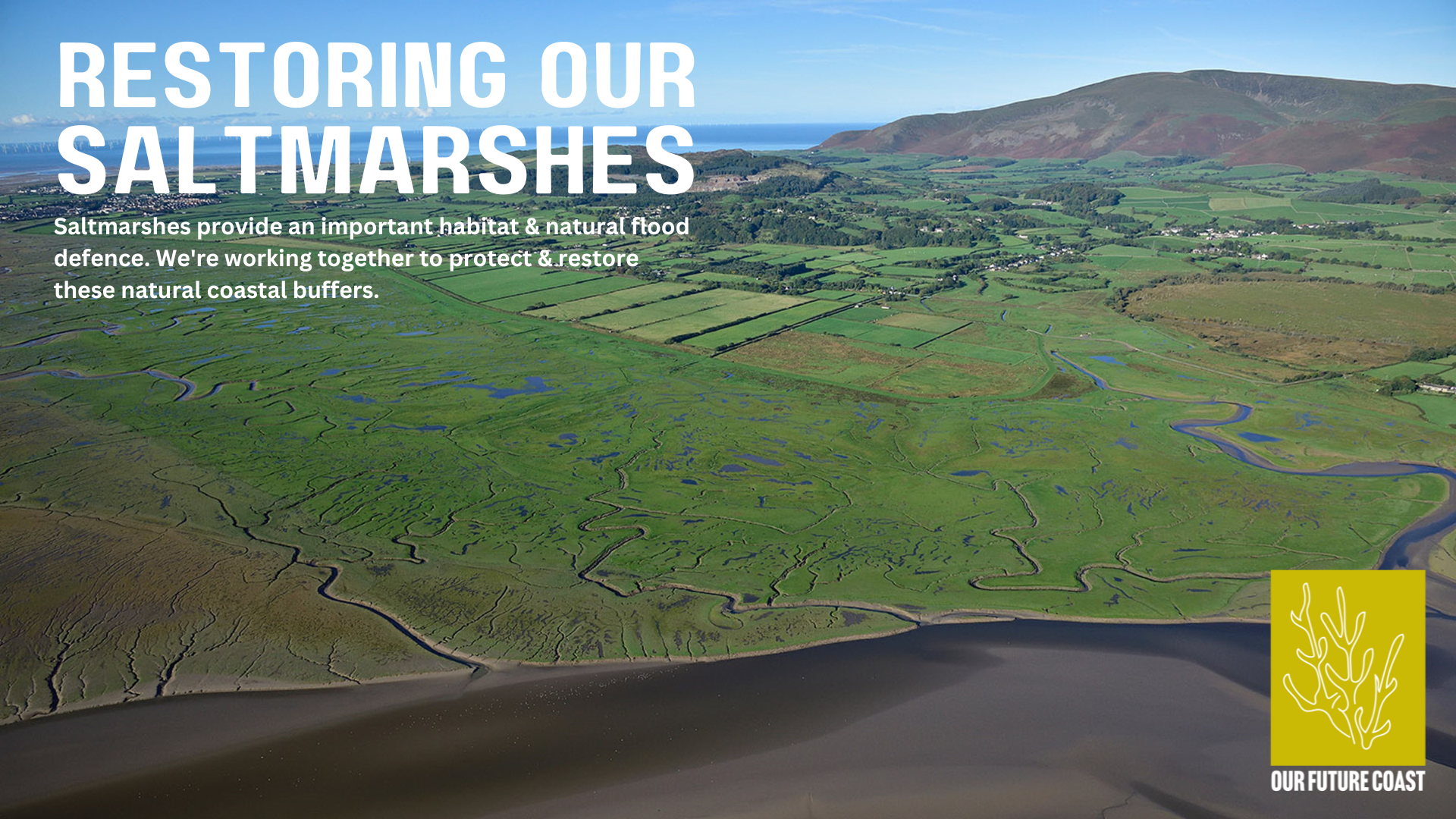
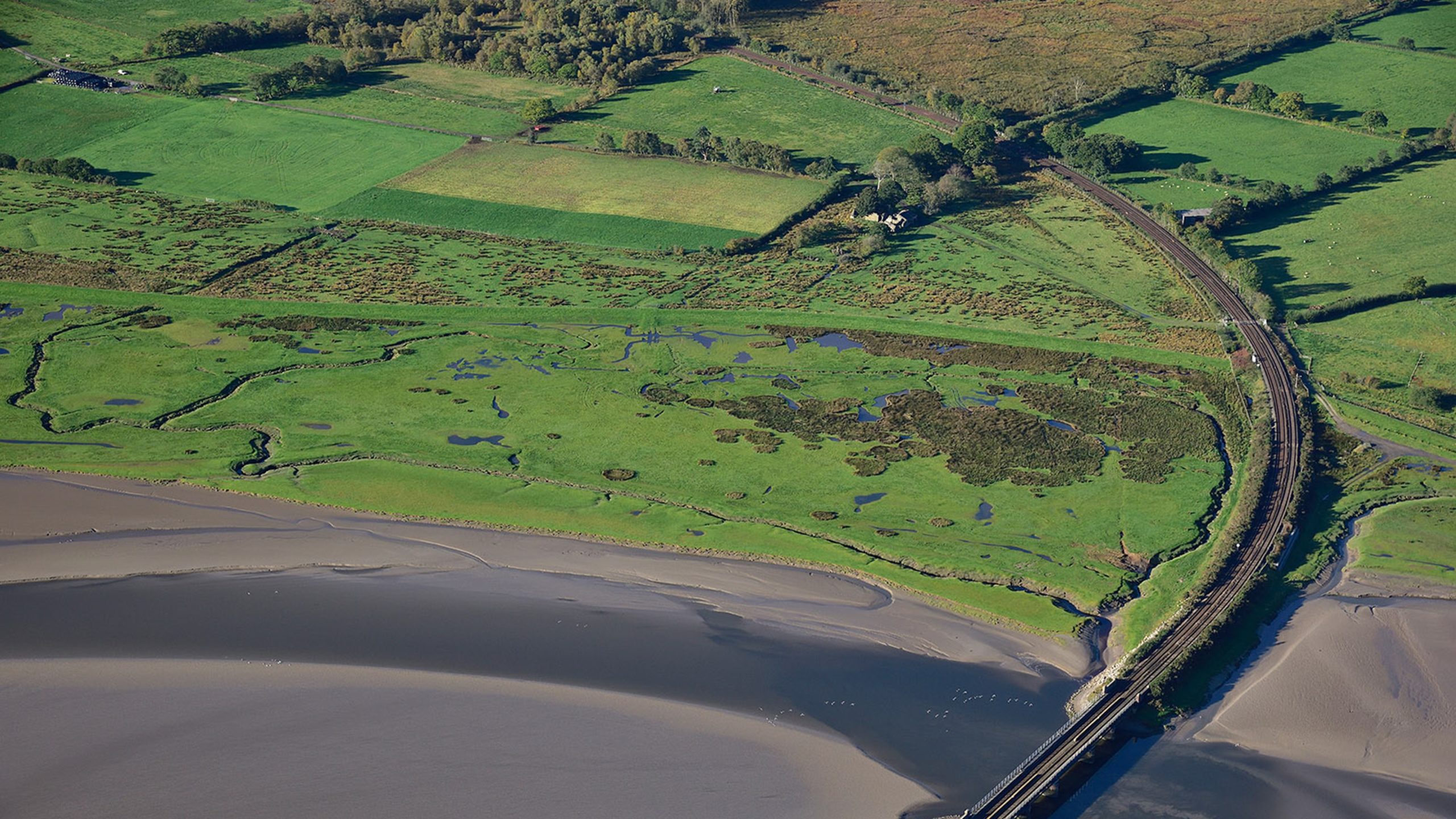
Aerial photograph of Millom Marshes in the Duddon Estuary, Cumbria
Millom Marshes is an expansive area of saltmarsh on the right hand bank of the Duddon Estuary. Our Future Coast is working with stakeholders to better understand and plan for future coastal change in the local area using Nature Based Solutions.
Millom Marshes is an expanse of saltmarsh at the mouth of the River Duddon, stretching for several miles from Foxfield Viaduct to the town of Millom. The saltmarsh is internationally important for wildlife and for the local agricultural economy, providing a home for species including Natterjack Toads and domestic livestock, which graze the salty grasses of the Marsh.
The Marsh also provides important coastal defence benefits. Creeks and plants on the Marsh absorb incoming wave energy and reduce wave heights, decreasing the risk of waves overtopping the embankment at the top of the marsh.
Aerial photograph of part of Millom Marshes
However, inland of the Marsh, the local community are experiencing surface water drainage and flood issues. It is becoming increasingly difficult to drain surface water off the agricultural land, through the marsh and out to sea. With climate change expected to bring wetter winters and rising sea levels, it is likely that this problem will only get worse into the future.
The local Shoreline Management Plan (SMP), which sets out a 100-year strategic approach for managing this coastal change, calls for the ‘Managed Realignment’ of the coast and embankment.
This involves changing the position of the shoreline in a controlled way, for instance by building new coastal defences inland. However, the anticipated high cost of building new defences inland makes achieving Managed Realignment unlikely.
Our Future Coast is seeking to better understand how the coast might change into the future, and explore alternative Nature Based Solutions to manage possible flood and erosion risks.
Unlike traditional hard defences (e.g. sea walls), Nature Based Solutions aim to work with, rather than against, natural coastal processes to provide habitat and flood alleviation benefits.
Led by Cumberland Council, the Our Future Coast project has brought together local stakeholders, including the farming community, Parish and Town Councils, Natural England, Network Rail, the Environment Agency and Morecambe Bay Partnership. Together, the group are planning several project stages to explore the feasibility of using Nature Based Solutions.
Our Future Coast sought to understand past, current and possible future coastal changes to the site. A historical coastal change project, involved working with local volunteers to undertake archive work, had discovered how the coastal area has changed historically.
The findings showed that the flood embankment was built in 1861 to reclaim land for agricultural purposes.
Radar monitoring has provided an enhanced understanding of the existing coastal processes.
A study was undertaken to better understand current and future flood and erosion risks to the site, accounting for the best-available climate change projections.
Key to Our Future Coast is giving voice to local stakeholders in coastal management decisions. At Millom Marshes, Our Future Coast has engaged with the local community with findings from the historical coastal change project and study of future risks. A farm advisor has been working with the local farm community to explore the possibility of implementing Nature Based Solutions to reduce surface water issues encountered behind the embankment.
A farm advisor has been working with the local farm community to explore the possibility of implementing Nature Based Solutions to reduce surface water issues encountered behind the embankment.
As a site with uncertain funding availability to deliver the preferred SMP policy of Managed Realignment, an adaptation options report will be produced. This will consider trigger points, when decisions will need to be taken in the future, depending upon climate change, sea level rise, funding availability and any other factors that may influence the site.
Finally, an economic appraisal will be undertaken to compare the financial costs of implementing various SMP options, with the preferred option of Managed Realignment being the baseline. Other options will be considered and the financial impacts based on the latest available information used to compare advantages and disadvantages of various options.